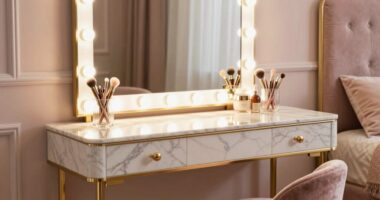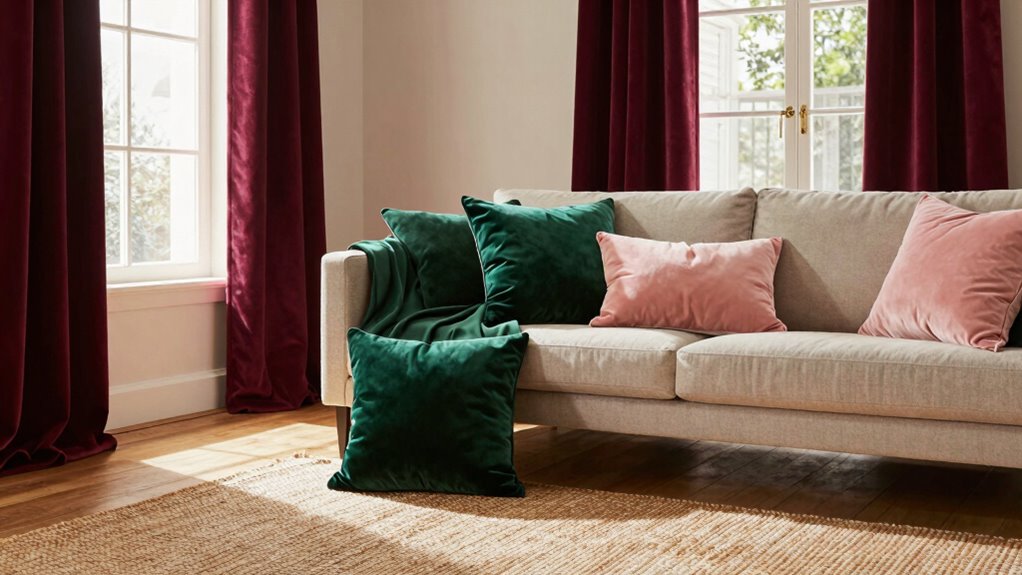

You can instantly change a room’s mood with the right textiles by playing with color, texture, and fiber types. Bright, vibrant fabrics energize the space, while softer, muted tones create calmness. Textures also influence feelings—smooth fabrics feel soothing, whereas textured or plush materials add coziness or excitement. The choice of natural fibers further enhances a relaxing or invigorating atmosphere. To discover how to perfect your space’s mood quickly, explore more about textile effects on environment and emotion.
Open a free Amazon Business account
Business pricing, bulk buying and tax-exempt orders.
As an affiliate, we earn on qualifying purchases.
Key Takeaways
- Bold, vibrant textiles quickly energize and brighten a space, boosting overall mood.
- Soft, muted fabrics create a calming atmosphere, promoting relaxation instantly.
- Textured fabrics add tactile interest that influences emotional comfort and ambiance.
- Natural fibers and earthy tones enhance tranquility and support well-being.
- Choosing textiles with appropriate colors and textures can swiftly transform a room’s emotional vibe.
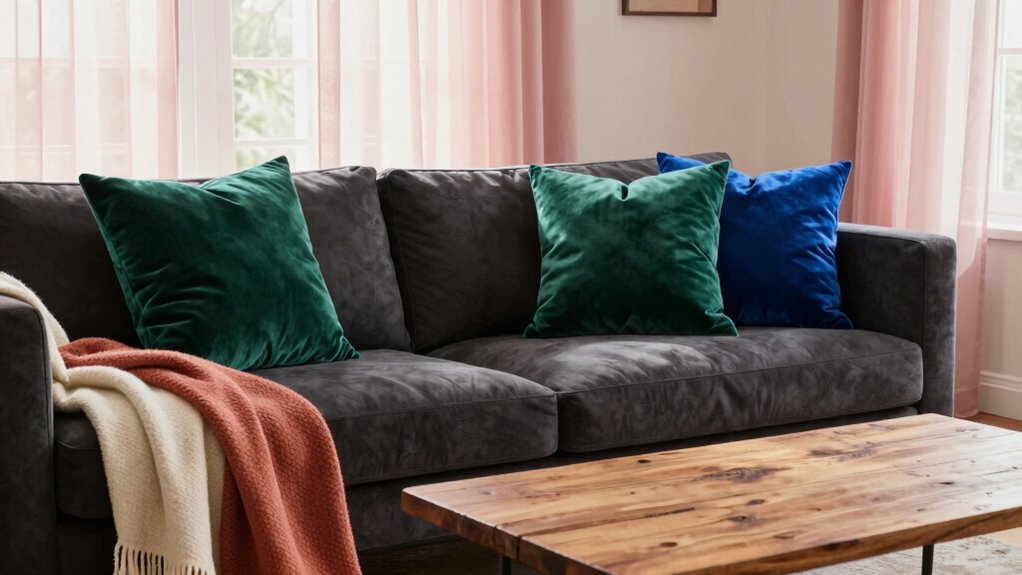
Have you ever noticed how the fabrics you wear or surround yourself with can influence your mood? It’s more than just a feeling—it’s a subconscious response driven by color psychology and texture influence. When you choose textiles thoughtfully, you can instantly alter the atmosphere of a room and how you feel in it. Bright, vibrant fabrics with bold colors tend to energize you, boosting your mood and creating a lively environment. Conversely, softer, muted tones can bring calmness and relaxation, making your space feel peaceful and inviting. This is because colors evoke emotional reactions—reds and oranges stimulate excitement, while blues and greens promote tranquility. Recognizing this connection allows you to use textiles as a quick mood booster or a calming retreat. Incorporating biophilic design elements like natural fibers and earthy colors can further enhance the calming effect of your space. Paying attention to color psychology when selecting textiles can help you tailor your environment to support your well-being. Additionally, understanding the impact of texture influence can help you choose fabrics that not only look good but also feel right for your desired mood. Exploring fiber types can also help you select textiles that naturally support specific atmospheres and emotional responses. Moreover, selecting textiles with air quality in mind can improve your overall comfort and well-being in the space.
As an affiliate, we earn on qualifying purchases.
Frequently Asked Questions
Can Textile Colors Influence Room Temperature Perception?
Yes, textile colors can influence your perception of room temperature through color psychology. Warm colors like reds, oranges, and yellows create a sense of visual warmth, making a space feel cozier and more inviting. Conversely, cool colors like blues and greens evoke a cooler atmosphere. By choosing textile colors intentionally, you can enhance the room’s mood and perceived temperature, making it feel warmer or cooler based on your desired ambiance.
Do Textured Textiles Improve Noise Reduction?
Textured textiles do improve noise reduction by enhancing sound absorption and acoustic insulation. Studies show that adding textured fabrics to walls or furnishings can cut noise levels by up to 50%. The uneven surfaces scatter sound waves, preventing echo and muffling background noise. By incorporating textured textiles, you create a more comfortable, quieter environment, making your space feel more inviting and peaceful instantly.
How Often Should Textiles Be Replaced for Mood Enhancement?
You should replace textiles for mood enhancement every 3 to 5 years, depending on interior durability and textile maintenance. Regularly assess their condition—look for fading, wear, or stains—and update when they start to look worn. Keeping textiles fresh and in good shape guarantees your space remains inviting and vibrant. Proper maintenance extends their life, but timely replacements refresh the mood and keep your room feeling lively and comfortable.
Are Natural Fibers Better for Creating a Calming Environment?
Coincidentally, choosing natural fibers often creates a calming environment because they’re eco-friendly textiles that promote tranquility. Natural fibers like cotton, linen, and wool are known for their fiber durability, making them long-lasting and sustainable options. They gently soften a space, enhancing relaxation without harshness. Their organic qualities help foster a peaceful atmosphere, making your room feel welcoming and serene, especially when compared to synthetic alternatives.
Can Seasonal Textiles Alter the Overall Ambiance?
Yes, seasonal textiles can considerably alter your room’s ambiance. A seasonal pattern, like floral for spring or cozy plaids for winter, instantly sets a different mood. Fabric thickness also plays a role; lightweight fabrics create an airy, fresh feel, while thicker textiles add warmth and intimacy. Switching these textiles according to seasons makes your space adaptable, inviting, and perfectly aligned with the changing atmosphere outside.
Conclusion
So, next time you want to instantly lift your mood or transform a space, consider adding new textiles. Whether it’s a cozy throw or colorful curtains, textiles can make a big difference in just moments. Did you know that studies show rooms with vibrant textiles can boost happiness levels by up to 30%? That’s pretty powerful—sometimes, all it takes is a simple swap to create a more cheerful, inviting environment.
Fall Picks
fall essentials
As an affiliate, we earn on qualifying purchases.