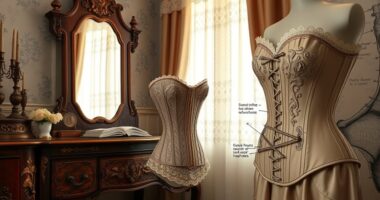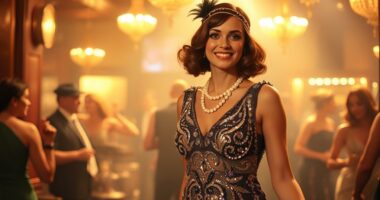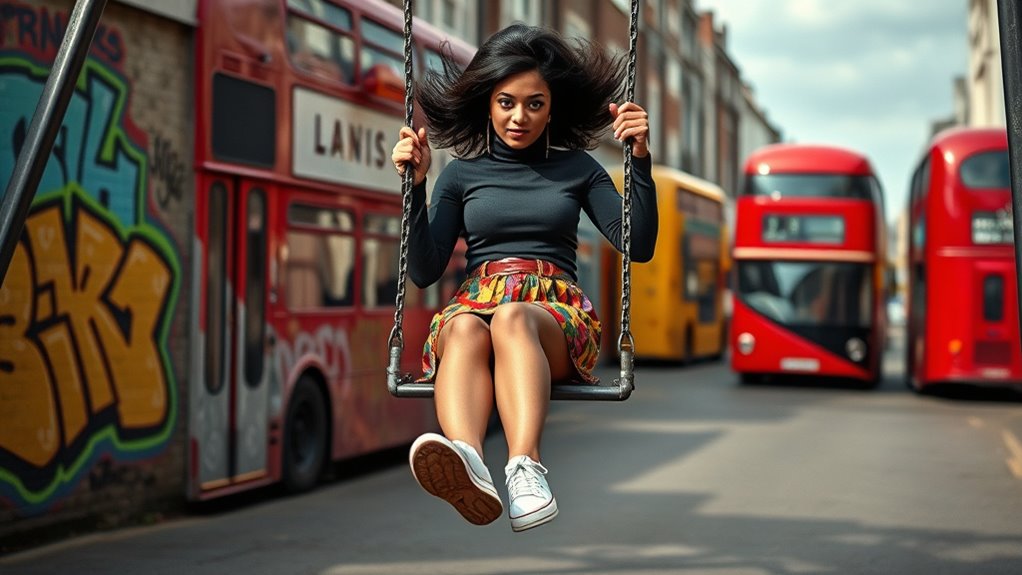

In Swinging London, mini skirts became a powerful symbol of youth rebellion and style, reflecting the era’s vibrant spirit. You’d see young people embracing bold fashion, inspired by jazz clubs that fostered creativity and individuality. The city’s energy encouraged breaking norms, blending fashion and music to forge a new cultural identity. If you keep exploring, you’ll discover how this dynamic movement transformed both fashion and society in profound ways.
Key Takeaways
- Mini skirts became a symbol of youth rebellion and modern fashion during Swinging London’s vibrant scene.
- Mod fashion, characterized by sleek designs and bold patterns, challenged traditional societal norms.
- Jazz clubs fostered a creative environment that inspired young people’s expressive style and attitude.
- The era’s music and fashion intertwined, emphasizing individuality and nonconformity among youth.
- Swinging London’s cultural revolution cemented mini skirts as iconic symbols of youthful defiance.

Have you ever wondered what made London in the 1960s such a vibrant cultural hub? It was a time when the city burst with energy, creativity, and a rebellious spirit that transformed its identity. Central to this movement was the rise of mod fashion, a bold and sleek style that signaled a break from traditional norms. You might have seen young people sporting tailored suits, mini skirts, and eye-catching accessories, all designed to stand out and make a statement. The mod scene wasn’t just about looks; it was a lifestyle that embraced modernity, music, and a desire to challenge the status quo. As you explore the streets of Swinging London, it’s impossible not to notice the influence of jazz clubs, which became the heartbeat of this cultural revolution. These venues weren’t just places to listen to music—they were gathering spots for youth keen to express themselves and push boundaries.
Jazz clubs in particular played an essential role in shaping the era’s vibe. They attracted a diverse crowd, from sharp-dressed mods to free-spirited artists, all seeking the thrill of live music and a sense of community. When you step into these clubs, you’re transported back to a time of improvisation and innovation. The soulful sounds of jazz, with their spontaneous solos and energetic rhythms, mirrored the rebellious energy of Swinging London. These clubs became incubators for new ideas, inspiring fashion, art, and attitudes that challenged traditional conventions. You could see young people dancing wildly, showcasing their individuality through their outfits, which often included brightly colored mini skirts, narrow ties, and bold patterns. It was a visual and musical revolution that reflected a desire to break free from the dullness of the past and embrace a more dynamic, expressive future.
In this environment, fashion and music intertwined seamlessly. Jazz clubs weren’t just about the music—they set the tone for how young people presented themselves. The sleek lines of mod fashion complemented the smooth, improvisational nature of jazz, creating a stylish, edgy look that became iconic. You’d notice the way mods accessorized with large sunglasses, cleancut hairstyles, and shiny shoes, all designed to stand out. This fusion of style and sound helped define Swinging London’s unique identity—an era marked by youthful rebellion, innovation, and a refusal to conform. The vibrant atmosphere was further amplified by the use of vintage decor, which added authenticity and charm to the venues and reflected the era’s aesthetic. As you reflect on that time, it’s clear that mod fashion and jazz clubs weren’t just trends—they were symbols of a generation enthusiastic to carve out its own identity amid a rapidly changing world.
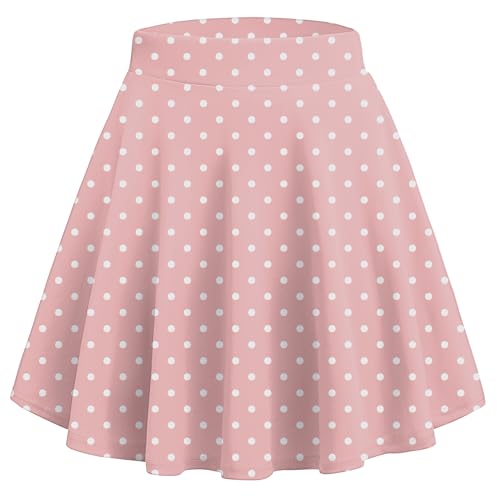
Zeagoo Party Club Skirt Ladies' Pleated Skirt High Waist Mini Polka Dot Skirts Stretchy Flared Skirts Casual Fashion Style Perfect for Carnival Party Club and School Girl Costumes
Stretch Fabric: There are no shorts under this skirt.White skirts can be see-through, so it's recommended to wear…
As an affiliate, we earn on qualifying purchases.
As an affiliate, we earn on qualifying purchases.
Frequently Asked Questions
How Did the Beatles Influence London Fashion Trends?
The Beatles greatly influenced London fashion trends by popularizing their distinctive style, including the iconic Abbey Road look. You might notice how Beatles fashion, with its slim suits and mop-top hairstyles, set a new standard for youthful, rebellious style. Their influence encouraged young people to experiment with bold, individual fashion choices, inspiring the broader Swinging London scene. By embracing their unique style, you can see how they reshaped fashion culture in London and beyond.
What Were the Key Venues for Youth Rebellion in Swinging London?
Your curiosity about youth rebellion leads you to key venues like street protests and underground clubs. These locations became lively landmarks of defiance, where young people gathered to voice their voices and challenge conventions. Streets sparked spontaneous protests, while underground clubs became clandestine centers of counterculture. You’d witness a vibrant vibe of essence and revolt, as these venues fueled the fierce freedom of Swinging London’s youth rebellion and defied societal norms.
How Did London’S Music Scene Impact Fashion Choices?
You see, London’s music scene, especially with the hippie movement and psychedelic bands, deeply influenced fashion choices. You’d wear vibrant, bold patterns and flowing fabrics to match the psychedelic fashion trend, expressing your individuality. Concerts and clubs became fashion hubs where you could experiment with colorful accessories and unique styles, making your look as rebellious and creative as the music itself. The scene encouraged freedom of expression through innovative fashion.
Were There Any International Influences on London’S Youth Culture?
Imagine vibrant streets where London’s youth mix with global fashion, creating a lively cultural exchange. International influences, like American jazz, French chic, and Indian textiles, seep into their style and attitudes. This global fashion blends seamlessly, shaping London’s youth culture and fueling rebellion. You see, London becomes a melting pot, where cross-cultural inspiration sparks new trends, making youth culture dynamic and internationally connected.
How Did Government Policies Shape the Swinging London Era?
You see, government policies greatly influenced the Swinging London era. Censorship limited certain expressions in music and fashion, pushing youth to find new ways to rebel. Urban development transformed the cityscape, creating vibrant neighborhoods that fostered creativity and social change. These policies encouraged young people to challenge authority, shaping a culture of innovation and individuality that became iconic in the 1960s.

JUSLINK White Retro Oval Sunglasses for Women Mod Thick Frame Sunglasses Round Lens Clout Oval Goggles White
Weight: 30g
As an affiliate, we earn on qualifying purchases.
As an affiliate, we earn on qualifying purchases.
Conclusion
As you step back into the world shaped by Swinging London, remember it wasn’t just about mini skirts or youthful rebellion—it was a bold call for change, echoing the restless spirit of the 1960s. Like Icarus daring to touch the sun, this era challenged norms and soared beyond boundaries. Embrace that daring within you, knowing that sometimes, it’s in breaking the mold that we find our true wings.
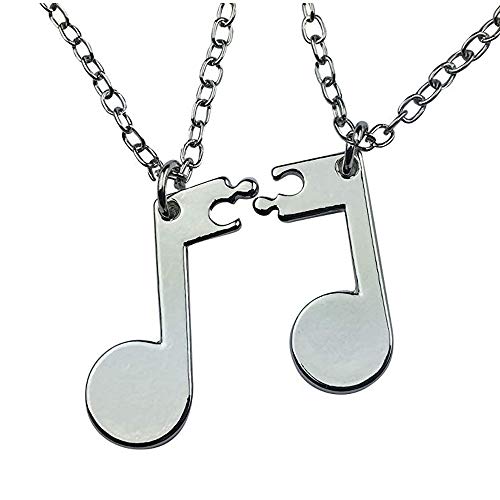
Art Attack BFF Music Note Necklace, Made from Brass & Silver Plated, Gift For Best Friends, Student Graduation, Jazz Rock Pop Marching Band Club
Made from Brass & Silver Plated
As an affiliate, we earn on qualifying purchases.
As an affiliate, we earn on qualifying purchases.

Boxer Vintage Retro Style 60s 70s Funny Dog Lover T-Shirt for Men Women Kids
Boxer dog vintage retro style 60s 70s. Wear this tee for those of you who love animals and…
As an affiliate, we earn on qualifying purchases.
As an affiliate, we earn on qualifying purchases.