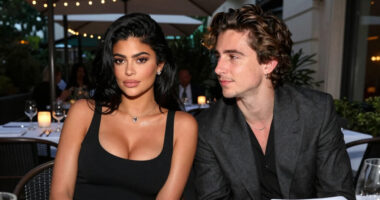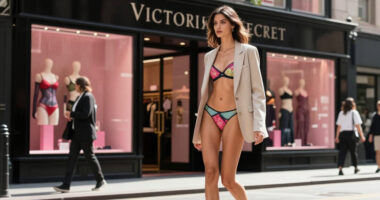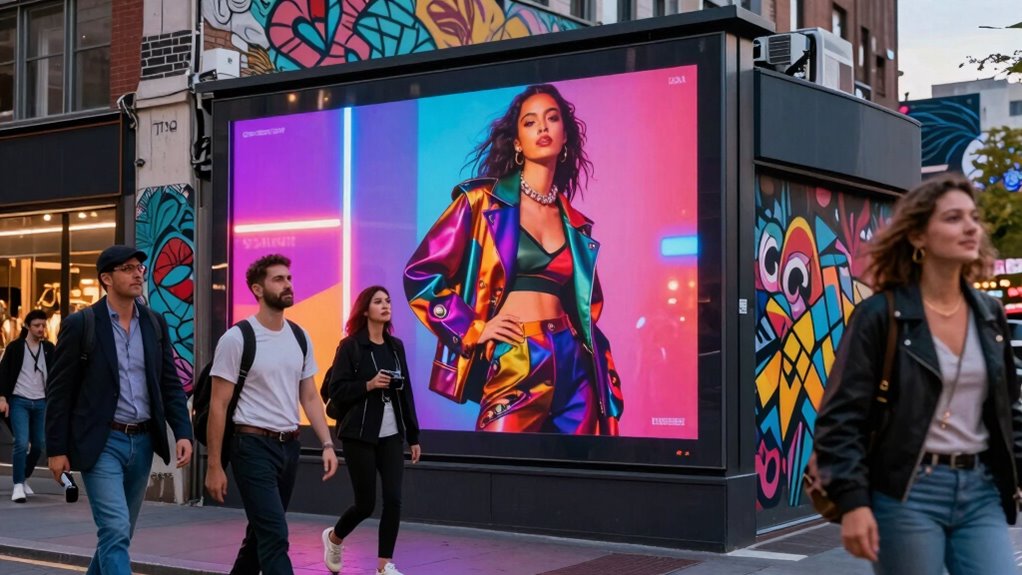

Fashion marketing blends with entertainment by using celebrities to boost desirability and creating emotional bonds through visual appearances and storytelling. Brands collaborate on limited-edition lines tied to movies or music, making collections more engaging. They craft sensational shows, use music videos, and leverage social media content to keep consumers hooked. This fusion promotes a lifestyle and experience beyond clothing. To discover how these strategies transform fashion into entertainment, keep exploring the trends shaping this dynamic connection.

Get your wardrobe favorites delivered free with Prime
- Fast, free delivery on millions of items
- Prime Video, Amazon Music and more included
- Member-only deals all year
Key Takeaways
- Celebrity endorsements transform fashion into entertainment, creating emotional appeal and aspirational connections.
- Collaborations and limited-edition collections use storytelling and behind-the-scenes content to generate buzz.
- Fashion shows, music videos, and social media campaigns integrate entertainment elements to engage audiences.
- Digital content strategies foster immersive, interactive experiences that deepen consumer engagement.
- Campaigns emphasize lifestyle, storytelling, and emotional bonds, blending fashion marketing with entertainment.
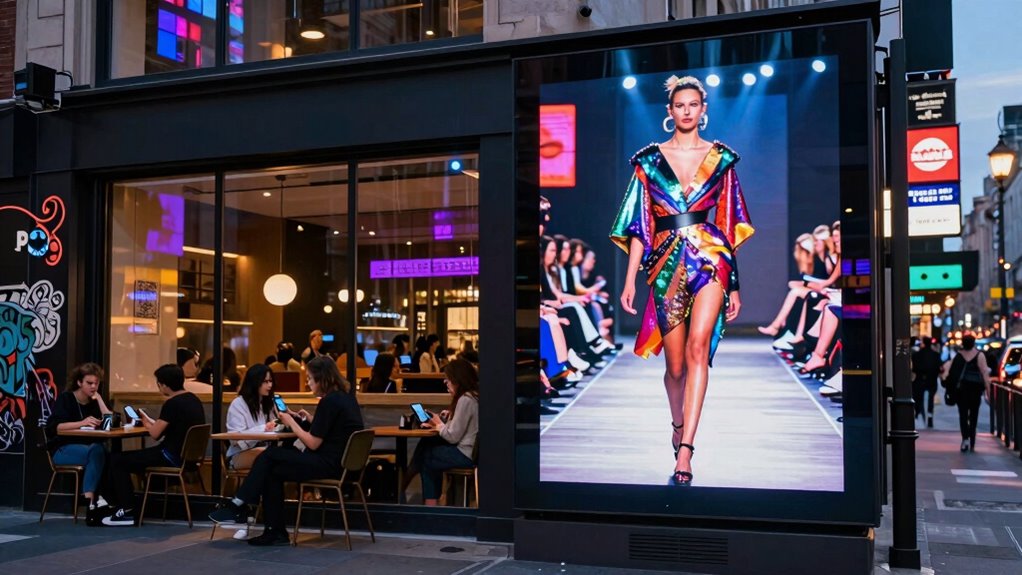
Have you ever wondered how fashion brands seamlessly blend marketing with entertainment to capture your attention? It’s a clever mix that keeps you engaged and enthusiastic to see what’s coming next. The secret lies in strategic celebrity endorsements and brand collaborations, which turn everyday fashion into a form of entertainment. When a famous actor, musician, or influencer is seen wearing a specific brand, it instantly elevates the label’s status and makes you more curious about its stories and products. These endorsements aren’t just about a celebrity showing up in a photo; they’re about creating an emotional connection that makes you want to emulate their style. You see a celebrity wearing a new collection, and suddenly, that look becomes more desirable because it’s associated with their star power. This tactic transforms a simple product into a piece of entertainment you’re excited to consume.
Celebrity endorsements turn fashion into entertainment, creating emotional connections and making styles more desirable through star power.
Brand collaborations take this idea even further by merging two worlds—fashion and entertainment—into a single, engaging narrative. When a fashion label partners with a well-known designer, artist, or pop culture icon, it creates buzz and anticipation. Think of limited-edition collections or capsule lines that are tied to movies, music festivals, or iconic personalities. These collaborations often come with behind-the-scenes stories, exclusive launches, and social media campaigns that keep you hooked. They’re not just about the clothes; they’re about the experience, the story, and the image that the collaboration projects. You’re encouraged to stay tuned, follow updates, and participate in the excitement, making the brand’s marketing feel more like entertainment than traditional advertising. Recognizing the importance of digital content strategies can enhance how brands craft these engaging narratives.
The blending of marketing and entertainment also extends into fashion shows, music videos, and social media content. Brands now craft campaigns that feel more like entertainment spectacles rather than straightforward advertisements. They use storytelling, humor, and cultural references to draw you in. When a celebrity wears a brand in a music video or at a major event, it becomes part of a broader entertainment narrative that you want to be a part of. This approach keeps you watching, sharing, and talking about the brand long after the initial reveal. Incorporating digital storytelling can further amplify this effect by creating more immersive and interactive experiences for consumers. Additionally, leveraging consumer engagement through interactive campaigns and social media can deepen the connection between brands and their audiences.
In essence, fashion marketing has become a dynamic fusion with entertainment, making every campaign a story worth following. Through celebrity endorsements and brand collaborations, brands don’t just sell clothing—they sell a lifestyle, a story, an experience. And that’s what keeps you engaged, coming back for more, and feeling connected to the brands that understand how to turn fashion into entertainment. Additionally, exploring emerging trends in digital publishing can help brands stay ahead in this evolving landscape.
Popular right now

Ninja CM401 Specialty Coffee Maker with 10-Cup Carafe and Fold-Away Frother

Ninja SP151 Flip Toaster Oven & Air Fryer, Stainless Steel

Roborock Qrevo S Pro Robot Vacuum and Mop with 18,500 Pa Suction
As an affiliate, we earn on qualifying purchases.
Frequently Asked Questions
How Do Brands Measure the Success of Entertainment-Driven Campaigns?
You measure the success of entertainment-driven campaigns by tracking audience engagement and brand awareness. You look at metrics like social media interactions, shares, comments, and video views to gauge how well your content resonates. Additionally, you analyze changes in brand awareness through surveys or online searches. When engagement spikes and brand recognition improves, you know your campaign effectively connects with your target audience and boosts your brand’s visibility.
What Are Ethical Considerations in Blending Fashion Marketing With Entertainment?
You should be mindful that blending fashion marketing with entertainment requires respecting consumer privacy and cultural sensitivity. Avoid invasive data collection and guarantee transparency to maintain trust. Be considerate of diverse cultural symbols and narratives, avoiding stereotypes or misappropriation. By prioritizing ethical practices, you foster genuine connections with audiences, showing respect and understanding. This approach not only upholds integrity but also enhances your brand’s reputation in an increasingly conscientious marketplace.
Social media influences fashion-entertainment collaborations by amplifying viral campaigns and celebrity endorsements. You see brands harness platforms like Instagram and TikTok to showcase collaborations quickly, reaching vast audiences. Celebrities promote products through engaging content, making collaborations more authentic and relatable. Viral campaigns generate buzz and excitement, encouraging followers to share and participate. This dynamic interaction accelerates the blending of fashion and entertainment, making campaigns more impactful and widespread.
What Role Do Influencers Play in This Hybrid Marketing Approach?
Influencers are like bridges connecting fashion brands to audiences, wielding immense influence. Their impact sparks brand partnerships that feel authentic and relatable, making marketing campaigns shimmer with genuine appeal. As they showcase products in real-life settings or entertainment moments, they amplify the hybrid approach, turning followers into brand ambassadors. Your role as an influencer fuels this seamless blend, transforming promotions into stories that resonate deeply, captivating audiences across both fashion and entertainment sectors.
How Are Emerging Technologies Shaping Future Fashion-Entertainment Marketing?
Emerging technologies like virtual runways and augmented reality are transforming your experience in fashion-entertainment marketing. You can now attend virtual runway shows from anywhere, engaging with brands in immersive ways. Augmented reality lets you virtually try on clothes and accessories, making shopping interactive and personalized. These innovations create exciting, seamless connections between fashion and entertainment, making your experience more engaging and accessible, and shaping the future of how brands connect with you.
Conclusion
You can see how fashion marketing and entertainment are blending seamlessly, creating exciting opportunities for brands and consumers alike. Did you know that 72% of consumers say they’re more likely to buy from a brand that feels personally relevant, often driven by entertainment-driven campaigns? This shows how powerful this fusion is—by tapping into entertainment, you can make your brand more engaging and memorable. Embrace this trend, and you’ll stay ahead in a rapidly evolving industry.