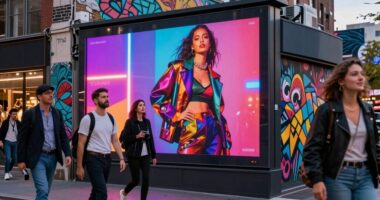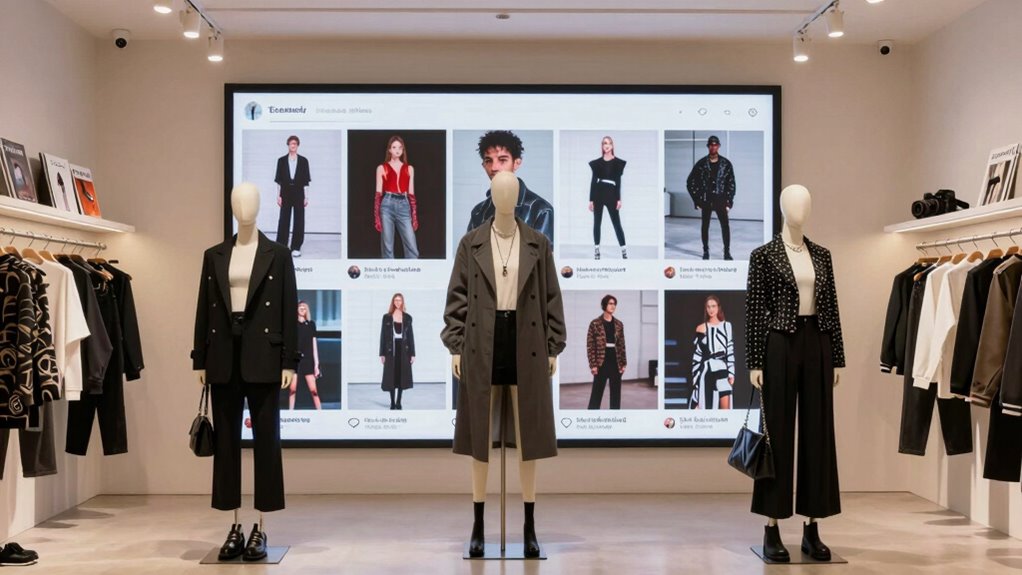

Fashion businesses think like media brands because they need to stay relevant and connect authentically with their audiences. They focus on creating diverse, high-quality content across multiple formats to tell compelling stories and build loyalty. Influencer collaborations and a media mindset help them stand out and adapt quickly to digital trends. By staying responsive and analyzing engagement, they can refine their approach. Keep exploring to discover how these strategies can transform your brand’s presence and impact.

Get your wardrobe favorites delivered free with Prime
- Fast, free delivery on millions of items
- Prime Video, Amazon Music and more included
- Member-only deals all year
Key Takeaways
- To engage audiences authentically, fashion brands need to produce diverse, high-quality content across multiple formats.
- Influencer collaborations help fashion brands reach new audiences and build credibility quickly.
- Consistent content and strong brand identity foster loyalty and position brands as trendsetters.
- Adopting a media mindset enables continuous innovation and adaptation to digital trends.
- Data-driven insights and responsiveness improve content relevance, increasing audience engagement and loyalty.
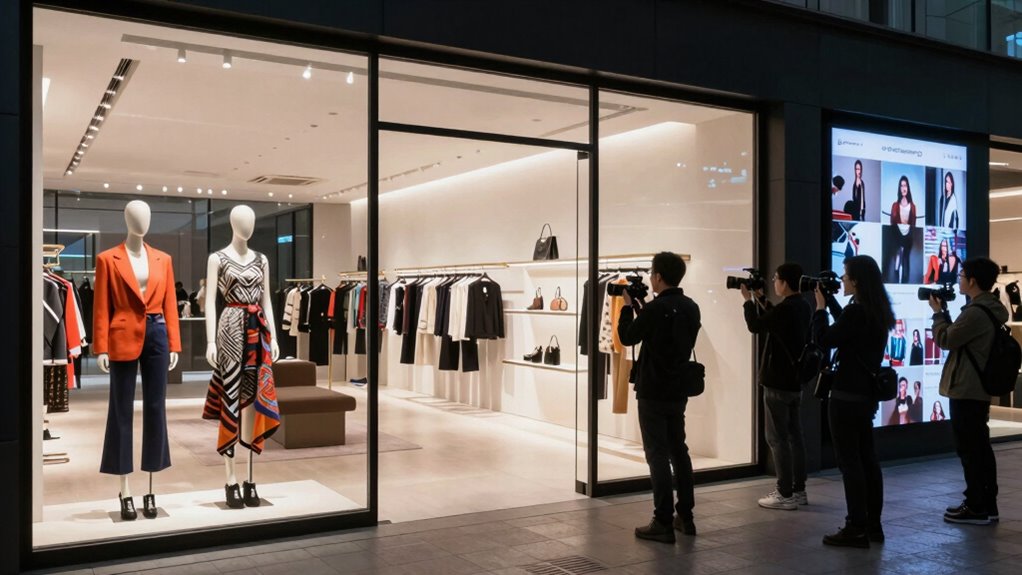
In today’s digital landscape, fashion businesses can no longer rely solely on traditional marketing or selling products; instead, they need to think like media brands. This shift means embracing content creation as a core part of your strategy, engaging your audience with authentic stories, visuals, and experiences that resonate deeply. Influencer collaborations have become essential here, as partnering with popular voices in your niche helps you reach new audiences and build credibility quickly. When you team up with influencers, you’re not just advertising — you’re co-creating content that feels genuine and relatable, which consumers trust more than traditional ads. These collaborations can take many forms: sponsored posts, unboxing videos, or behind-the-scenes glimpses that humanize your brand and foster loyalty.
Partnering with influencers creates authentic, relatable content that builds trust and humanizes your fashion brand.
But influencer partnerships are just the starting point. Content diversification plays an indispensable role in making your brand a media powerhouse. Instead of sticking to a single format, you need to produce a variety of content types—videos, blogs, social media posts, live streams, and even podcasts—to keep your audience engaged across different platforms. This approach helps you tell your brand story from multiple angles, catering to diverse preferences and consumption habits. For example, a behind-the-scenes video showing your design process can deepen customer connection, while style guides or trend reports position you as an authority in fashion. By diversifying your content, you prevent your messaging from becoming stale or repetitive, ensuring your followers stay interested and invested. Additionally, understanding your regional flavors and unique cultural insights can help tailor your content to resonate more authentically with diverse audiences. Incorporating content formats that align with your brand’s personality also enhances engagement and brand recall. Leveraging insights from the evolving digital landscape can further refine your content strategy for better outreach.
Thinking like a media brand also means prioritizing consistency and quality. You want your audience to see your content as valuable and worth engaging with regularly. This requires a strategic content calendar, clear brand voice, and high-quality visuals that reflect your brand’s personality. When you produce compelling content that aligns with your brand identity, you build a loyal community that perceives you as more than just a retailer—you become a trusted source of inspiration and information. Staying attuned to your audience’s feedback and preferences enables you to refine your approach and remain relevant in a competitive landscape. Embracing a media-centric approach encourages continuous innovation and adaptation, helping your brand stay ahead of trends and consumer expectations. As the digital landscape evolves, exploring new content techniques can also make your brand stand out and stay fresh in consumers’ minds.
Finally, embracing this media mindset means being responsive and interactive. Pay attention to what your followers share and comment on, and adapt your content to meet their interests. Use analytics to track engagement and refine your approach continuously. By integrating influencer collaborations and content diversification into your overall strategy, you position your fashion brand not just as a seller of clothes but as a dynamic media entity that educates, entertains, and inspires. This evolution ultimately helps you stay relevant in an ever-changing digital world and turn your audience into lifelong supporters.
fashion influencer collaboration tools
As an affiliate, we earn on qualifying purchases.
As an affiliate, we earn on qualifying purchases.
Frequently Asked Questions
How Can Small Fashion Brands Effectively Emulate Media Branding Strategies?
You can effectively emulate media branding strategies by focusing on influencer collaborations and content diversification. Partner with influencers to boost your brand’s credibility and reach new audiences. Create diverse content—such as videos, behind-the-scenes looks, and user-generated posts—to keep your audience engaged and showcase your brand’s personality. Consistently sharing compelling, varied content helps you build a strong online presence, much like a media brand, and fosters deeper customer connections.
What Are the Risks of Adopting Media-Like Content Approaches in Fashion?
Sure, immerse yourself in content saturation and watch your brand authenticity get lost in the noise. You risk turning your brand into just another scroll-stopping, influencer-packed feed, where genuine connection takes a backseat. Overdoing media-like content can dilute your message, confuse your audience, and make your brand seem insincere. So, while chasing trends, remember: too much of a good thing can make your brand look desperate rather than desirable.
How Do Fashion Brands Measure Success as Media Entities?
You measure success as a media entity through metrics like engagement rates, follower growth, and brand visibility. Influencer collaborations boost credibility and reach, while content diversification keeps your audience engaged and loyal. By analyzing data from social media platforms and website traffic, you can see what resonates with your audience. When your content consistently drives interactions and increases brand awareness, you know you’re effectively functioning as a media brand.
What Tools Are Essential for Fashion Brands to Produce Media Content?
You need crucial tools like a content management system (CMS) and photo/video editing software to produce compelling media content. With 70% of consumers valuing authentic brand storytelling, these tools help shape your content strategy effectively. Social media platforms are also essential, enabling you to share stories widely. Together, they ensure your content resonates, engages, and builds a strong brand narrative that captures your audience’s attention and loyalty.
How Does Audience Engagement Differ Between Media Brands and Fashion Brands?
You notice that audience engagement in media brands centers on building loyalty through consistent content, while fashion brands often focus on visual appeal. To boost engagement, you should prioritize content diversity, offering various formats that keep your audience interested. By nurturing audience loyalty, you guarantee viewers stay connected and invested, which ultimately enhances your brand’s influence and growth. This approach helps your fashion business connect more deeply with your audience.
Conclusion
If you don’t start thinking like a media brand, you’re risking becoming irrelevant in a world obsessed with instant connection and endless content. Imagine your fashion business lost in a sea of noise, forgotten faster than yesterday’s trend. To stand out, you need to be everywhere—your stories, your voice, your vibe. Embrace the media mindset now, or watch your brand fade into the background like yesterday’s fashion flash. The choice is yours—lead or be left behind.
Halloween Picks
halloween
As an affiliate, we earn on qualifying purchases.