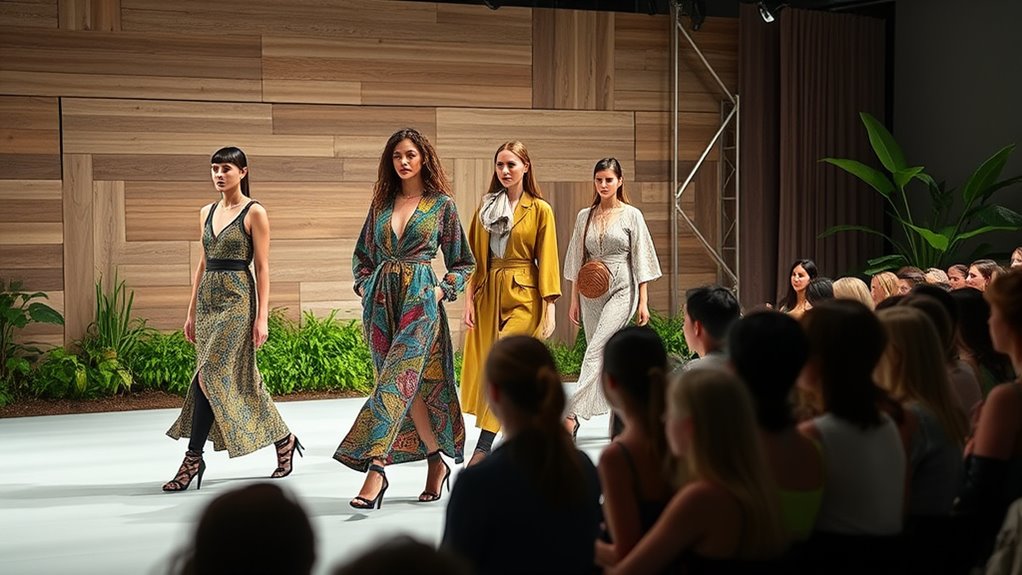

To host a zero-waste fashion show, focus on sourcing sustainable fabrics like organic cotton, hemp, or recycled textiles, and partner with designers who prioritize eco-friendly practices. Use innovative design techniques like zero-waste patterning and repurposing fabric scraps to minimize waste. Highlight the story behind each piece and educate your audience on sustainable fashion practices. If you want detailed tips on creating impact with eco-conscious choices, there’s more to discover below.

Get your wardrobe favorites delivered free — and shop member deals
- Fast, free delivery on millions of items
- Access to Prime Big Deal Days deals on October 6–7
- Prime Video, Amazon Music and more included
Key Takeaways
- Collaborate with eco-conscious designers using sustainable fabrics like organic cotton, hemp, or recycled textiles.
- Incorporate zero-waste pattern making and repurpose fabric scraps into accessories to minimize waste.
- Share the stories behind each piece, emphasizing sustainable materials and ethical production practices.
- Educate attendees through workshops, demonstrations, or informational stations on sustainable fashion practices.
- Promote waste reduction throughout the event, encouraging conscious consumption and industry shifts toward sustainability.
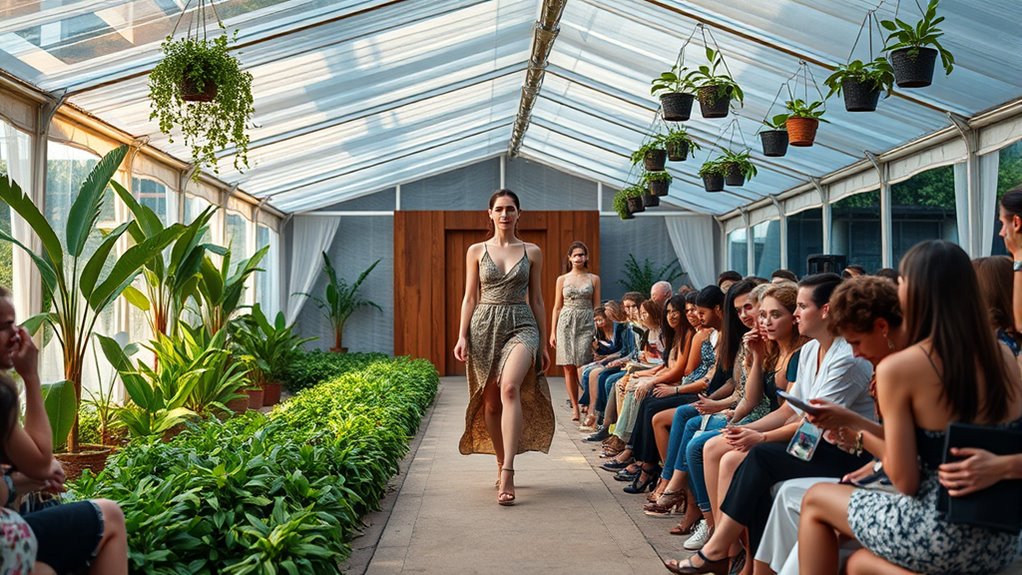
Hosting a zero-waste fashion show is an exciting way to showcase sustainable style while minimizing environmental impact. To make it truly impactful, focus on sourcing sustainable materials for your designs. Opt for fabrics like organic cotton, hemp, Tencel, or recycled textiles, which reduce waste and lessen the ecological footprint. Using sustainable materials not only aligns with your zero-waste goals but also demonstrates your commitment to eco-conscious fashion. As you plan, contemplate collaborating with designers who prioritize sustainability; their expertise can help you create innovative looks that minimize waste during production. Designer collaborations are invaluable because they bring fresh perspectives and specialized knowledge about eco-friendly techniques, which can elevate your show’s message and aesthetic. Building partnerships with like-minded designers allows you to pool resources, share innovative ideas, and showcase diverse sustainable styles, making your event more dynamic and inspiring.
When selecting garments, aim for designs that are versatile, timeless, and made to last. Avoid fast fashion trends that encourage waste and opt for pieces that can be styled in multiple ways, encouraging your audience to think differently about consumption. Incorporate zero-waste pattern making techniques—such as pattern cutting that leaves little to no fabric waste—or repurpose scraps into accessories or embellishments. These practices not only reduce waste but also highlight craftsmanship and ingenuity, which your audience will appreciate. During the show, emphasize the story behind each piece, especially the sustainable materials used and the collaborative effort involved. Sharing these stories personalizes the experience, inspiring your viewers to consider their own fashion choices. Additionally, considering educational components such as workshops or demonstrations can further promote awareness of sustainable practices in fashion.
Furthermore, consider the entire lifecycle of your garments by promoting repair, reuse, and recycling. Set up stations where attendees can learn about caring for sustainable clothing or even upcycling old garments into new pieces. Incorporating sustainable materials and designer collaborations into your show creates a compelling narrative around eco-conscious fashion, encouraging more conscious consumption. Make sure your event highlights the importance of reducing waste at every stage—design, production, and post-show—so that your message resonates deeply. Ultimately, hosting a zero-waste fashion show isn’t just about showcasing beautiful clothes but about advocating for a shift in the industry toward more sustainable practices, inspiring both designers and consumers to think differently about fashion’s environmental impact.
organic cotton fabric for clothing
As an affiliate, we earn on qualifying purchases.
As an affiliate, we earn on qualifying purchases.
Frequently Asked Questions
How Do I Find Sustainable Models for My Show?
To find sustainable models for your show, start by reaching out to agencies that prioritize model diversity and ethical sourcing. Look for models passionate about sustainability and who represent diverse backgrounds, reflecting your show’s values. Use social media and eco-focused platforms to connect with eco-conscious models. Collaborate with local organizations promoting ethical practices to discover fresh talent committed to sustainable fashion, ensuring your show highlights inclusivity and responsibility.
What Are Budget-Friendly Zero-Waste Fashion Show Ideas?
You can save money by organizing upcycling workshops where attendees transform old clothes into new designs. Set up DIY garment stations, encouraging guests to create their own zero-waste fashion pieces. Use donated or recycled materials to cut costs and promote sustainability. These interactive ideas not only keep your event budget-friendly but also engage your audience, making your zero-waste fashion show both impactful and affordable.
How Can I Promote My Zero-Waste Fashion Event Effectively?
To promote your zero-waste fashion event effectively, leverage social media by sharing engaging content and behind-the-scenes glimpses. Reach out to influencers who align with sustainability to amplify your message and attract a broader audience. Use targeted hashtags and local community groups to increase visibility. Encourage attendees to share their experiences, creating a buzz that spreads organically. This approach helps build excitement and highlights your commitment to eco-friendly fashion.
What Legal Considerations Exist for Hosting Eco-Friendly Fashion Shows?
Imagine a delicate dance of safeguards, where your creative ideas sparkle without shadows. You need to navigate legal considerations like intellectual property rights to protect your designs and guarantee originality. Additionally, you must honor contractual obligations with models, venues, and sponsors to keep the show smooth and compliant. By understanding these legal aspects, you can host an eco-friendly fashion event confidently, showcasing innovation while respecting legal boundaries.
How Do I Measure the Environmental Impact of My Show?
You can measure your show’s environmental impact by calculating its carbon footprint and conducting a waste audit. Start by tracking energy use, transportation, and materials to estimate emissions. Perform a waste audit to identify the amount and types of waste generated. These steps give you clear data on your show’s sustainability, helping you make improvements and promote transparency with your audience.
Conclusion
As you step onto the runway of sustainability, remember that your show isn’t just a display—it’s a ripple in the ocean of change. By hosting a zero-waste fashion show, you’re planting seeds for a greener future, one stylish step at a time. Let your creativity be the breeze that carries this movement forward, inspiring others to join the tide. Together, you’re not just showcasing fashion—you’re rewriting the story of what’s possible.
Fall Picks
fall essentials
As an affiliate, we earn on qualifying purchases.