
To make eco habits stick during your 30-day closet challenge, start with a wardrobe audit to identify sustainable pieces you already own. Gradually replace synthetic fabrics with organic or recycled options while supporting ethical brands. Focus on extending your clothes’ lifespan through repairs, thrift shopping, and mindful buying. Small, consistent steps like these add up over time. Keep exploring simple ways to make your wardrobe more eco-friendly, and you’ll build lasting habits that benefit the planet.

Get your wardrobe favorites delivered free — and shop member deals
- Fast, free delivery on millions of items
- Access to Prime Big Deal Days deals on October 6–7
- Prime Video, Amazon Music and more included
Key Takeaways
- Start with a wardrobe audit to identify and replace synthetic fabrics with sustainable, eco-friendly options gradually.
- Incorporate natural, biodegradable fabrics into new purchases and support brands committed to transparency and ethical practices.
- Extend clothing lifespan by repairing, repurposing, or swapping clothes instead of discarding, reducing fast fashion waste.
- Focus on small, consistent changes like replacing one synthetic piece each week and developing mindful shopping habits.
- Support sustainable brands and develop eco-conscious routines to create lasting habits that reinforce a green wardrobe.
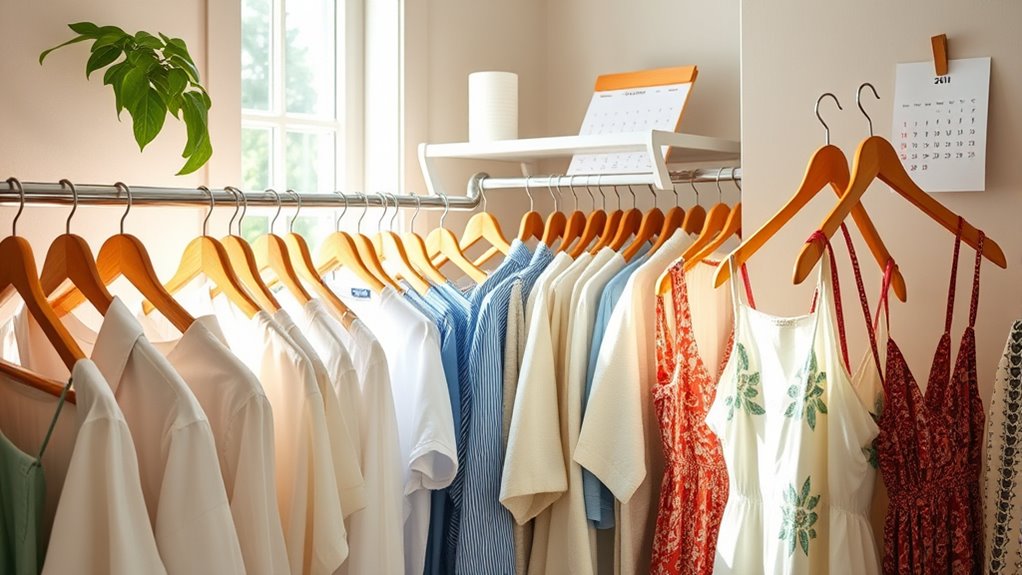
Adopting eco-friendly habits can feel overwhelming, but small, consistent changes make a big difference over time. One effective way to start is by focusing on your wardrobe and embracing sustainable fashion. This means choosing clothes made from eco friendly fabrics, which are grown or produced with minimal environmental impact. When you shop, look for brands that prioritize transparency and use natural, biodegradable, or recycled materials. Over the next 30 days, challenge yourself to incorporate more of these sustainable options into your closet. Begin by auditing what you already own—identify pieces that are durable, versatile, and made from eco friendly fabrics. Swapping out synthetic fibers like polyester for organic cotton, hemp, or Tencel helps reduce your carbon footprint and supports better land management.
Start your eco-friendly wardrobe by swapping synthetic fibers for natural, sustainable fabrics like organic cotton and hemp.
As you build your eco-conscious wardrobe, consider the lifecycle of your clothes. Opt for quality over quantity, so your pieces last longer and don’t contribute to fast fashion waste. Repair or repurpose clothing whenever possible instead of discarding items after a few wears. When buying new, prioritize secondhand stores or clothing swaps, which extend the life of garments and cut down on demand for new production. This mindset shift not only benefits the planet but also encourages you to develop a more thoughtful approach to fashion.
Throughout your 30-day closet challenge, pay attention to where your clothes are sourced. Support brands committed to sustainable fashion practices, such as those using eco friendly fabrics and ethical manufacturing processes. These companies often focus on reducing water use, minimizing chemical dyes, and ensuring fair labor conditions. By making intentional choices, you reinforce your commitment to sustainability and set a positive example for others around you.
Incorporating eco-friendly fabrics into your wardrobe doesn’t require a complete overhaul overnight. Small steps like replacing one synthetic piece with a sustainable alternative or choosing natural fibers for new purchases can add up. Over time, you’ll find that your closet becomes more aligned with your values, and your habits become second nature. Remember, asset division is a key factor in many aspects of life, including sustainable living, as it encourages careful planning and thoughtful resource management. Each conscious decision—whether it’s buying less, choosing better materials, or repairing clothes—contributes to a larger shift toward sustainable fashion. With patience and dedication, you’ll find that eco habits in your wardrobe not only support the environment but also help you develop a more mindful relationship with your clothes.
As an affiliate, we earn on qualifying purchases.
Frequently Asked Questions
How Do I Stay Motivated During the 30-Day Challenge?
To stay motivated during the 30-day challenge, focus on mindset strategies like celebrating small wins and visualizing your eco-friendly goals. Find accountability partners who encourage you and share your commitment, making it easier to stay on track. Remind yourself of why you started and track your progress daily. This combination keeps your energy high, boosts your commitment, and helps you develop lasting eco habits.
What Are Eco-Friendly Alternatives for Common Clothing Items?
Think of your wardrobe as a garden—you want it thriving, not just surviving. Swap fast fashion for sustainable fabric choices like organic cotton, hemp, or Tencel. Use eco-friendly laundry practices such as cold water washes and air drying to extend your clothes’ lifespan. These simple changes make a big difference, helping you reduce waste and stay eco-conscious while still enjoying stylish, comfortable clothing.
How Can I Involve Family or Friends in the Challenge?
You can involve family and friends by encouraging family collaboration and seeking friend support. Share your challenge goals and invite them to join you, making it a fun group activity. Plan weekly check-ins to motivate each other and celebrate progress. You might even organize eco-friendly wardrobe swaps or challenge competitions. This not only keeps you accountable but also strengthens your relationships while making sustainable habits more enjoyable and achievable.
Are There Specific Brands That Support Sustainable Fashion?
Think of sustainable brands as the gentle rivers flowing toward a greener future. You’ll find many that support eco-conscious packaging and engage in sustainable brand collaborations, making your wardrobe a beacon of change. Look for brands like Patagonia, Everlane, and Tentree, which prioritize transparency and eco-friendly practices. By choosing these, you support a world where fashion and sustainability walk hand-in-hand, turning your closet into a statement of care.
What Should I Do With Clothes I No Longer Wear?
You should donate clothes you no longer wear to local charities or donation options like shelters or thrift stores, giving them a second life. If they’re too worn out, explore recycling methods such as textile recycling programs or eco-friendly recycling centers. This helps reduce waste and supports sustainable fashion. By actively choosing donation options or recycling methods, you contribute to a more eco-friendly wardrobe and minimize your environmental impact.
Conclusion
Think of your closet as a garden. With each eco habit you plant—like mindful shopping or reducing waste—you nurture a thriving, sustainable space. Over 30 days, these habits grow stronger, blooming into a beautiful eco-friendly landscape you’re proud of. Just like a garden, it takes care and patience, but the results are worth it. Keep tending to your habits, and watch your sustainable closet flourish long after the challenge ends.
Evergreen bestsellers Picks
bestsellers
As an affiliate, we earn on qualifying purchases.