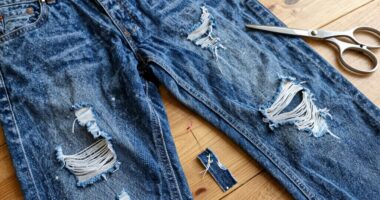
To effectively test your DIY fashion idea before committing, start with fabric swatch testing to evaluate how fabrics behave when cut, sewn, and washed. Create style mock-ups using inexpensive scraps to check fit and overall look. These steps help you identify issues early, refine your design, and avoid wasting resources on full-scale projects. Keep experimenting with these methods to make sure your final product matches your vision and fits perfectly—more tips are just ahead.
Play games included with Prime
Start a Prime free trial and play with Amazon Luna on your devices.
As an affiliate, we earn on qualifying purchases.
Key Takeaways
- Create fabric swatches to evaluate texture, durability, and how fabrics respond to washing and dyeing.
- Develop style mock-ups using inexpensive or scrap fabric to test fit, proportions, and design details.
- Combine swatch testing with mock-ups early to identify and fix issues before full-scale production.
- Use mock-ups to refine patterns, improve fit, and visualize the final look.
- Conduct thorough testing upfront to prevent costly mistakes and ensure the design aligns with your vision.
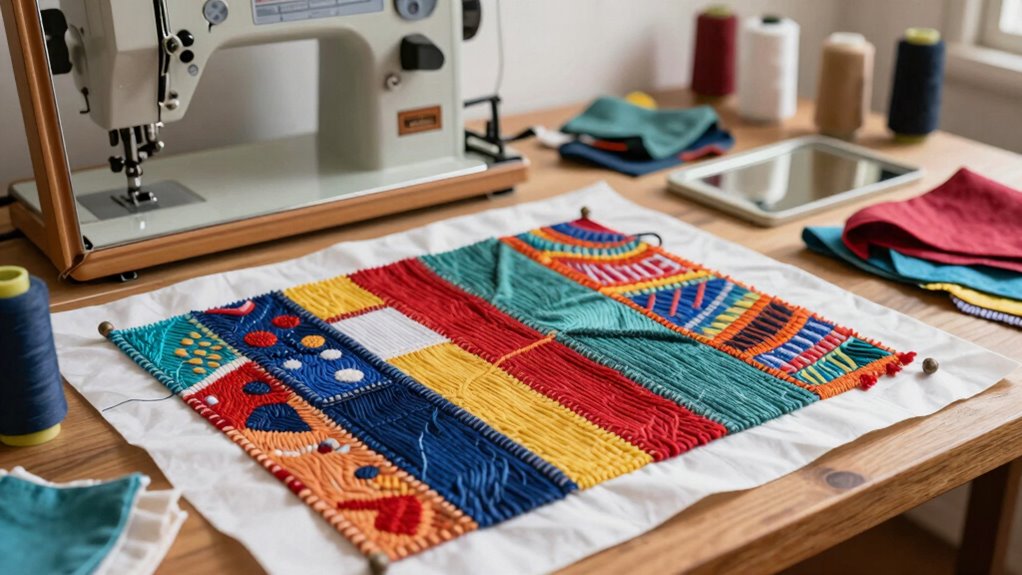
Trying out a new DIY fashion idea can be exciting, but jumping in without testing it first might lead to regrets or wasted resources. The key to success is to see how your idea works in practice before fully committing. One of the best ways to do this is through fabric swatch testing and creating style mock-ups. These steps help you visualize the final product, identify potential issues, and make adjustments early on. Additionally, testing how fabrics respond to different treatments can prevent surprises in the finished piece. Fabric swatch testing is an essential first step. Instead of rushing into buying large quantities of fabric, you gather small samples that match your chosen material. You can find swatches at fabric stores or order them online. Once you have your samples, you test how they behave when cut, sewn, and washed. This gives you insight into their durability, drape, stretch, and how they handle dye or treatments. If the fabric doesn’t hold up or doesn’t look right after testing, you save yourself from investing in a costly mistake. It’s better to discover these issues early rather than after completing a large piece.
Test your fashion ideas first with fabric swatches and mock-ups to avoid costly mistakes and refine your design.
Alongside fabric swatch testing, creating style mock-ups is a practical way to see how your design translates into real life. Use inexpensive or scrap fabric to make a rough version of your garment. This mock-up allows you to check the fit, proportions, and overall look without wasting time or money on the final fabric. It’s a chance to experiment with different design details—like pockets, seams, or hemlines—and see how they work together. By trying out your ideas in a mock-up, you can identify adjustments that improve comfort or aesthetic appeal before starting the actual project. This process also helps develop your pattern-making skills, which are crucial for creating well-fitting garments.
These methods also help you refine your pattern-making skills. As you create mock-ups, you notice how certain elements fit or how fabric behaves during construction. This process minimizes mistakes during the real sewing, saving you frustration and fabric. When you combine fabric swatch testing with style mock-ups, you’re effectively troubleshooting your design, ensuring it aligns with your vision and practical needs. Conducting proper testing early in the process ensures a more successful and satisfying DIY fashion project.
As an affiliate, we earn on qualifying purchases.
Frequently Asked Questions
How Can I Ensure My DIY Fabric Choice Is Durable?
To guarantee your DIY fabric choice is durable, focus on fabric longevity and material resilience. Test samples by washing and wearing them to see how they hold up over time. Look for tightly woven fabrics and those with a higher thread count, as they tend to be more resilient. Additionally, choose natural fibers like cotton or wool, which generally offer better durability than synthetic alternatives.
What Tools Are Essential for Testing a Fashion Idea at Home?
Did you know 85% of DIY fashion projects succeed when you start with proper testing? To test your idea at home, you need basic tools like a fabric swatch, scissors, and a sewing machine or needle and thread. Use these for material selection and try out trend analysis by creating small prototypes. This hands-on approach helps you refine your design, ensuring it’s both stylish and durable before fully committing.
How Do I Predict How the Item Will Look on Different Body Types?
You can predict how your DIY fashion item will look on different body types by studying body shape and using fit simulation tools. Measure your target body shapes accurately, then use virtual try-on software or sketches to visualize how the design adapts. Adjust the pattern or style based on these simulations, helping you refine the fit and guarantee your creation looks great on various figures before making a final version.
Can I Test a DIY Fashion Idea Without Sewing Skills?
Start with simple material experimentation—use fabric scraps, glue, or no-sew methods to try out your ideas. You don’t need sewing skills; instead, focus on style versatility by playing with shapes and layers. This approach lets you test your fashion fantasies without commitment, helping you see how your design ideas translate into real-world wearability. It’s a fun, fuss-free way to bring your creative concepts to life!
How Long Should I Prototype Before Finalizing My Design?
You should prototype your design until you’re confident in its material flexibility and color accuracy, typically around 2-4 iterations. Test different fabrics, adjust sewing techniques, and compare colors to guarantee your final piece matches your vision. Don’t rush—allow enough time to refine details, ensuring the material moves well and the color stays true. This process helps you avoid costly mistakes and creates a more polished final product.
Conclusion
Just like Da Vinci sketched his visions before bringing them to life, testing your DIY fashion idea guarantees you don’t paint outside the lines. It’s your moment to refine, to perfect, to feel confident in your creation. Remember, every great designer starts with a small step—so don’t rush the process. Embrace the journey, learn from it, and let your unique style shine through, just as an artist’s masterpiece begins with a single, thoughtful stroke.
Fall yard work Picks
leaf blowers
As an affiliate, we earn on qualifying purchases.