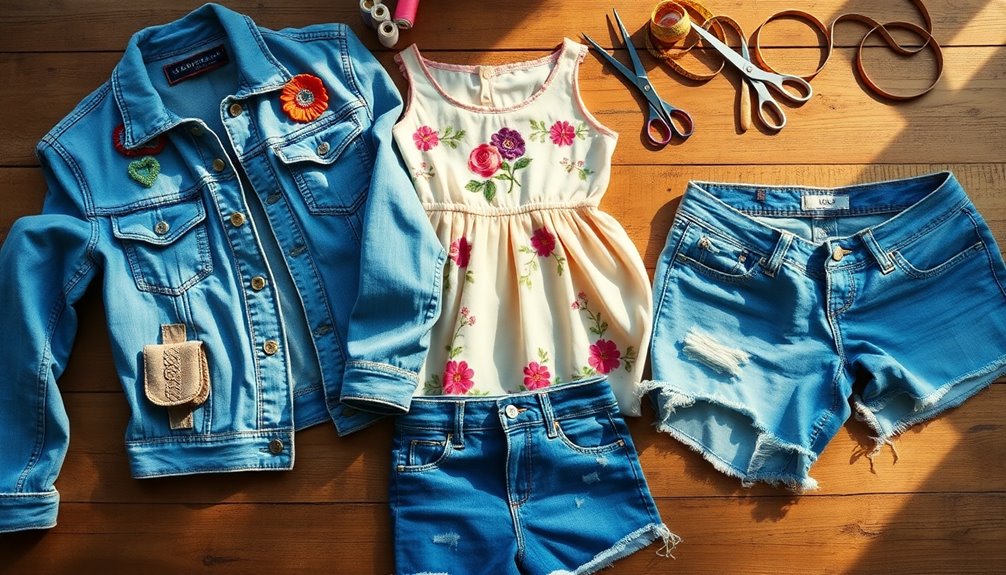
Choosing the right fabrics for diy fashion projects can be challenging, especially with so many options available. The best overall pick for versatile, easy-to-work-with fabric is MasterFAB Cotton Poplin, known for its durability and print quality. For budget-friendly choices, Cotton Polyester Broadcloth offers a smooth finish at a lower price point, while 7pcs Cotton Sewing Fabrics provides great variety for small projects. Each fabric type presents tradeoffs: some are more affordable but less breathable, others are more durable but pricier. Continue reading for a detailed breakdown of these fabrics and what makes each one stand out.

Get your wardrobe favorites delivered free — and shop member deals
- Fast, free delivery on millions of items
- Access to Prime Big Deal Days deals on October 6–7
- Prime Video, Amazon Music and more included
Key Takeaways
- Cotton fabrics dominate for their breathability and ease of sewing, making them a go-to for most diy fashion projects.
- Pre-cut packs like the 50-piece bundle offer convenience and variety but might lack the consistency of yardage fabrics.
- Fabrics with printed patterns, such as floral cottons, can add distinctive style but often come at a higher price or with limited stretch.
- Satin fabrics are best for special occasion garments due to their shiny finish, but they can be tricky to handle for beginners.
- Price and size options vary widely; larger yardage fabrics provide more flexibility, while smaller squares are ideal for patchwork or small accessories.
| Cotton Polyester Broadcloth Fabric 57″ Wide by The Yard, Pink |  | Best Versatile Fabric for Lightwear and Home Projects | Width: 57 inches | Material: 80% polyester, 20% cotton | Yardage options: 1, 2, 3, or 5 yards | VIEW ON AMAZON | See Our Full Breakdown |
| Cotton Fabric by The Yard for Sewing and Crafting, 36 x 43 inches | 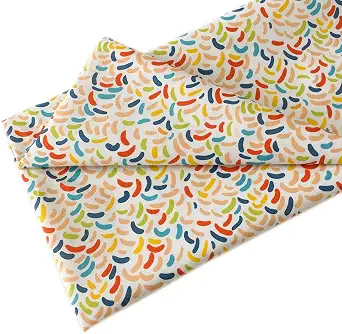 | Best Eco-Friendly Cotton for Small-Scale Projects | Material: 100% cotton | Size: 36 x 43 inches | Pieces: 1 piece | VIEW ON AMAZON | See Our Full Breakdown |
| MasterFAB Cotton Fabric by the Yard for Sewing and Crafting, Printed Floral Design, 39 x 55 inches |  | Best Choice for Floral Designs and Detailed Costumes | Material: 100% combed cotton | Weight: 110g/m² | Size: 39 x 55 inches | VIEW ON AMAZON | See Our Full Breakdown |
| 7pcs Cotton Sewing Fabrics, 20 x 20 inches, Roses |  | Best for Quilting and Multi-Pattern Crafting Sets | Quantity: 7 pieces | Size: 20 x 20 inches | Material: 100% cotton | VIEW ON AMAZON | See Our Full Breakdown |
| 42 Pieces 10×10 Inch Quilting Cotton Fabric Squares – Multi-Color Floral Print |  | Best Bulk Pack for Quilting and Colorful Crafting | Quantity: 42 pieces | Size: 10×10 inches | Material: 100% cotton | VIEW ON AMAZON | See Our Full Breakdown |
| 57.48″ Wide Floral Printed Cotton Fabric by the Yard for Sewing and Crafting, Pink Roses Pattern |  | Best Overall for Versatile DIY Floral Fabric | Width: 57.48 inches | Material: Cotton blend | Pattern: Pink Roses floral print | VIEW ON AMAZON | See Our Full Breakdown |
| Aubliss 50pcs 100% Cotton Fabric Bundle 10″ x 10″ PreCut Fat Squares Sheets |  | Best Value for Quilters and Small Scale Crafts | Size: 10″ x 10″ | Material: 100% cotton | Number of pieces: 50 | VIEW ON AMAZON | See Our Full Breakdown |
| MasterFAB 100% Cotton Poplin Fabric by the Yard – Floral Print, Washable, 39 x 55 inches |  | Best for Fashion and Light Crafting | Material: 100% Cotton | Weight: 95g/m² | Size: 39 x 55 inches | VIEW ON AMAZON | See Our Full Breakdown |
| 15 Pcs 8×10 Inch Satin Fabric Squares in 15 Colors |  | Best for Colorful Accents and Small Accessories | Quantity: 15 pieces | Size: 8 x 10 inches | Material: Polyester satin | VIEW ON AMAZON | See Our Full Breakdown |
| 1 Yard 63″ Wide Black Satin Fabric for Wedding, Decoration, Party, Fashion, DIY Crafts | 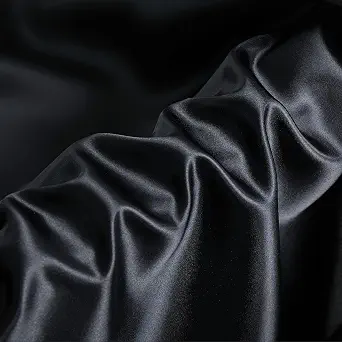 | Best for Elegant Decor and Occasion Wear | Fabric Material: 100% polyester | Width: 63 inches | Length: 1 yard | VIEW ON AMAZON | See Our Full Breakdown |
| fabrics for diy fashion | Material | Size |
|---|---|---|
| Cotton Polyester Broadcloth Fa | 80% polyester, 20% cotton | — |
| Cotton Fabric by The Yard for | 100% cotton | 36 x 43 inches |
| MasterFAB Cotton Fabric by the | 100% combed cotton | 39 x 55 inches |
| 7pcs Cotton Sewing Fabrics | 100% cotton | 20 x 20 inches |
| 42 Pieces 10×10 Inch Quilting | 100% cotton | 10×10 inches |
| 57.48" Wide Floral Printed Cot | Cotton blend | — |
| Aubliss 50pcs 100% Cotton Fabr | 100% cotton | 10" x 10" |
| MasterFAB 100% Cotton Poplin F | 100% Cotton | 39 x 55 inches |
| 15 Pcs 8×10 Inch Satin Fabric | Polyester satin | 8 x 10 inches |
| 1 Yard 63" Wide Black Satin Fa | — | — |
More Details on Our Top Picks
Cotton Polyester Broadcloth Fabric 57″ Wide by The Yard, Pink
This broadcloth blends 80% polyester with 20% cotton, making it more durable and wrinkle-resistant than 100% cotton options like the Cotton Fabric by The Yard. It offers a smooth drape and lightweight feel, ideal for garments, home décor, and DIY projects where ease of care is a priority. Compared to heavier fabrics, this broadcloth is less suitable for structured or heavy-duty items, but excels in projects needing a soft, breathable material. Its availability in multiple yardage options supports larger or multiple projects, though precut pieces can pose challenges for seamless larger designs. Overall, this fabric is best suited for crafters who want a lightweight, easy-to-maintain material for apparel or décor.
Pros:- Soft, lightweight, and breathable for comfort
- Durable and wrinkle-resistant, reducing ironing time
- Versatile for apparel, décor, and DIY projects
- Available in multiple yardage options for larger projects
Cons:- Precut pieces may not be continuous for large projects
- Not suitable for heavy-duty applications like upholstery
Best for: Beginners and hobbyists creating lightweight garments or home décor with minimal seam handling.
Not ideal for: Crafters needing heavy-duty or upholstery fabrics, as this is too lightweight and less durable.
- Width:57 inches
- Material:80% polyester, 20% cotton
- Yardage options:1, 2, 3, or 5 yards
- Color:Pink
Our verdict“This broadcloth is perfect for those seeking a lightweight, easy-care fabric for casual apparel and décor projects.”
Cotton Fabric by The Yard for Sewing and Crafting, 36 x 43 inches
This 100% cotton fabric is pre-cut into a manageable 36 x 43-inch piece, making it ideal for those who prefer ready-to-use fabric without the need for piecing larger sections, unlike the MasterFAB Printed Floral Cotton. Its eco-friendly nature, breathability, and quick-drying qualities make it suitable for kids’ clothing, costumes, and craft projects. However, the single-piece size limits its use for large projects requiring continuous fabric, and purchasing multiple pieces can result in mismatched edges. Its soft texture and machine washability contribute to ease of care, but the fixed size restricts flexibility for larger or more complex projects. This pick is best for small projects or beginner sewists who value eco-friendliness and convenience.
Pros:- High-quality, eco-friendly cotton
- Pre-cut and ready to use, saving prep time
- Soft, breathable, and quick-drying
- Machine washable and safe for children
Cons:- Limited to a single, non-continuous piece
- Size may be restrictive for big projects
Best for: Parents and crafters seeking eco-friendly, small-scale fabric for kids’ clothes, accessories, or decorations.
Not ideal for: Large-scale projects or upholstery work needing continuous fabric pieces, due to its limited size.
- Material:100% cotton
- Size:36 x 43 inches
- Pieces:1 piece
- Features:Eco-friendly, breathable, quick-drying
Our verdict“Ideal for small, eco-conscious projects, especially for beginners or kids’ clothing, where convenience matters most.”
MasterFAB Cotton Fabric by the Yard for Sewing and Crafting, Printed Floral Design, 39 x 55 inches
This 100% combed cotton fabric stands out with its vibrant crimson floral print on a black background, making it well-suited for detailed costumes, quilting, and decorative DIY projects. Its high-quality, soft texture offers a more refined feel compared to the basic broadcloth or standard cottons. Compared with the 7pcs Cotton Squares, this larger piece provides a continuous surface for more complex patterns or larger projects, although it’s limited to a single pattern per piece. Its breathable, eco-friendly fabric is easy to clean and dries quickly, but the pattern repeat may limit design options for larger projects. This fabric is best for those who want a high-quality, patterned cotton with a bit more sophistication.
Pros:- High-quality, soft, and breathable cotton
- Vibrant floral pattern on a durable fabric
- Eco-friendly and easy to clean
- Pre-cut size simplifies project planning
Cons:- Limited to a single pattern per piece
- Fabric not continuous if multiple pieces are purchased
Best for: Seamstresses and costume makers who need a large, patterned fabric for detailed or matching projects.
Not ideal for: Projects requiring multiple patterns or very large pieces, due to pattern repeat limitations and size constraints.
- Material:100% combed cotton
- Weight:110g/m²
- Size:39 x 55 inches
- Pattern:Crimson floral on black
Our verdict“This fabric suits detailed costume and craft projects needing a high-quality, patterned cotton with a refined look.”
7pcs Cotton Sewing Fabrics, 20 x 20 inches, Roses
This set of seven 20 x 20-inch cotton squares provides a variety of floral, plaid, polka dot, and geometric patterns, making it a flexible choice for quilters and craft enthusiasts. Compared to the larger 42-piece set of 10×10 squares, this collection offers more pattern diversity in smaller sizes, ideal for patchwork or small projects. The high-quality cotton is durable, washable, and fade-resistant, ensuring longevity after multiple washes. However, the fixed size limits its use for large projects or garments requiring larger fabric sections, and the pattern selection may not match every aesthetic preference. This set is best for those starting out with quilting or seeking a colorful variety for small crafts.
Pros:- Vibrant, diverse patterns suitable for many crafts
- Pre-cut squares simplify sewing and patchwork
- High-quality, durable, and washable cotton
- Fade and wrinkle-resistant after multiple washes
Cons:- Limited to 7 pieces, not enough for big projects
- Fixed size at 20 x 20 inches, less versatile for large or custom dimensions
Best for: Beginner quilters and crafters who want a variety of small, ready-to-sew cotton pieces with multiple patterns.
Not ideal for: Large projects or clothing that needs continuous or larger fabric sections, due to the small square size.
- Quantity:7 pieces
- Size:20 x 20 inches
- Material:100% cotton
- Pattern Types:flowers, plaid, polka dots, geometric
Our verdict“This fabric set is excellent for small quilting projects or colorful craft experiments, especially for beginners or those needing variety.”
42 Pieces 10×10 Inch Quilting Cotton Fabric Squares – Multi-Color Floral Print
This set offers 42 pre-cut 10×10-inch cotton squares in six lively floral colors, making it perfect for quilt projects, patchwork, and vibrant DIY crafts. Compared to the smaller 7-piece set, this provides a larger quantity of consistent size squares, ideal for assembling larger quilts or detailed patchwork. The high-quality, breathable cotton ensures ease of sewing and durability over time. However, the absence of detailed fabric weight or thread count information means I can’t determine the fabric’s thickness or drape precisely, which could influence project choices. The color shades may vary slightly between batches, so color matching for large projects could be a concern. This set is best for experienced quilters or crafters needing multiple colorful squares for large or complex projects.
Pros:- Bright, multi-color floral patterns for vibrant projects
- Pre-cut for easy, consistent sewing
- High-quality, breathable cotton
- Great value for large quilting projects
Cons:- Limited to 42 pieces, not enough for very large projects
- No detailed info on fabric weight or thickness
Best for: Experienced quilters or large-scale crafters who need a variety of colorful, pre-cut squares for detailed patchwork or quilt making.
Not ideal for: Projects requiring continuous fabric pieces or very specific fabric weights, due to limited technical details.
- Quantity:42 pieces
- Size:10×10 inches
- Material:100% cotton
- Pattern:Floral
Our verdict“This bundle is perfect for quilters or large patchwork projects that benefit from a wide array of colorful, pre-cut squares.”
57.48″ Wide Floral Printed Cotton Fabric by the Yard for Sewing and Crafting, Pink Roses Pattern
This fabric stands out for its vibrant floral prints and soft, breathable texture, making it ideal for a range of DIY projects from clothing to home decor. Compared with the MasterFAB floral poplin, it offers richer, high-definition prints that add visual impact. Its durability and fade-resistance ensure projects stay looking fresh after multiple washes, though the pattern’s alignment across pieces might pose a challenge for seamless designs. The pre-cut lengths simplify planning but limit customization. Overall, this fabric offers a compelling mix of quality and convenience for those seeking reliable floral cotton for various crafts.
Pros:- Vibrant, high-definition floral prints that elevate craft projects
- Soft, breathable, and skin-friendly fabric for comfortable garments
- Fade-resistant and durable through multiple washes
- Pre-cut for straightforward DIY use
Cons:- Limited to specific yard lengths, reducing customization options
- Pattern matching across pieces may be inconsistent
Best for: DIYers creating clothing, home textiles, or craft projects who want vibrant, durable floral fabric with minimal fuss.
Not ideal for: Seamstresses needing continuous yardage for large or seamless projects, as the pre-cut options may be restrictive.
- Width:57.48 inches
- Material:Cotton blend
- Pattern:Pink Roses floral print
- Length options:1, 3, or 5 yards
- Colorfastness:Fade-resistant
- Washability:Washable
Our verdict“This fabric suits DIYers who prioritize vibrant floral aesthetics and easy handling over seamless pattern matching.”
Aubliss 50pcs 100% Cotton Fabric Bundle 10″ x 10″ PreCut Fat Squares Sheets
This bundle offers 50 pre-cut 10″ x 10″ squares of cotton fabric, making it a cost-effective choice for quilting, patchwork, and small craft projects. Compared with the MasterFAB floral poplin, it provides a variety of floral designs in a handy square format, ideal for patchwork but less suited for large garments. The pre-cut squares facilitate quick assembly but come with slight deviations at raw edges, which might require trimming for precision. The fabric’s softness and breathability ensure comfort and ease of sewing, especially for beginners or those working on multiple small projects.
Pros:- Affordable bundle of 50 high-quality cotton squares
- Pre-cut for quick assembly and quilting
- Variety of floral designs adds visual interest
- Soft, breathable fabric suitable for many crafts
Cons:- Raw edges may have slight deviations, requiring trimming
- Limited to small square pieces, not ideal for garments needing continuous fabric
Best for: Beginner quilters or crafters who want a versatile, affordable fabric pack for quilting or small projects.
Not ideal for: Crafters needing large continuous pieces or sewing projects requiring precise edge alignment, as hand trimming may introduce inconsistencies.
- Size:10″ x 10″
- Material:100% cotton
- Number of pieces:50
- Brand:Aubliss
Our verdict“This set is perfect for quilters and small craft enthusiasts seeking value and variety in cotton fabric squares.”
MasterFAB 100% Cotton Poplin Fabric by the Yard – Floral Print, Washable, 39 x 55 inches
This floral poplin fabric offers a smooth, lightweight surface with a classic cotton feel, making it suitable for clothing, accessories, and light crafts. Compared to the cotton blend floral fabric, it is more refined and has a crisp drape, ideal for tailored projects. Its washable and breathable nature supports frequent use, though its limited yardage—39 x 55 inches—restricts larger projects or continuous designs. The lightweight construction means it may not support heavy-duty applications, but it’s perfect for refined garments or smaller decorative pieces that benefit from its smooth finish and vibrant print.
Pros:- High-quality, crisp cotton poplin with vibrant floral print
- Lightweight, breathable, and easy to sew
- Washable and quick-drying for convenience
- Suitable for tailored garments and accessories
Cons:- Pre-cut yardage limits project size and continuity
- Lightweight may not support heavy or structured items
Best for: Fashion hobbyists and dressmakers who need lightweight, high-quality fabric for apparel or small accessories.
Not ideal for: Heavy-duty projects or large-scale home textiles, since the fabric’s light weight and limited yardage constrain such uses.
- Material:100% Cotton
- Weight:95g/m²
- Size:39 x 55 inches
- Type:Poplin Fabric
- Design:Floral Print
- Features:Washable, breathable, quick-drying
Our verdict“This fabric is best suited for those focused on refined, lightweight fashion or small decorative projects requiring crisp cotton poplin.”
15 Pcs 8×10 Inch Satin Fabric Squares in 15 Colors
This set of satin fabric squares excels in adding a glossy, colorful touch to small projects like accessories, decorations, or craft accents. Compared to the floral cotton options, the satin’s silky surface offers a luxurious sheen that elevates craft aesthetics. Its soft, durable polyester construction makes it easy to handle and trim, though edges may fray slightly due to cutting and require careful finishing. Not recommended for heavy-duty or wash-intensive projects, but perfect for decorative applications and vibrant accents where appearance is key.
Pros:- Vibrant, diverse color palette with 15 shades
- Soft, shiny polyester satin adds luxury to crafts
- Lightweight and easy to trim or customize
- Suitable for decorative or accent pieces
Cons:- Edges may not be as clean due to cutting; fraying possible
- Not ideal for projects that need frequent washing or durability
Best for: DIY enthusiasts creating shiny accessories, embellishments, or decorative crafts that benefit from vibrant colors and silky texture.
Not ideal for: Projects requiring durability or frequent washing, since care instructions emphasize gentle handling and air drying.
- Quantity:15 pieces
- Size:8 x 10 inches
- Material:Polyester satin
- Color options:15
Our verdict“This satin square set is perfect for adding colorful, glossy details to decorative or accessory projects that don’t require heavy wear or washing.”
1 Yard 63″ Wide Black Satin Fabric for Wedding, Decoration, Party, Fashion, DIY Crafts
This 63-inch wide polyester satin fabric provides a glossy, smooth surface ideal for elegant wedding or party decorations, as well as fashion accents. Compared with the satin squares, this larger piece offers more versatility for draping, larger decor elements, or dressmaking. Its lightweight, soft texture with a good drape makes it easy to work with, though edges may contain visible thread ends due to cutting. Limited to a single yard, which restricts large-scale projects or splicing, but it excels at creating sleek, shiny accents or small garments with a luxurious finish.
Pros:- Soft, lightweight, and glossy satin surface
- Versatile for decor, dressmaking, and small DIY crafts
- Easy to clean and maintain
- Good drape for elegant designs
Cons:- Edges may have loose thread ends due to cutting
- Limited to 1 yard, reducing large project possibilities
Best for: Event decorators and fashion DIYers looking for a single yard of elegant, glossy fabric for small to medium projects.
Not ideal for: Heavy or large-scale projects requiring continuous fabric, as the single-yard limit and cut edges may pose challenges.
- Fabric Material:100% polyester
- Width:63 inches
- Length:1 yard
- Color:Black
- Care Instructions:Wash in warm water, hang dry
Our verdict“This satin fabric is a fitting choice for small, elegant projects needing a glossy finish and easy handling, especially for occasions or accents.”

How We Picked
The fabrics in this roundup were selected based on their suitability for diy fashion, considering factors such as fabric quality, versatility, price, and ease of use. We prioritized fabrics that are widely available and user-friendly for both beginners and experienced crafters. Durability, print clarity, and how well each fabric handles multiple washes also influenced rankings. The goal was to identify options that balance value and performance, helping makers achieve professional-looking results without excessive costs or complexity.Factors to Consider When Choosing Fabrics For Diy Fashion
When choosing fabrics for diy fashion, it’s important to consider several key factors that influence both the process and the final look of your projects. The right fabric can simplify sewing, improve comfort, and ensure your garments last. Avoid common mistakes such as selecting fabrics that are too stiff for your project or incompatible with your skill level. Understanding these factors will help you make smarter choices and get better results with less frustration.Fabric Type and Suitability
Not all fabrics are created equal for diy fashion. Cotton is popular for its breathability and ease of sewing, making it ideal for casual wear and beginner projects. Polyester blends are more durable and wrinkle-resistant but may lack the natural feel of cotton. Satin and silk fabrics lend a luxurious look but can be difficult to handle for novices. Matching the fabric type to your project goals ensures better results and easier construction.
Price and Quantity
Deciding how much fabric to buy depends on your project scope and budget. Larger yardage provides flexibility for multiple garments or larger designs, often at a lower cost per yard. Pre-cut squares and bundles are convenient for smaller projects like patchwork or accessories but tend to be more expensive per piece. Be mindful of waste—buying more fabric than necessary can lead to unused remnants that clutter your workspace.
Prints and Colors
Fabric prints and colors significantly influence the style and versatility of your finished items. Solid colors are easier to coordinate and adapt, while printed fabrics like florals or patterns add personality but may limit pairing options. Printed fabrics can also affect pricing and the complexity of cutting, especially if the pattern has a directional design. Consider your project’s aesthetic and how the fabric’s design fits your vision.
Fabric Care and Maintenance
Understanding how fabrics respond to washing and handling is essential, especially for garments meant to last. Cotton and polyester blends are generally easy to care for, washing well and maintaining shape. Satin and delicate fabrics require gentle handling and specific cleaning instructions, which may add to your project’s maintenance. Selecting fabrics that match your willingness to care for them will save you frustration later.
Handling and Sewing Ease
Some fabrics are more forgiving than others when it comes to sewing. Cotton and linen tend to be beginner-friendly, forgiving to pin and sew, and less prone to slipping. Fabrics like satin or silk can be slippery and challenging to cut and sew accurately, requiring special techniques or tools. Knowing your skill level and choosing fabrics that match your comfort zone can make your diy projects more enjoyable and successful.
Frequently Asked Questions
Can I use polyester fabrics for all types of diy fashion projects?
Polyester fabrics are versatile and durable, making them suitable for many projects like dresses, skirts, and accessories. However, they lack breathability, which can make them uncomfortable for everyday wear in warm climates. Additionally, polyester can be more challenging to sew because it tends to slip during cutting and stitching. For projects requiring natural feel and breathability, cotton or linen might be better options, but for structured or decorative items, polyester can be a practical choice.
Are pre-cut fabric squares a good choice for beginner sewists?
Pre-cut fabric squares are an excellent option for beginners because they simplify fabric selection and reduce waste. They are especially useful for small projects like quilting, patchwork, or accessories. However, pre-cut packs often have less variety in fabric quality and may limit creative flexibility if you want specific patterns or textures. Additionally, they can be more expensive per piece, so balancing convenience with budget is key.
What should I consider when choosing fabric for a sewing project that involves multiple washes?
For projects that will be washed frequently, opt for fabrics that hold their shape, color, and texture well after multiple washes. Cotton and polyester blends tend to be stable and easy to care for, making them ideal for everyday wear. Avoid delicate fabrics like satin or silk unless they are specifically treated for durability. Checking the fabric care instructions before purchasing helps prevent shrinkage or damage over time.
Is it better to buy fabric by the yard or in bundles for diy fashion?
Buying fabric by the yard provides maximum flexibility and is generally more cost-effective for larger projects. It allows you to select specific fabrics and quantities tailored to your needs. Bundles or pre-cut packs are convenient for small projects, scrap quilting, or experimentation, but they often come at a higher price per unit. Consider your project scope and budget to decide which option best fits your needs.
How do I choose the right fabric weight for my diy clothing project?
Fabric weight impacts the drape, structure, and comfort of your garment. Light-weight fabrics, like chiffon or voile, are excellent for airy blouses or dresses but may require lining or careful handling. Medium-weight fabrics, such as cotton poplin or denim, are versatile for shirts, skirts, or casual wear. Heavy fabrics like canvas or upholstery-grade textiles are better suited for structured pieces or accessories. Matching fabric weight to your project’s intended use ensures a better fit and finish.
Conclusion
The best overall choice for versatile diy fashion projects is MasterFAB Cotton Poplin, thanks to its balance of durability, ease of sewing, and print quality. Budget-conscious crafters should consider Cotton Polyester Broadcloth for its affordability and smooth finish, while those seeking a wide variety of small pieces might prefer 7pcs Cotton Sewing Fabrics. Beginners aiming for forgiving, easy-to-handle fabrics will find cotton options most suitable, whereas experienced makers looking for a touch of luxury may opt for satin or silk. Ultimately, selecting the right fabric depends on your skill level, project type, and personal style preferences—use this guide to match your needs with the best options available.
As an affiliate, we earn on qualifying purchases.Fall Picks
fall essentials