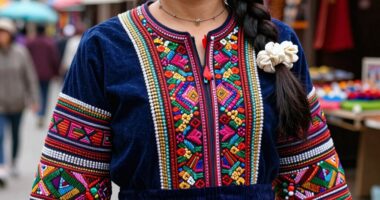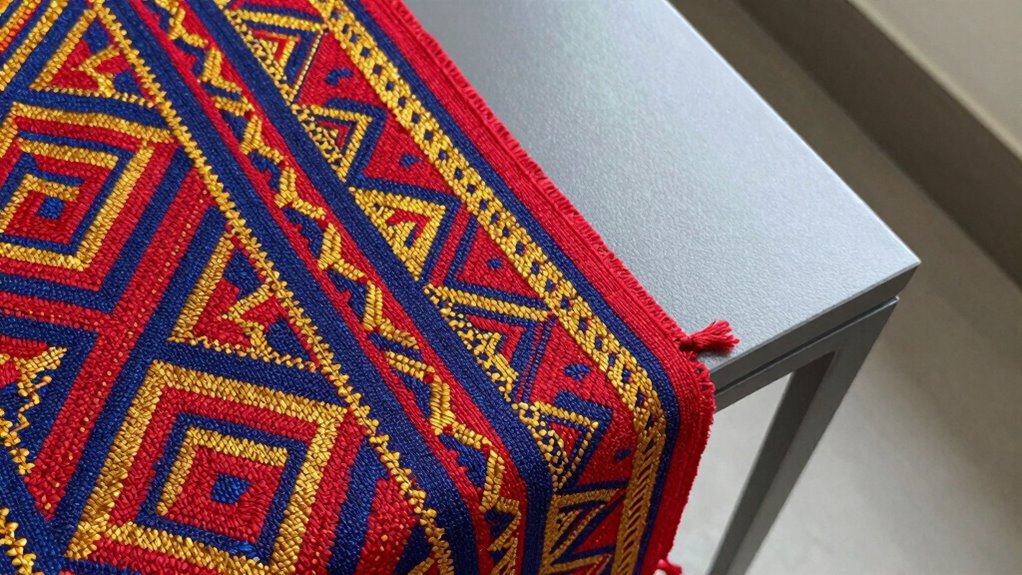

Traditional textiles influence modern design by weaving cultural stories, symbols, and craftsmanship into contemporary pieces. You see this in fashion, home decor, and art, where ancient techniques like hand-looming, embroidery, and natural dyeing add authenticity and depth. These textiles evoke emotion, preserve heritage, and bridge past and present. By incorporating traditional motifs, designers create meaningful, innovative works that honor their origins. Keep exploring to discover how these timeless textiles continue shaping today’s creative world.
Listen free for 30 days with Audible
Thousands of audiobooks and originals — cancel anytime.
As an affiliate, we earn on qualifying purchases.
Key Takeaways
- Traditional textiles introduce cultural symbolism and storytelling, enriching modern designs with deeper meaning and authenticity.
- Craftsmanship techniques like hand-looming and natural dyeing add texture, uniqueness, and historical value to contemporary pieces.
- Incorporating traditional methods promotes sustainability and helps preserve ancient skills in modern design practices.
- The fusion of traditional aesthetics with modern styles creates innovative products that honor heritage while appealing to new audiences.
- Traditional textiles serve as cultural bridges, fostering appreciation for craftsmanship and connecting past traditions with present innovation.

Have you ever wondered how traditional textiles influence modern design? It’s more than just aesthetics; it’s a deep connection to cultural symbolism and craftsmanship techniques that have been passed down through generations. When you see a contemporary garment or home decor item inspired by traditional textiles, you’re witnessing a visual conversation between history and innovation. These textiles carry stories, beliefs, and identities woven into every thread, making them powerful elements in modern design. Designers often draw from these cultural symbols to evoke authenticity, evoke emotion, or honor heritage. For example, a pattern inspired by indigenous textiles might symbolize community, spirituality, or nature, resonating with viewers who understand its significance. This layered storytelling enriches your appreciation of modern pieces that incorporate traditional motifs, transforming them into more than just decorative elements—they become narratives.
The craftsmanship techniques embedded in traditional textiles are equally influential. These techniques, often painstaking and highly specialized, include methods like hand-looming, embroidery, dyeing, and knotting. When modern designers incorporate these methods, they’re not only paying homage to centuries-old skills but also elevating the tactile quality of their work. Hand-loomed fabrics, with their intricate weaves, bring a depth and texture that machine-made textiles simply can’t replicate. Similarly, natural dyeing techniques, such as indigo or madder, lend a depth of color that ages beautifully over time. These craftsmanship techniques add layers of authenticity and uniqueness to modern pieces, making each item feel special and rooted in tradition. Additionally, sustainable dyeing methods are gaining popularity as a way to reduce environmental impact while honoring traditional practices. Understanding the cultural significance behind these techniques helps consumers appreciate their importance beyond the visual aspect. Incorporating traditional craftsmanship not only preserves these skills but also encourages innovation by adapting them for contemporary use. Recognizing the importance of cultural preservation ensures that these timeless techniques continue to thrive in modern design. When designers embrace these techniques and practices, they foster a deeper respect for the artisans and communities that keep these traditions alive. By integrating these methods, contemporary design gains a richness that celebrates human skill and patience, creating a bridge between past and present.
You might notice that many fashion labels, interior designers, and artists are increasingly embracing traditional textiles for their visual appeal and cultural depth. They’re merging these age-old techniques with modern aesthetics, resulting in products that are both innovative and respectful of their origins. This fusion not only preserves these techniques but also introduces them to new audiences, ensuring their survival and evolution. When you see a scarf, rug, or piece of clothing that features traditional patterns crafted with meticulous craftsmanship techniques, you’re witnessing a living tradition that continually evolves. These textiles serve as a reminder that modern design can be deeply meaningful, rooted in history, and crafted with care—blending the old with the new in ways that resonate across cultures and generations.
As an affiliate, we earn on qualifying purchases.
Frequently Asked Questions
How Do Traditional Textiles Impact Sustainable Fashion Trends Today?
Traditional textiles impact sustainable fashion today by emphasizing cultural preservation and ethical sourcing. You can incorporate these textiles to honor heritage and support local artisans, ensuring their skills survive. Using ethically sourced materials reduces environmental harm, aligning your fashion choices with sustainability. By blending traditional techniques with modern designs, you create unique, eco-friendly pieces that reflect cultural richness and promote responsible consumption, making your fashion sustainably stylish and meaningful.
What Are the Most Common Traditional Textile Techniques Used in Modern Design?
You see traditional textile techniques woven into modern design like threads in a tapestry. The most common are intricate weaving patterns and vibrant dyeing techniques, which add depth and character to contemporary pieces. These methods serve as a bridge to the past, transforming timeless craftsmanship into stylish expressions today. By embracing these techniques, you connect tradition with innovation, creating designs that are rich in history and alive with modern energy.
How Do Cultural Sensitivities Influence the Use of Traditional Textiles?
You must consider cultural sensitivities when using traditional textiles to avoid cultural appropriation, which can offend or disrespect communities. Respectful use involves understanding the significance behind patterns and techniques, and supporting ethical sourcing to guarantee artisans are fairly compensated. By doing so, you honor the culture, promote sustainability, and create authentic designs that celebrate tradition without exploitation. This responsible approach helps preserve cultural heritage while inspiring modern innovation.
Are Traditional Textiles More Durable Than Modern Fabrics?
Traditional textiles often have greater textile longevity and fabric resilience than many modern fabrics. You’ll notice they’re crafted with natural fibers like wool, cotton, or silk, which tend to withstand wear and tear better over time. This durability comes from centuries of skilled craftsmanship, making them ideal for long-lasting use. So, when comparing, traditional textiles usually offer more resilience, ensuring your textiles stay beautiful and functional for years.
How Can Designers Preserve Traditional Textile Methods Through Contemporary Projects?
You can preserve traditional textile methods by integrating craftsmanship preservation techniques into your contemporary projects. Focus on using authentic materials and traditional weaving or dyeing processes to maintain cultural authenticity. Collaborate with artisans and document their methods, ensuring their skills are passed down. Incorporate these elements thoughtfully into modern designs, creating a bridge between past and present that celebrates heritage while appealing to contemporary aesthetics.
Conclusion
As you step into a contemporary space, you notice the subtle, intricate patterns on a cushion, reminiscent of distant lands. It’s no coincidence—traditional textiles quietly shape your modern surroundings, blending history with innovation. Their vibrant threads and stories weave through your daily life, reminding you that design isn’t just about aesthetics, but a living dialogue between past and present. In this seamless harmony, you realize how tradition quietly continues to inspire your world.
NFL season / tailgating Picks
team gear
As an affiliate, we earn on qualifying purchases.