
Ceremonies are essential in shaping your cultural style traditions because they express community values, preserve history, and blend artistic elements with meaningful rituals. They reinforce social bonds, showcase unique aesthetics, and symbolize important concepts through traditional attire and actions. By participating in and understanding these ceremonies, you gain insight into a community’s worldview and identity. If you keep exploring, you’ll uncover even deeper connections between culture, art, and shared history that define these vibrant traditions.

Get your wardrobe favorites delivered free — and shop member deals
- Fast, free delivery on millions of items
- Access to Prime Big Deal Days deals on October 6–7
- Prime Video, Amazon Music and more included
Key Takeaways
- Ceremonies serve as vital expressions of community identity, showcasing cultural values, beliefs, and history through ritual and aesthetics.
- They reinforce social bonds and cultural continuity by following traditional steps passed down through generations.
- Aesthetic elements like colors, patterns, and attire symbolize community worldview and core cultural concepts.
- Ceremonies utilize visual symbols and practices to communicate collective stories, pride, and spiritual connections.
- They bridge past and present, honoring ancestors while allowing adaptation and relevance in contemporary cultural expressions.

Have you ever wondered how cultural style traditions shape the way communities express their identity? One of the most powerful ways they do this is through ceremonies. These events aren’t just about marking special occasions; they serve as essential expressions of a community’s values, beliefs, and history. When you participate in or observe these ceremonies, you can see how they embody both ritual significance and aesthetic expression, making the tradition deeply meaningful and visually compelling. Rituals often follow specific steps passed down through generations, creating a sense of continuity and belonging. These rituals reinforce social bonds and cultural identity, reminding everyone of their shared history and collective values. Whether it’s a wedding, a rite of passage, or a seasonal festival, each ritual carries layers of meaning that go beyond the surface.
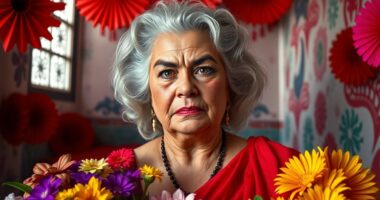
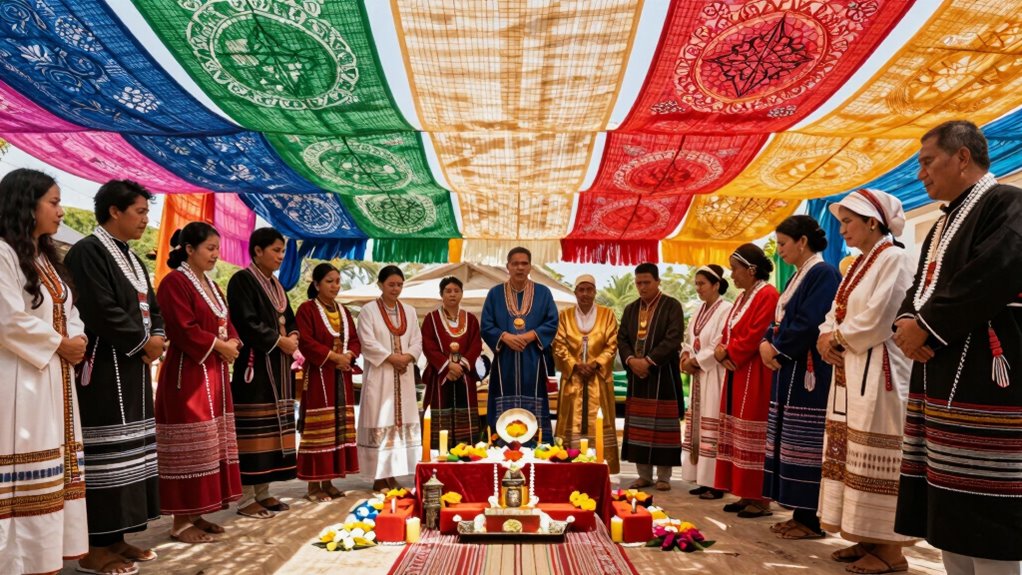
Aesthetic expression plays a key role in these ceremonies, too. The way a community decorates, costumes in vibrant colors, and the music or dance performed all reflect their unique cultural identity. These visual and sensory elements aren’t arbitrary; they’re thoughtfully crafted to embody the community’s worldview and history. For example, intricate patterns or specific colors used in ceremonial attire often symbolize concepts like fertility, protection, or spiritual connection. When you witness a ceremony, you’re not just observing a series of actions—you’re experiencing a living canvas of cultural aesthetics. Every detail, from the design of traditional garments to the arrangement of ceremonial objects, communicates stories and values that have been preserved over centuries. Understanding the cultural symbolism behind these elements enhances appreciation and insight into their significance. Recognizing the visual language employed in ceremonies helps deepen your understanding of the community’s worldview. Additionally, the ritual significance of specific actions often reflects broader cultural narratives and beliefs, making each step meaningful beyond its surface appearance. Moreover, incorporating traditional practices ensures that the ceremonies remain authentic and rooted in their cultural origins.
Ceremonies also serve as a bridge between the past and the present. They honor ancestors and historical events while allowing communities to adapt and express contemporary identities within traditional frameworks. This balance of continuity and innovation keeps cultural style traditions lively and relevant. The tradition’s continuity is often maintained through carefully preserved rituals, yet they are also flexible enough to incorporate new elements. For you, participating or learning about these ceremonies offers a window into the community’s soul. You see how rituals give structure and meaning, while aesthetic choices provide a visual language that speaks of identity and pride. In this way, ceremonies become more than just formalities—they are powerful expressions of who a community is and what it stands for. They remind everyone involved that their cultural heritage is alive, evolving, and beautifully expressed through both ritual significance and aesthetic expression.
As an affiliate, we earn on qualifying purchases.
Frequently Asked Questions
How Do Ceremonies Influence Modern Fashion Trends?
You see, ceremonies influence modern fashion trends through fashion symbolism and ritual symbolism. Designers often draw inspiration from traditional attire, incorporating symbolic colors, patterns, and accessories that reflect cultural meanings. By doing so, they preserve cultural identity while making these elements trendy and relevant. You might notice contemporary fashion embracing ceremonial motifs, which help express individuality and cultural pride, blending tradition with modern style seamlessly.
What Materials Are Traditionally Used in Ceremonial Attire?
Did you know that traditional ceremonial attire often uses textiles with deep symbolic significance? You’ll find materials like silk, cotton, and wool, chosen for their cultural importance and durability. Textile significance highlights the fabric’s cultural meaning, while symbolic adornments like beads, embroidery, and feathers add layers of tradition. These materials and adornments serve to honor ancestors, mark social status, and preserve cultural identity during sacred ceremonies.
Are Ceremonies Always Necessary for Cultural Identity?
Ceremonies aren’t always necessary for cultural identity, but they often hold deep symbolic and ritual significance that helps reinforce community bonds. You might find that participating in traditional ceremonies strengthens your understanding of cultural values and history. Even without formal ceremonies, cultural identity persists through everyday practices and shared customs. However, ceremonies provide a powerful, collective way to celebrate and preserve your cultural heritage, making your identity more vibrant and meaningful.
How Do Ceremonies Vary Within the Same Culture?
You’ll find that within the same culture, ceremonies can vary widely, like different strokes for different folks. Some focus on ritual significance, emphasizing specific customs, while others adapt to modern influences, maintaining cultural continuity. Variations can depend on regional practices, age groups, or social status. These differences help keep traditions vibrant and relevant, allowing each community to celebrate shared values in unique ways that reflect their evolving identity.
What Is the Environmental Impact of Ceremonial Practices?
Ceremonial practices can considerably impact the environment if not managed sustainably. You might notice that certain traditions consume a lot of resources, increasing the ecological footprint. To minimize this, you can adopt sustainable practices, like using eco-friendly materials or reducing waste. By doing so, you help preserve natural resources while honoring cultural traditions, ensuring that ceremonies remain meaningful without harming the environment.
Conclusion
In embracing ceremonies, you gently weave the rich tapestry of your cultural style traditions, allowing their subtle beauty to shine through. These rituals, like delicate whispers of history, softly guide you to honor your roots and celebrate shared values. By participating in these time-honored practices, you keep the gentle flame of tradition alive, ensuring it continues to brighten future generations. Ultimately, these ceremonies quietly remind us of our collective identity, nurturing a deep sense of belonging and continuity.
Halloween Picks
halloween
As an affiliate, we earn on qualifying purchases.