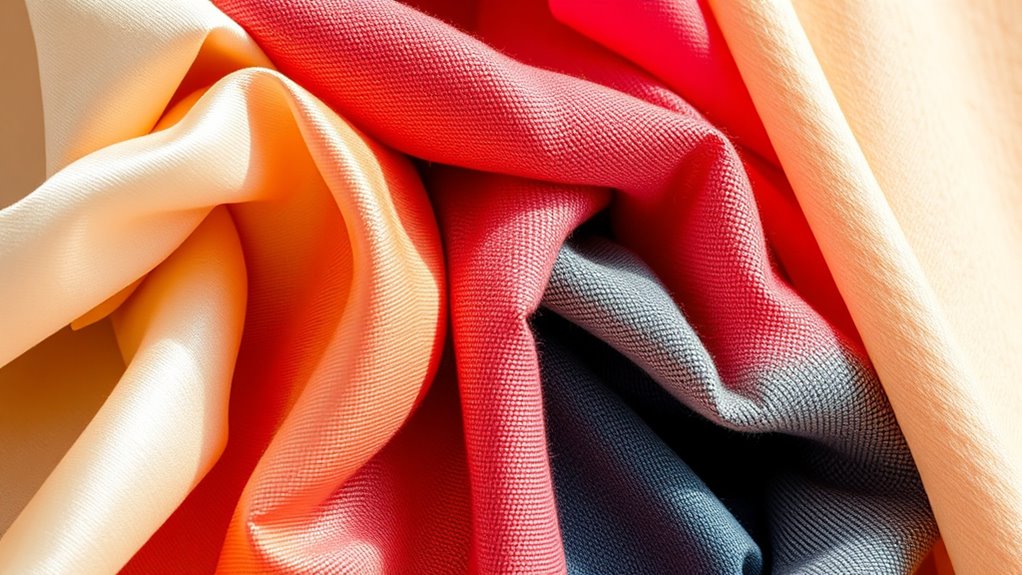

Fabric blends offer a mix of fibers that make your clothes more durable, comfortable, and easier to care for, perfect for daily use. They resist wrinkles, shrinking, and stains, giving you versatile and low-maintenance options. However, blends may include synthetic fibers that aren’t eco-friendly and can shed microplastics. Understanding these pros and cons helps you choose fabrics that match your lifestyle and values. Keep going to discover how to pick the best blend for you.

Get your wardrobe favorites delivered free — and shop member deals
- Fast, free delivery on millions of items
- Access to Prime Big Deal Days deals on October 6–7
- Prime Video, Amazon Music and more included
Key Takeaways
- Fabric blends combine fibers to enhance durability, comfort, and ease of care for daily wear.
- Synthetic fibers in blends may shed microplastics and impact the environment.
- Proper maintenance preserves fabric longevity and prevents damage from wear and washing.
- Blends are often more resistant to wrinkles, shrinking, and stains than pure natural fabrics.
- Consider sustainability and activity level when choosing fabric blends for everyday use.
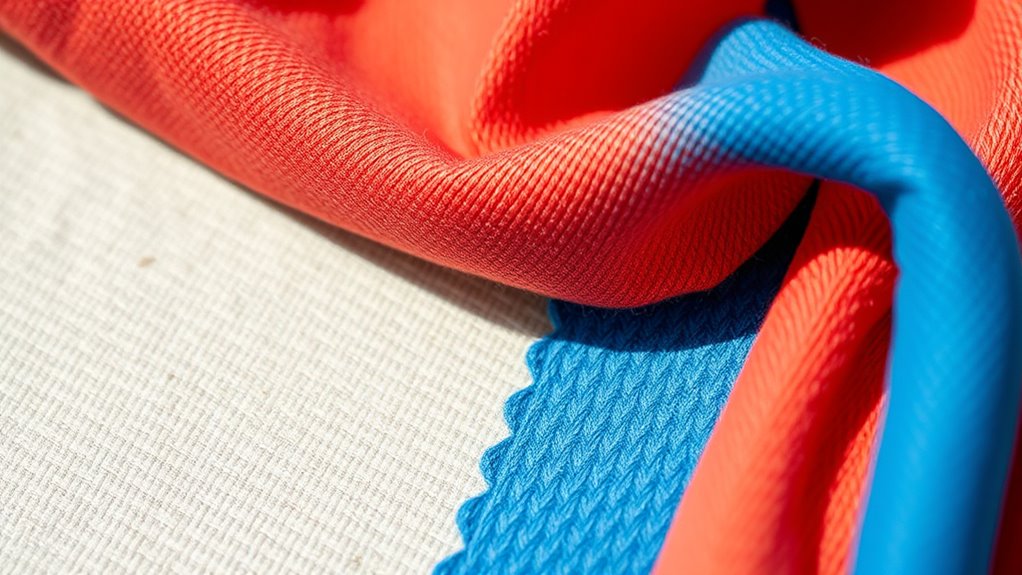
Have you ever wondered why fabric blends are so popular? The answer lies in their versatility and the way they combine the best qualities of different fibers. When you choose a fabric blend, you’re often getting a material that’s more durable, comfortable, and easier to care for than pure fabrics. But before you dive in buying, it’s helpful to understand some of the key factors involved, like sustainability considerations and care and maintenance, which can influence how well a fabric suits your everyday needs.
Fabric blends are designed to maximize benefits while minimizing drawbacks. For example, blending cotton with polyester creates a fabric that’s resistant to wrinkles and shrinking, making it ideal for busy lifestyles. However, when thinking about sustainability considerations, you should be aware that synthetic fibers like polyester are derived from non-renewable resources and can shed microplastics over time. This means that, although blends may offer convenience, they might not always align with environmentally conscious choices. If sustainability is a priority, look for blends that incorporate eco-friendly fibers or recycled materials, which can help reduce your carbon footprint without sacrificing performance.
Synthetic fibers like polyester are non-renewable and shed microplastics, so choose eco-friendly blends for sustainable fashion.
Care and maintenance are essential factors that influence how long your fabric lasts and how you should treat it. Generally, fabric blends are easier to maintain than pure natural fibers because they tend to resist wrinkles, shrinking, and stains better. For instance, a polyester-cotton blend can often be machine washed and dried without special precautions, saving you time and effort. Still, it’s important to follow the care instructions provided by the manufacturer to preserve the fabric’s integrity. Some blends may require gentle cycles or lower heat settings to prevent damage, especially if they contain delicate fibers or finishes. Being mindful of care and maintenance will guarantee that your clothes stay looking their best through multiple wears and washes. Additionally, understanding how fabric blends respond to wear and tear can help you choose the right materials for your daily activities.
As an affiliate, we earn on qualifying purchases.
Frequently Asked Questions
How Do Fabric Blends Affect Allergy Sensitivity?
Fabric blends can influence your allergy sensitivity by either reducing or increasing allergy triggers. Certain blends, like cotton-polyester, may irritate fabric sensitivities because synthetic fibers can trap allergens or cause skin reactions. On the other hand, natural fibers like cotton or silk in blends might be gentler on your skin, lowering irritation. To minimize allergy issues, choose blends labeled as hypoallergenic and wash your clothes thoroughly to remove potential irritants.
Are Fabric Blends More Environmentally Friendly Than Pure Fabrics?
You might wonder if fabric blends are more eco-friendly than pure fabrics. Generally, blends can be more sustainable if made with eco-friendly certifications and sustainable manufacturing practices, reducing waste and resource use. However, some blends involve synthetic fibers that are less biodegradable, impacting the environment negatively. To make an eco-conscious choice, look for fabrics with sustainable certifications, as they guarantee the blend’s production aligns with eco-friendly standards.
Can Fabric Blends Be Recycled Easily?
You might wonder if fabric blends can be recycled easily. The truth is, recycling challenges often make it difficult to break down blended textiles because different fibers require different processes. While some eco-friendly options exist, like specific recycling programs, many blends are harder to recycle than pure fabrics. So, if sustainability matters to you, look for fabrics labeled as recyclable or made from eco-friendly fibers to minimize environmental impact.
Do Fabric Blends Shrink More Than Natural Fabrics?
Imagine a delicate dance between fibers; fabric blend composition influences how much it shrinks. Generally, natural fabrics like cotton or wool tend to shrink more than blends. When you compare shrinkage, blends often hold their shape better, resisting the tug of water and heat. So, yes, fabric blends usually shrink less than natural fabrics, making them a more stable choice for everyday wear.
How Do Fabric Blends Impact Long-Term Durability?
Fabric blends can boost long-term durability by improving wear resistance and fiber bonding. When synthetic fibers are combined with natural ones, they often resist abrasion better and maintain shape longer. This means your clothes withstand repeated washing and daily use more effectively. However, be mindful that some blends may weaken over time if fibers don’t bond well, so choosing quality blends guarantees better durability for your everyday wear.
Conclusion
Understanding fabric blends is like balancing a dance between comfort and durability. By knowing their pros and cons, you can make smarter choices for everyday wear. Remember, no fabric is perfect—each has its own rhythm, its own story. So, pick blends that match your lifestyle and let your wardrobe sing with confidence. When you find that perfect harmony, you’ll wear your clothes not just on your body, but as an extension of yourself.
Fall Picks
fall essentials
As an affiliate, we earn on qualifying purchases.