
To thrive as a modern fashion creative, you need a mix of skills. Master your fashion illustration to clearly communicate designs and capture movement and texture. Stay updated with textile innovations and sustainable fabrics to stand out. Get comfortable with digital tools like Adobe Illustrator and 3D modeling for faster workflows. Keep an eye on trends and cultural shifts to keep your collections relevant. Combining inspiration from architecture, tech, and culture will make your work truly unique. Keep exploring these skills to stay ahead.

Get your wardrobe favorites delivered free — and shop member deals
- Fast, free delivery on millions of items
- Access to Prime Big Deal Days deals on October 6–7
- Prime Video, Amazon Music and more included
Key Takeaways
- Proficiency in fashion illustration to effectively communicate design concepts and evoke style and attitude.
- Deep understanding of textile innovation and sustainable materials for cutting-edge, eco-friendly collections.
- Mastery of digital tools like Adobe Illustrator, Photoshop, and 3D modeling to enhance creativity and streamline workflows.
- Ability to analyze trends and market shifts to ensure designs are relevant and consumer-focused.
- Cross-disciplinary inspiration from architecture, technology, and cultural themes to foster innovative, market-ready collections.

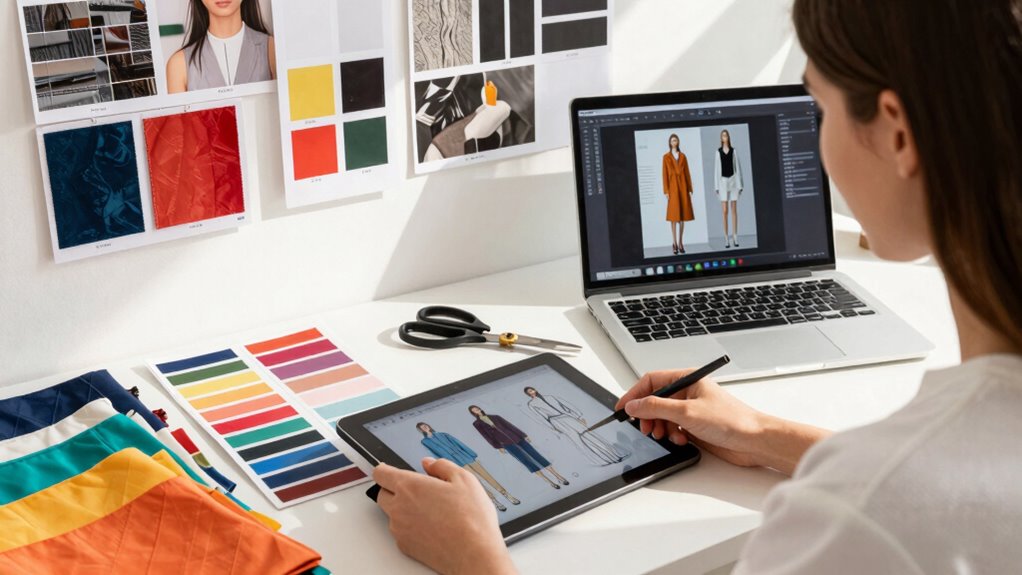
In today’s fast-paced fashion industry, staying ahead requires more than just creative flair; it demands a diverse set of skills. You need to master the art of fashion illustration to communicate your ideas clearly and convincingly. Whether you’re sketching a new design or presenting concepts to clients, your ability to produce detailed, expressive illustrations makes your vision tangible. Fashion illustration isn’t just about drawing pretty pictures; it’s about capturing the essence of a design, conveying movement, texture, and attitude. As you develop this skill, you’ll be better equipped to translate your inspiration into visual narratives that resonate with both colleagues and consumers. Complementing your illustration skills is a strong understanding of textile innovation. The world of fabrics is constantly evolving, with new materials offering sustainability, functionality, and unique aesthetic qualities. Staying informed about textile innovations means you can incorporate cutting-edge fabrics into your designs, giving you a competitive edge. It’s not just about choosing pretty prints anymore; it’s about understanding how innovative textiles can enhance your designs’ performance and appeal. You need to know how different fibers behave, how they can be manipulated, and how they respond to various manufacturing processes. This knowledge allows you to push boundaries and experiment with new textures, finishes, and sustainable options, ensuring your work stays fresh and relevant. In addition, honing your skills in digital tools is essential. Many aspects of modern fashion design, from creating detailed illustrations to visualizing textiles, are now done digitally. Proficiency in software like Adobe Illustrator or Photoshop, along with 3D modeling tools, helps streamline your workflow and opens up new creative avenues. These tools also facilitate collaboration, allowing you to share your ideas seamlessly with team members and clients across distances. Moreover, understanding trend forecasting and market analysis enhances your ability to create relevant, forward-thinking designs. Recognizing emerging styles, consumer preferences, and cultural shifts keeps your work timely and impactful. Staying aware of digital content concepts and their influence on consumer engagement can further elevate your approach. Additionally, familiarizing yourself with home design/architecture details can inspire innovative pattern and structure ideas within fashion, blending different creative disciplines for unique results. Incorporating a solid understanding of ADAS sensor calibration can also inspire innovative design techniques that consider emerging safety technologies. Moreover, considering how contrast ratio and lighting conditions affect fabric and color perception can help you select the right materials and presentation methods for your collections. Furthermore, understanding the role of astrology in personal traits can sometimes inspire unique thematic elements or branding concepts within your collections, resonating on a deeper cultural level. Combining your illustration talents with knowledge of textile innovation, digital skills, and trend insights transforms you into a versatile, innovative fashion creative. It’s about continuously learning and adapting, so you can produce designs that are not only beautiful but also functional and in tune with the future of fashion. In a competitive industry, these skills will set you apart, enabling you to turn your creative ideas into compelling, market-ready collections.
As an affiliate, we earn on qualifying purchases.
Frequently Asked Questions
How Can I Develop My Personal Style as a Fashion Creative?
To develop your personal style, start experimenting with color theory by mixing and matching hues that resonate with you. Focus on fabric selection to understand textures and how they complement your designs. Keep a mood board of inspiring visuals, and practice creating outfits that express your unique voice. Over time, you’ll refine your style by staying true to your preferences, blending your knowledge of color and fabric to craft authentic, standout looks.
What Are the Best Ways to Build a Professional Fashion Portfolio?
To build a professional fashion portfolio, focus on creating a compelling digital presentation that showcases your best work. Incorporate elements of fashion branding to establish your unique identity. Use high-quality images, clear layouts, and consistent styling to make your portfolio stand out. Regularly update it with new projects to reflect your growth. A polished digital presentation demonstrates your professionalism and helps attract potential clients or employers effectively.
How Do I Stay Updated With Current Fashion Industry Trends?
You stay updated with current fashion industry trends by actively engaging in fashion forecasting and trend analysis. Follow leading fashion publications, attend industry events, and subscribe to trend reports. Use social media to track emerging designers and influencers. Regularly analyze runway shows and street style. By consistently practicing trend analysis, you’ll anticipate shifts and incorporate fresh ideas into your work, keeping your creations relevant and innovative.
What Networking Strategies Are Effective for Emerging Fashion Designers?
Hit the ground running by attending industry events and joining online communities, where you can make meaningful connections. Collaborate on projects with fellow designers or influencers to showcase your talent and build your network. Don’t be afraid to reach out to mentors or brands for advice and partnerships. Consistency is key—stay active, engage genuinely, and your network will grow, opening doors when opportunities knock.
How Can I Balance Creativity With Commercial Viability?
To balance creativity with commercial viability, you should combine innovative techniques with thorough market analysis. Experiment with fresh ideas that set your work apart, but always consider your target audience’s preferences and trends. Stay adaptable by regularly researching market shifts, and refine your designs accordingly. This approach guarantees your creative vision remains authentic while appealing to consumers, increasing your chances of success in a competitive industry.
Conclusion
Just like a skilled gardener tending a diverse garden, mastering these skills helps you nurture your creative vision in the ever-changing landscape of fashion. Each ability you develop is a seed that grows into bold designs, innovative ideas, and lasting connections. Embrace continuous learning and adaptability as your tools, and watch your fashion journey flourish. With these skills, you’ll cultivate a vibrant, resilient career, blooming amidst the seasons of the industry.
Fall Picks
fall essentials
As an affiliate, we earn on qualifying purchases.