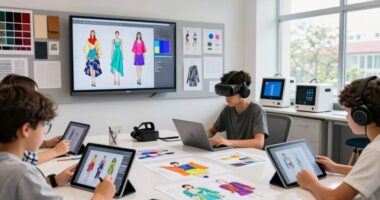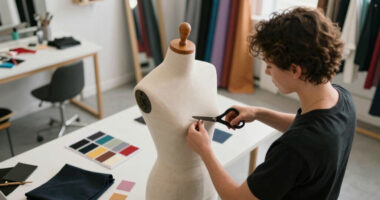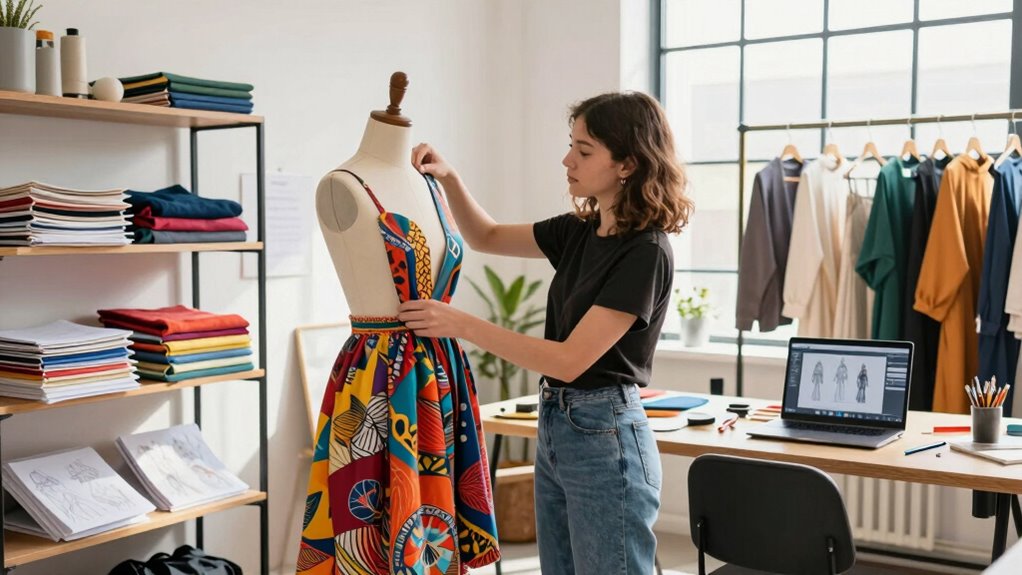

Internships give you hands-on experience, helping you learn industry standards, network with professionals, and gain practical skills that boost your confidence. Side projects let you experiment creatively, develop your unique style, and showcase your initiative to potential employers. Both opportunities improve your technical and soft skills, making you more adaptable and prepared for a successful fashion career. Stay with us to discover how you can leverage these experiences for your growth.

Get your wardrobe favorites delivered free — and shop member deals
- Fast, free delivery on millions of items
- Access to Prime Big Deal Days deals on October 6–7
- Prime Video, Amazon Music and more included
Key Takeaways
- Internships provide practical industry exposure, helping develop professional skills and build valuable industry connections.
- Side projects allow experimentation, showcasing creativity and initiative to potential employers.
- Both opportunities enhance technical skills like fabric selection, sewing, and digital editing.
- They foster independent problem-solving, organization, and communication abilities vital for career growth.
- Early experience from internships and side projects strengthens resumes and accelerates industry success.
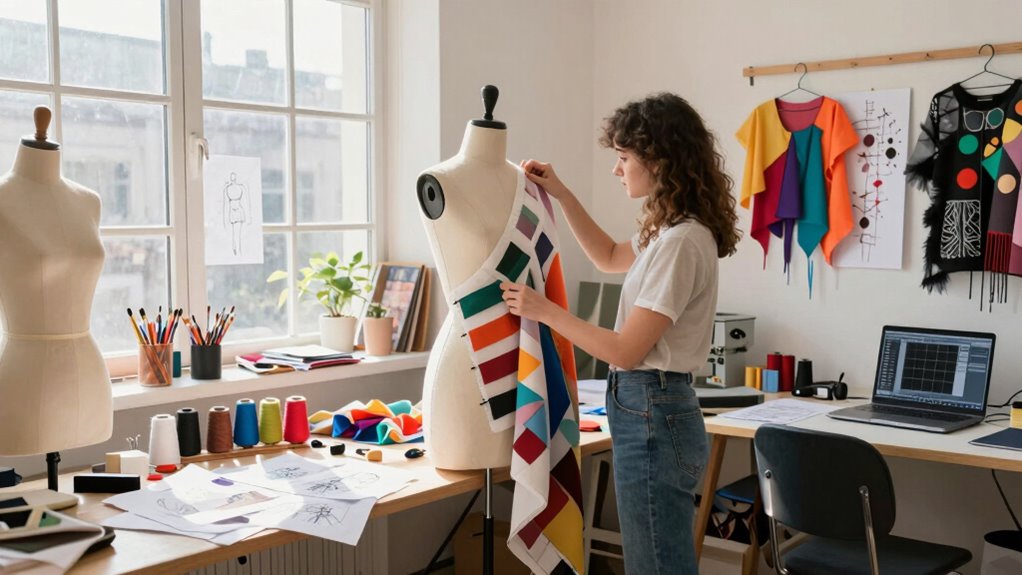
Gaining hands-on experience is essential if you want to thrive in the fashion industry, and internships along with side projects offer the perfect opportunities to do just that. When you immerse yourself in real-world work environments through internships, you gain more than just knowledge—you build valuable fashion industry networking that can open doors in your career. These connections with designers, stylists, and other industry professionals provide insights that textbooks can’t offer. As you work alongside experts, you learn how the industry operates, the latest trends, and essential skills, all of which contribute to your professional growth. Incorporating Free Floating concepts like innovative display techniques can help set your work apart. Side projects are equally crucial for your development. They allow you to experiment with your creative ideas, refine your design skills, and develop your personal style. Whether you’re creating a small clothing line, styling photoshoots, or curating fashion content, these projects push you to apply what you’ve learned in a practical setting. They also demonstrate your initiative and passion to potential employers or collaborators, making your portfolio stand out. Plus, working on side projects helps you develop your creative skill set—such as sketching, sewing, styling, and digital editing—giving you a competitive edge in a crowded industry. Recognizing the importance of industry-specific skills can further enhance your readiness for professional opportunities. Additionally, understanding the technical aspects of fashion production, such as fabric selection and manufacturing processes, can significantly improve your ability to execute ideas effectively. The increasing popularity of democratized investment platforms like Public.com underscores the importance of staying adaptable and embracing new technology trends in the industry. Both internships and side projects serve as platforms for continuous learning. During internships, you’re exposed to professional standards, deadlines, and collaborative work, which sharpens your organizational and communication skills. Meanwhile, side projects foster innovation, helping you think outside the box and solve creative challenges independently. Developing a comprehensive skill set that combines technical knowledge and creative abilities is vital for standing out and succeeding in the competitive fashion landscape. As you juggle these experiences, you’ll notice your confidence grows, and your ability to adapt to different roles and tasks strengthens. Moreover, engaging actively in these opportunities shows your dedication to your craft. It reflects your willingness to learn, improve, and stay current with industry trends. Many successful fashion professionals credit their early experiences—whether through internships or personal projects—for giving them the practical knowledge and confidence they needed to succeed. These experiences not only enrich your resume but also help you develop a unique voice and perspective in the fashion world. In essence, combining internships and side projects accelerates your growth by offering hands-on practice, expanding your professional network, and honing your creative skills. They serve as stepping stones that prepare you for the demands of the industry and set you apart from others just starting out. If you want to make a mark in fashion, prioritize actively seeking out these opportunities—they’re the foundation for building real-world experience and a successful career.
As an affiliate, we earn on qualifying purchases.
Frequently Asked Questions
How Can I Find the Right Internship in Fashion?
To find the right internship in fashion, start by researching companies aligned with your interests, like sustainable fashion initiatives. Attend industry networking events and connect with professionals on social media platforms to build relationships. Tailor your application to highlight your passion for sustainability and your skills. Keep an eye on fashion job boards and company websites, and don’t hesitate to reach out directly to express your enthusiasm and learn more about potential opportunities.
What Skills Are Most Valuable in Fashion Internships?
In fashion internships, the most valuable skills are strong knowledge of fashion terminology and industry networking. You should grasp key concepts like haute couture, prêt-à-porter, and fabric types to communicate effectively. Building industry connections through networking helps you learn from professionals and opens doors for future opportunities. Your proactive attitude, attention to detail, and ability to adapt are essential for gaining hands-on experience and making a lasting impression.
How Do Side Projects Differ From Internships in Fashion?
Ever wondered how side projects differ from internships in fashion? You take creative independence in your own hands, designing or styling projects that showcase your unique vision. Unlike internships, which often follow company structures, side projects help build your personal branding and demonstrate initiative. They let you experiment freely, develop a portfolio, and highlight your personal style, making them a valuable complement to formal internship experiences.
Can Remote Internships Provide Similar Experience?
Yes, remote internships can provide valuable experience. You can engage in virtual networking, which helps you connect with industry professionals worldwide. These internships also promote skill development by offering hands-on tasks and real-world projects you can work on from home. While they lack physical presence, you still gain insights into fashion workflows, communication, and industry trends, making them an effective way to build your fashion experience remotely.
How Do I Showcase My Side Projects to Employers?
You should create a compelling portfolio presentation that highlights your side projects, showcasing your skills and creativity. Share your work on platforms like Behance or your personal website, and include detailed descriptions of your process. Use effective networking strategies by connecting with industry professionals on LinkedIn and attending fashion events. This approach helps demonstrate your passion and expertise, making you more attractive to potential employers.
Conclusion
Internships and side projects aren’t just about building your resume—they’re about creating a foundation for your passion. While internships offer structured learning, side projects ignite your creativity and individuality. Together, they shape your unique perspective in fashion. In a world driven by trends, your experience becomes your anchor. Embrace both; they’re the contrast that fuels your growth, reminding you that in fashion, as in life, it’s the blend of discipline and passion that truly defines you.
Fall Picks
fall essentials
As an affiliate, we earn on qualifying purchases.