
Focusing on cost per wear helps you see the true value of your clothes by showing how often you actually use them, rather than just their initial price. It encourages smarter purchases of high-quality, versatile pieces that last longer and reduce waste. When you consider wear frequency, you avoid impulse buys and trend fads, making more sustainable choices. Keep exploring to discover how this mindset can transform your wardrobe and spending habits for the better.

Get your wardrobe favorites delivered free — and shop member deals
- Fast, free delivery on millions of items
- Access to Prime Big Deal Days deals on October 6–7
- Prime Video, Amazon Music and more included
Key Takeaways
- Cost per wear assesses an item’s value based on usage, revealing true long-term affordability beyond initial price.
- It encourages investing in high-quality, durable pieces that offer more value over time.
- Focusing on cost per wear reduces impulse buying and promotes smarter, more intentional wardrobe choices.
- It supports sustainable fashion by emphasizing longevity and minimizing waste from fast fashion items.
- Overall, cost per wear provides a more accurate measure of an item’s worth, leading to better investment decisions.
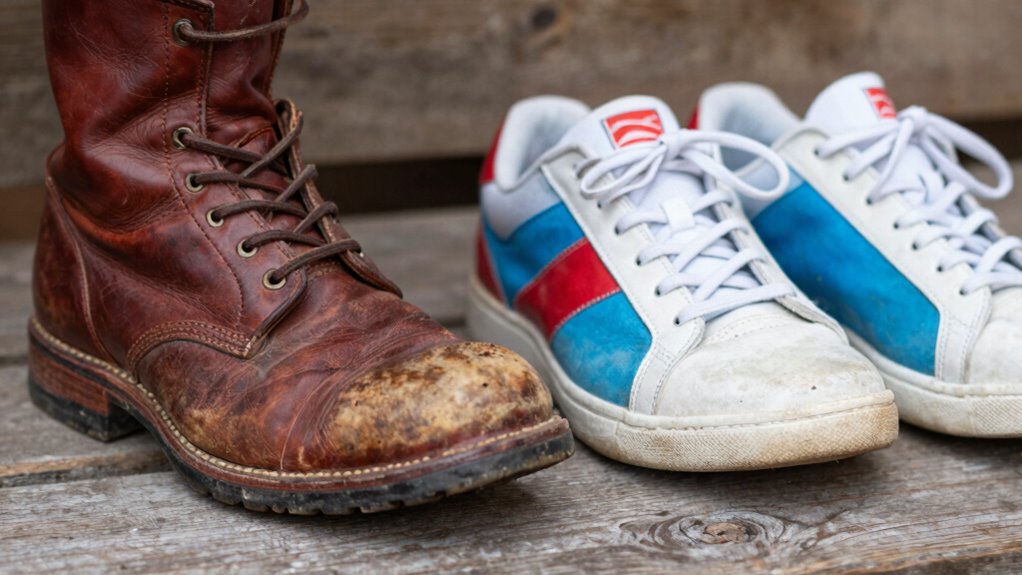
Have you ever wondered if that expensive designer piece is truly worth the price? When you’re shopping for luxury brands, it’s easy to get caught up in the allure of the label and the initial cost. But the real question isn’t just how much it costs upfront; it’s how well that item will serve you over time. That’s where understanding cost per wear comes into play. Instead of focusing solely on the price tag, this method helps you evaluate an item’s value based on how often you’ll actually wear it. It’s a smarter approach that aligns with sustainable fashion principles, encouraging you to invest in quality pieces that last rather than fast fashion that quickly falls apart.
Luxury brands often come with hefty price tags, but they’re typically crafted with superior materials and meticulous craftsmanship. This means that, if you wear these items frequently, their cost per wear drops significantly, making them a more economical choice in the long run. For example, a designer blazer that costs $1,000 might seem steep at first glance, but if you wear it 50 times, your cost per wear is just $20. That kind of calculation highlights how investing in fewer, higher-quality pieces can be more sustainable and cost-effective than buying multiple cheaper items that wear out quickly. It’s a mindset shift that encourages you to think about longevity and versatility rather than just the initial expenditure.
Investing in high-quality pieces lowers your cost per wear and promotes sustainable, versatile fashion choices.
Moreover, evaluating cost per wear pushes you toward smarter buying decisions that benefit both your wardrobe and the environment. When you choose pieces that can be styled in various ways and worn across seasons, you’re supporting sustainable fashion practices. Instead of contributing to the cycle of fast fashion waste, you’re building a wardrobe of timeless, durable items. This approach also helps you avoid impulse buys, ensuring each purchase is intentional and adds real value. Incorporating clothing durability into your decision-making process can further enhance your wardrobe’s longevity and reduce waste. Additionally, understanding the importance of artistic expression can inspire more thoughtful and meaningful fashion choices that reflect your personal style.
Over time, you’ll notice that your closet becomes more curated, filled with versatile pieces that serve multiple purposes and withstand trends.
In addition, incorporating landscaping elements into your outdoor space can create a more inviting environment that complements your wardrobe choices, enhancing your overall lifestyle and enjoyment of your home.
In essence, focusing on cost per wear transforms how you see shopping. It shifts your perspective from price alone to value and durability. When you invest thoughtfully in luxury brands, you’re not just spending money—you’re making a commitment to quality, sustainability, and style that lasts. By doing so, you create a wardrobe that’s both chic and conscientious, proving that smart investing leads to better fashion choices and a more sustainable future.
high quality versatile wardrobe staples
As an affiliate, we earn on qualifying purchases.
As an affiliate, we earn on qualifying purchases.
Frequently Asked Questions
How Do I Accurately Track Wear Over Time?
To accurately track wear over time, you should establish tracking habits like keeping a dedicated wear documentation journal or app. Each time you wear an item, note the date and any visible signs of wear or damage. Regularly review your entries to see how often and how long you wear each piece, which helps determine its true cost per wear. Consistent documentation makes it easier to assess your wardrobe’s value over time.
Does Higher Cost Always Mean Better Quality?
They say “you get what you pay for,” but higher cost doesn’t always guarantee better quality. Luxury brands often use superior material durability, but some pricey items may not last longer than less expensive alternatives. When evaluating quality, consider how well the item withstands wear and tear over time. A more affordable piece with durable materials could serve you better than a costly one that wears out quickly.
Can Secondhand Items Have a Lower Cost per Wear?
Yes, secondhand items can have a lower cost per wear. Vintage value and resale potential often mean you pay less upfront, and if you wear the item frequently, your cost per wear drops considerably. Thrifted or vintage finds tend to offer great value because their durability and timeless style encourage long-term use, making them smarter purchases. So, secondhand shopping can be an economical way to build a versatile wardrobe.
How Often Should I Reassess My Cost per Wear?
You should reassess your cost per wear every few months, especially after wearing an item multiple times. Did you know that fashion depreciation can cause clothing to lose 30% of its value in a year? To maximize style longevity, regularly tracking your cost per wear helps you determine if an item remains a worthwhile investment or if it’s time to pass it on. This keeps your wardrobe both stylish and budget-friendly.
Is Cost per Wear Applicable to Accessories and Shoes?
Yes, cost per wear applies to accessories and shoes. You should consider accessory longevity and shoe durability when calculating this. High-quality shoes and accessories tend to last longer, reducing their cost per wear over time. By tracking how often you wear each item and how long it lasts, you get a clearer picture of their value, helping you make smarter shopping choices and avoid unnecessary expenses.
Conclusion
When you think about your wardrobe, don’t just look at the price tag—imagine it as a seed planted in your closet’s garden. Cost per wear helps you nurture that seed into a flourishing part of your daily life, where each wear is a drop of rain, a ray of sun. It turns shopping into an investment, not just an expense, helping your wardrobe bloom beautifully over time, with value and style growing hand in hand.
Fall Picks
fall essentials
As an affiliate, we earn on qualifying purchases.