Creating an effective email playbook for welcome, launch, and win-back campaigns helps you guide your messaging through each customer journey stage. By segmenting your audience based on behaviors and preferences, you can personalize content to make recipients feel valued and understood. These tailored emails increase engagement and conversions. A well-structured approach guarantees your messages stay relevant and consistent. Keep exploring to learn how to build impactful playbooks that turn passive subscribers into loyal customers.
Key Takeaways
- Develop tailored welcome, launch, and win-back email strategies aligned with customer journey stages.
- Segment audiences based on behaviors and preferences to personalize messaging effectively.
- Use personalization beyond names, referencing past interactions and purchase data for relevance.
- Incorporate content that addresses specific customer needs and motivations in each email type.
- Maintain a structured playbook to ensure consistent, relevant communication that boosts engagement and conversions.

Ever wondered how some businesses consistently craft emails that convert? The secret often lies in strategic email playbooks that guide your messaging through different customer journeys. Whether you’re welcoming new subscribers, launching a product, or trying to win back inactive customers, having a clear plan guarantees your messages resonate and drive action. One of the foundational elements is customer segmentation. By dividing your audience into specific groups based on demographics, behaviors, or purchase history, you can tailor your emails more precisely. This segmentation allows you to implement personalization strategies that make each recipient feel understood and valued, rather than just another inbox name.
Strategic segmentation and personalization are key to crafting emails that truly convert.
When crafting a welcome email, your goal is to establish a connection right away. Use customer segmentation to identify new subscribers’ interests or preferences. If they signed up for a specific product category, personalize your welcome message accordingly, highlighting relevant features or benefits. Personalization strategies here go beyond inserting their name; include content that aligns with their initial sign-up intent. This creates an immediate sense of relevance and encourages engagement from the start.
In a product launch scenario, segmentation becomes even more critical. Different segments may respond differently to new offerings. For instance, loyal customers might appreciate early access or exclusive discounts, while prospects might need more education about the product’s value. Tailoring your launch emails based on these segments ensures each group receives messaging that appeals to their current relationship with your brand. Personalization strategies, such as referencing previous purchases or browsing behavior, boost the impact of your launch campaign, making recipients more likely to explore and buy.
Win-back campaigns often target segments of inactive customers. Here, your approach should focus on rekindling interest with personalized offers or content that reconnects with their past interactions. Use customer segmentation to identify the reasons behind their inactivity—perhaps they lost interest in certain products or faced issues with service. Personalization strategies involve addressing these specific pain points, offering solutions, or presenting incentives that match their previous preferences. When you customize your messaging in this way, you show that you understand their needs, increasing the chances of re-engagement.
Across all these scenarios, a well-structured email playbook ensures consistency and relevance. By leveraging customer segmentation and personalization strategies, you create tailored experiences that boost engagement and conversions. Incorporating content relevance ensures your messages align with customer needs and interests. It’s not just about sending emails; it’s about sending the right message to the right person at the right time. When your emails feel personal and relevant, your audience is more likely to respond positively, turning passive subscribers into loyal customers.
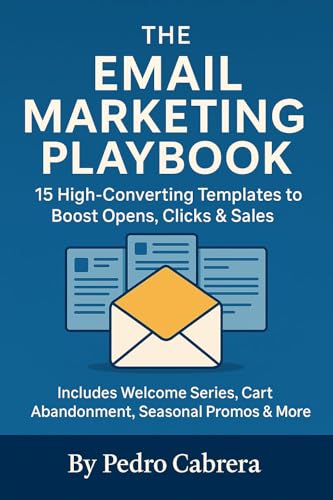
The Email Marketing Playbook: 15 Ready-to-Use Templates to Boost Opens, Clicks & Sales
As an affiliate, we earn on qualifying purchases.
As an affiliate, we earn on qualifying purchases.
Frequently Asked Questions
How Do I Personalize Email Playbooks for Different Customer Segments?
You personalize email playbooks for different customer segments by leveraging customer segmentation data to tailor content, offers, and messaging. Use personalization strategies such as dynamic content, personalized subject lines, and targeted calls-to-action that resonate with each segment’s preferences and behaviors. Continuously analyze engagement metrics to refine your approach, ensuring your playbooks remain relevant and effective for every customer group, boosting engagement and conversions.
What Metrics Best Measure the Success of Each Playbook Phase?
You should track metrics benchmarks like open rates, click-through rates, and conversion rates to gauge success indicators for each playbook phase. For the Welcome phase, focus on engagement and list growth. In the Launch phase, measure product adoption and user activity. During Win-Back campaigns, look at re-engagement rates and churn reduction. These metrics help you identify what’s working and where to optimize your email strategy effectively.
How Often Should I Update or Refresh My Email Playbooks?
You should refresh your email playbooks every 3 to 6 months, because “a stitch in time saves nine.” Regular updates keep your email content fresh and relevant, ensuring your template design resonates with your audience. Review performance metrics, industry trends, and customer feedback to identify areas needing improvement. By staying proactive, you’ll maximize engagement and conversions, keeping your campaigns effective and your strategy ahead of the curve.
What Tools or Software Can Streamline Creating These Email Playbooks?
You can streamline creating your email playbooks using tools like HubSpot, Marketo, or ActiveCampaign, which excel in email automation and content management. These platforms let you easily design, segment, and automate sequences, saving you time and ensuring consistency. By leveraging such software, you can efficiently update your playbooks, personalize content, and track performance, making your email strategies more effective and adaptable to changing audience needs.
How Do I Handle Unsubscribes During the Win-Back Phase?
Unsubscribes during the win-back phase are your chance to shine, not a setback. You should handle unsubscribe requests swiftly and with empathy, making it easy for recipients to opt-out if they wish. Incorporate unsubscribe handling into your complaint management process to address concerns professionally, showing you respect their choices. This approach preserves your reputation and keeps the door open for future engagement, turning even exits into opportunities for goodwill.
Conclusion
Now that you’ve mastered these email playbooks—welcome, launch, and win-back—you’re ready to conquer any inbox. Think of it as your secret decoder ring, turning prospects into loyal fans, just like a modern-day wizard. Remember, a well-crafted email can be your Excalibur, slicing through the noise and striking the right chord. Keep experimenting, stay authentic, and watch your engagement soar. With these strategies, you’re all set to make your mark in the digital domain.