
To successfully negotiate prices on marketplace apps, start with polite, friendly language and build rapport by expressing genuine interest. Use scripts that compare similar listings or reference market value to justify your offer, such as, “Would you consider accepting $XX?” or “I’m ready to buy quickly at this price.” Stay flexible, ask about room for compromise, and emphasize a collaborative attitude. Keep practicing these techniques, and you’ll learn more effective ways to get the deal you want.
Key Takeaways
- Start with polite, friendly language and express genuine interest before making an offer.
- Use market comparisons and reference comparable listings to justify your proposed price.
- Ask open-ended questions like, “Any flexibility?” to gauge seller openness and build rapport.
- Highlight quick closing or cash payment to motivate acceptance and demonstrate seriousness.
- Keep tone respectful and collaborative, emphasizing mutual benefit to increase negotiation success.
Have you ever wondered if you can score a better deal when shopping on marketplace apps? The truth is, negotiating prices isn’t just about haggling — it’s about understanding pricing psychology and using smart communication strategies. When you approach a seller with confidence and a well-thought-out script, you increase your chances of securing a better deal. The first step is knowing how pricing psychology works; sellers often set prices with certain psychological tactics in mind, such as charm pricing ($9.99 instead of $10) or anchoring high to make offers seem more reasonable. Recognizing this allows you to craft your negotiation to tap into these cues and get the best value.
Communication strategies are equally important. Rather than making an outright lowball offer, which might offend the seller or shut down negotiations, start with a polite and friendly tone. Open the conversation by expressing genuine interest in the item, then gradually introduce your offer. For example, you might say, “I really like this item, but I was thinking more along the lines of $XX. Would you consider that?” This approach shows respect and gives the seller space to counteroffer. It’s also helpful to mention how you arrived at your price — perhaps based on comparable listings or your budget — to make your offer seem reasonable rather than arbitrary.
Using scripts can make your negotiation more effective. For instance, if the seller lists an item at a certain price, you can respond with, “Thanks for the quick reply! I see your price, but I’ve noticed similar items going for a bit less. Would you be willing to accept $XX?” This script appeals to pricing psychology by subtly referencing market value and demonstrates that you’ve done your homework. If the seller counters higher, stay calm and reiterate your position politely. Sometimes, emphasizing your willingness to close the deal quickly can also motivate the seller to accept your offer, especially if the item has been listed for a while.
Another key communication strategy is showing flexibility. Instead of sticking rigidly to your initial offer, ask if there’s room for compromise. Phrases like, “Is there any flexibility on the price?” or “Would you consider meeting me at $XX?” keep the conversation open and collaborative. This approach makes the seller more comfortable and increases the likelihood of reaching an agreement that benefits both of you. Additionally, understanding the core traits that influence behavior, such as the 16PF personality traits, can help tailor your approach for more successful negotiations. When you combine an understanding of pricing psychology with effective communication strategies, negotiating on marketplace apps becomes a powerful tool for saving money and securing great deals.
negotiation scripts for marketplace apps
As an affiliate, we earn on qualifying purchases.
As an affiliate, we earn on qualifying purchases.
Frequently Asked Questions
How Do I Start a Negotiation Without Offending the Seller?
When starting a negotiation, you want to keep your tone friendly and respectful to avoid offending the seller. Begin by doing a price comparison to show you’ve researched, then express genuine interest in the item. Say something like, “I really like this, but I was wondering if you’d consider a slightly lower price?” This approach keeps the tone positive and opens the door for a fair negotiation.
What Are Effective Ways to Handle a Seller Who Refuses to Negotiate?
When a seller refuses to negotiate, you can try using price anchoring by suggesting a slightly lower amount, making your offer seem reasonable. You might also use emotional appeals, like expressing genuine interest or explaining how the item fits your needs. This approach encourages the seller to see your offer as fair, possibly opening the door for further discussion. Stay respectful and patient—it shows you’re serious without offending.
Is It Better to Negotiate in Person or Through Messages?
You should consider negotiating in person because your body language and tone of voice can convey confidence and friendliness, making the seller more receptive. In person, you can read their reactions and adjust your approach accordingly. Messages lack these cues, so negotiations might feel less personal and more prone to misunderstandings. Ultimately, in-person conversations often lead to better deals because you can build rapport through non-verbal cues.
When Should I Walk Away From a Negotiation?
You should walk away from a negotiation when the price exceeds your set price thresholds or if you notice emotional attachment clouding the seller’s judgment. If they’re unwilling to lower the price to a reasonable level or if you feel pressured, it’s best to conclude the deal. Maintaining your limits helps avoid overpaying and ensures you don’t get caught up emotionally, making smarter purchasing decisions.
How Can I Tell if a Seller Is Willing to Accept a Lower Price?
You might worry that asking about lower prices feels intrusive, but noticing price indicators can give you clues. If a seller responds quickly or offers flexible options, it shows seller responsiveness and a willingness to negotiate. These signs suggest they’re open to accepting a lower price. Pay attention to their tone and replies—these are your best indicators that a lower offer might be accepted, so don’t hesitate to ask confidently.

The Essential Enneagram: The Definitive Personality Test and Self-Discovery Guide ― Revised & Updated – A Stanford Professor's Research-Based System for Nine Types
As an affiliate, we earn on qualifying purchases.
As an affiliate, we earn on qualifying purchases.
Conclusion
Mastering price negotiations on marketplace apps is like wielding Excalibur—you hold the power to carve out deals that feel like victory. With the right scripts and confidence, you turn the art of bargaining into a strategic dance, reminiscent of Odysseus’s cleverness. So, go ahead—use these techniques to claim your treasure, knowing that every successful negotiation brings you closer to triumph, much like the hero who emerges victorious from every challenge.
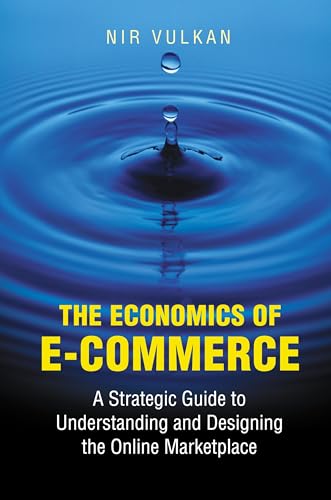
The Economics of E-Commerce: A Strategic Guide to Understanding and Designing the Online Marketplace
Used Book in Good Condition
As an affiliate, we earn on qualifying purchases.
As an affiliate, we earn on qualifying purchases.

The Used Cars Buyer's Guide 2026: A Step-by-Step Guide to Evaluating, Negotiating, and Choosing the Right Vehicle.
As an affiliate, we earn on qualifying purchases.
As an affiliate, we earn on qualifying purchases.