
TL;DR
Listen free for 30 days with Audible
Thousands of audiobooks and originals — cancel anytime.
Start your free trialAs an affiliate, we earn on qualifying purchases.
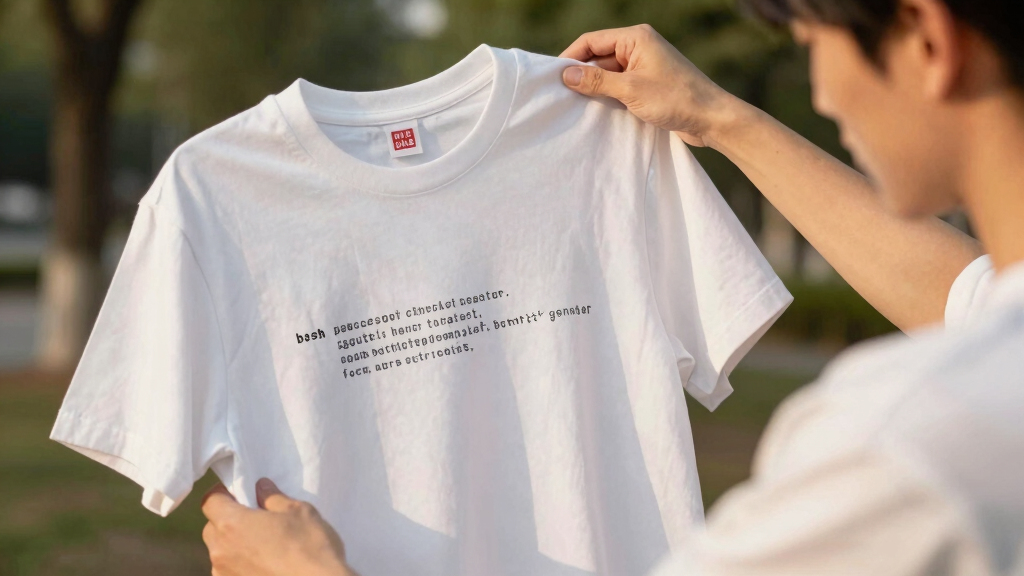
A T-shirt sold by Uniqlo features a hidden, obfuscated bash script. Tech experts have successfully decoded the script, uncovering its contents. The development raises questions about branding and digital privacy.
Tech analysts have successfully decoded an obfuscated bash script embedded within a design on a Uniqlo T-shirt. The discovery follows online speculation about hidden digital elements in apparel, highlighting potential concerns about privacy and branding.
The T-shirt, part of Uniqlo’s limited-edition collection, features a pattern that, upon closer inspection, contains a string of code resembling an obfuscated bash script. Experts from cybersecurity firm CyberDecode analyzed the script after a social media post drew attention to it. The decoded script appears to be a sequence of commands, but its exact purpose remains unclear, with some suggesting it could be a form of digital watermark or a playful easter egg.
Uniqlo has not officially commented on the discovery, nor confirmed whether the script was intentional or a manufacturing anomaly. The script’s obfuscation technique involves base64 encoding and variable renaming, common in hiding malicious or proprietary code. This has sparked debates about the implications of embedding such scripts in clothing designs, especially if the code could be executed or extracted via digital devices.
Potential Privacy and Branding Concerns from Embedded Scripts
This development raises questions about how digital elements are integrated into physical products and the potential for hidden code to affect user privacy or security. If such scripts are malicious or serve as digital identifiers, they could track or collect data from connected devices. The incident underscores the need for transparency in product design and raises awareness about embedded digital content in everyday objects.
As an affiliate, we earn on qualifying purchases.
Recent years have seen a rise in integrating digital features into clothing, such as RFID tags and QR codes. However, embedding executable code like bash scripts is uncommon and largely experimental. The discovery on the Uniqlo T-shirt is one of the first publicly documented cases of a script being embedded within a clothing pattern, prompting discussions on the boundaries of fashion and digital security.
Prior to this, similar experiments involved QR codes or NFC chips, but embedding obfuscated scripts is a novel approach that blurs the line between fashion and digital technology. Experts note that such practices could become more widespread if privacy concerns are addressed.
“We are currently investigating the matter and have no comment at this time.”
— Uniqlo spokesperson
Unclear Intent and Possible Risks of Embedded Code
It is not yet confirmed whether the script was intentionally embedded by Uniqlo as part of a digital art project or a security feature, or if it was an anomaly during manufacturing. The potential risks of executing or extracting the code from connected devices remain unassessed, and the full scope of its functionality is unknown.
Further Investigation and Industry Response Expected
Authorities and cybersecurity experts plan to examine similar products for embedded scripts. Uniqlo is expected to clarify whether this was an intentional design feature or a manufacturing error. Additionally, discussions about regulation and transparency in embedding digital content into physical products are likely to intensify.
Key Questions
What exactly is the script on the T-shirt?
The script appears to be an obfuscated bash command sequence, but its exact purpose remains unclear pending further analysis.
Could the embedded code harm my device?
It is currently unknown if the script is malicious or harmless. Experts recommend caution until its functionality is fully understood.
Why would a clothing brand embed code in their products?
Potential reasons include digital watermarking, security features, or artistic expression. The intent behind this specific case is still under investigation.
Is this a common practice in fashion?
No, embedding executable scripts is uncommon and largely experimental. Most digital features in apparel involve non-executable elements like RFID or QR codes.
Will Uniqlo address this publicly?
It is expected that Uniqlo will release a statement after completing their investigation, clarifying whether the script was intentional or accidental.
Source: hn
NFL season / tailgating Picks
team gear
As an affiliate, we earn on qualifying purchases.