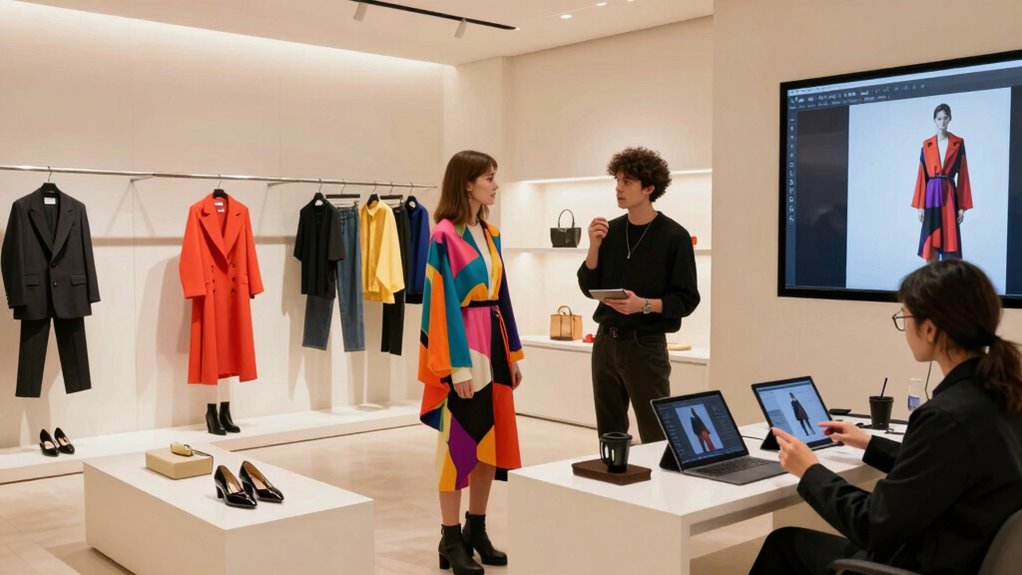

Direct-to-consumer brands have shifted the fashion conversation by putting you at the center, cutting out middlemen, and emphasizing transparency and sustainability. You gain direct access to brands that share detailed info about sourcing and ethical practices, making your choices more informed and responsible. This approach also invites your involvement through feedback, customization, and loyalty, creating a more personal shopping experience. If you want to discover how this shift influences your style and values, keep exploring the full story.

Get your wardrobe favorites delivered free with Prime
- Fast, free delivery on millions of items
- Prime Video, Amazon Music and more included
- Member-only deals all year
Key Takeaways
- DTC brands eliminate middlemen, fostering direct communication and transparency with consumers.
- Consumers can access detailed sourcing and manufacturing information, enabling informed, values-driven purchases.
- Digital platforms facilitate storytelling around sustainability, building trust and enhancing brand credibility.
- Enhanced customer involvement through feedback and customization shapes product offerings and industry standards.
- The shift promotes responsible practices, emphasizing sustainability, ethical production, and societal impact.
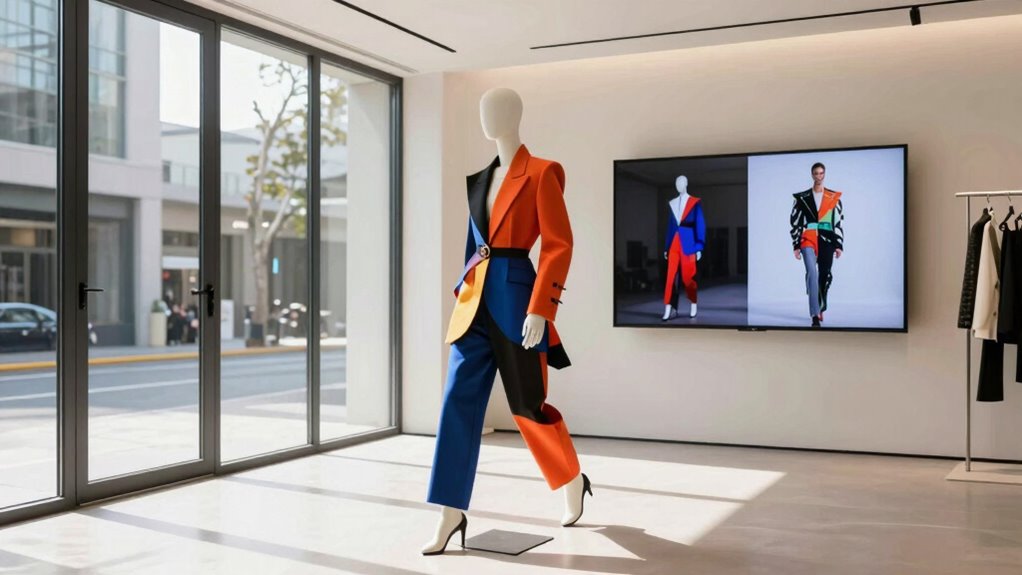
Direct-to-consumer (DTC) brands are transforming the fashion industry by cutting out traditional retail middlemen and connecting directly with customers. This shift allows you to access brands that prioritize transparency and sustainability, making it easier to align your shopping choices with your values. As a result, sustainable innovation becomes a core focus for DTC brands, who are leveraging new materials, eco-friendly manufacturing processes, and innovative designs to reduce environmental impact. Instead of relying on mass production with little regard for sustainability, these brands listen to your needs and preferences, creating products that are both stylish and eco-conscious. This approach pushes the entire industry towards more responsible practices, and you, as a consumer, become a catalyst for this change.
DTC brands innovate with sustainable materials, eco-friendly processes, and customer-driven designs, reshaping fashion responsibly.
The direct relationship between brands and customers also empowers you in ways that traditional retail couldn’t. You get to see firsthand how your purchase influences a company’s practices, fostering a sense of customer empowerment. DTC brands often involve you in their development process through feedback, pre-orders, or customization options. This not only makes your voice heard but also ensures that the products you receive are more tailored to your tastes. You’re no longer just a passive buyer; you actively shape the brands you support. This shift in power dynamics makes fashion more personal and meaningful, encouraging brands to prioritize quality, durability, and ethical production, knowing that your loyalty depends on these factors. Customer engagement also helps brands to better understand evolving consumer preferences and adapt accordingly. Additionally, the use of digital platforms allows brands to share detailed information about their sourcing and manufacturing practices, fostering greater transparency. As more brands adopt sustainable practices, the industry as a whole is moving towards a more environmentally responsible future.
Furthermore, the historical context of citizen movements demonstrates how collective action can lead to significant societal change, paralleling how consumer demand is now driving industry shifts toward sustainability. Moreover, DTC brands use digital platforms to tell compelling stories about their commitment to sustainability and transparency. You can easily access detailed information about sourcing, manufacturing, and environmental impact, which wasn’t possible through traditional retail channels. This access allows you to make more informed decisions, choosing brands that truly align with your values. You can also explore the importance of color accuracy and other technical factors to better understand how products are made and how they perform. As you become more aware of the environmental and social implications of your purchases, you’re motivated to support brands that innovate sustainably and prioritize ethical practices. This transparency fosters trust and deepens your connection to the brands you love.
In essence, DTC brands have changed the conversation in fashion by making it more transparent, sustainable, and participatory. You’re no longer just a consumer but an active participant in shaping industry standards. Your demand for sustainable innovation and ethical practices drives brands to evolve faster, creating a more responsible and inclusive fashion landscape. This direct connection empowers you to make smarter, more conscious choices, ultimately redefining what it means to be a fashionable and responsible shopper in today’s world.
As an affiliate, we earn on qualifying purchases.
Frequently Asked Questions
How Does DTC Impact Traditional Retail Stores?
DTC impacts traditional retail stores by shifting customer loyalty towards brands that prioritize transparency and direct relationships. You find DTC brands offer better transparency about sourcing and pricing, encouraging you to trust and stay loyal. This reduces foot traffic in brick-and-mortar stores, forcing them to innovate and focus on personalized experiences. Ultimately, DTC challenges traditional retail to adapt or risk losing relevance in a consumer-driven, transparent market.
What Are the Biggest Challenges for DTC Fashion Brands?
You face the challenge of maintaining brand loyalty as customer engagement shifts online. DTC brands often struggle to build deep connections without physical stores, making it harder to foster trust and loyalty. Staying innovative and personalized is key, but it’s tough to keep customers engaged consistently. Balancing data-driven insights with authentic storytelling helps, yet the competition for attention makes it difficult to stand out and retain your audience.
How Does DTC Influence Fashion Innovation and Trends?
You see DTC brands gently shaping fashion innovation through personalization trends and heightened consumer engagement. By listening closely to customer preferences, they craft unique styles that set new trends without the noise of traditional channels. This close connection fosters rapid idea sharing, inspiring fresh designs and pushing the industry forward. Ultimately, DTC’s focus on personalized experiences transforms fashion into a more dynamic, responsive, and trend-setting space.
What Role Does Social Media Play in DTC Fashion Marketing?
Social media plays a vital role in DTC fashion marketing by amplifying influencer collaborations and encouraging user-generated content. You see brands partner with influencers to reach targeted audiences quickly and authentically, while user content builds trust and community. This direct engagement allows you to discover new trends, give feedback, and feel connected to brands. Overall, social media creates a dynamic, interactive space that boosts brand visibility and fosters loyalty in DTC fashion.
How Sustainable Are DTC Fashion Brands Overall?
You might notice that DTC fashion brands are becoming more sustainable, but their overall impact varies. For example, a brand using sustainable materials and ethical production practices reduces environmental harm and supports fair labor. However, some still face challenges like fast fashion tendencies or supply chain transparency issues. While many DTC brands are making strides toward sustainability, it’s essential to research each brand’s commitments to truly understand their environmental and social impact.
Conclusion
As the curtains fall on traditional retail, you realize the stage has shifted, echoing the whispers of a new era—like a phoenix rising from ashes. Direct-to-consumer isn’t just a trend; it’s a revolution, rewriting the script of fashion’s story. With every click, you’re part of this dance, shaping a world where transparency and connection take center stage. Embrace the change, for in this new chapter, you hold the power to redefine style itself.
Halloween Picks
halloween
As an affiliate, we earn on qualifying purchases.