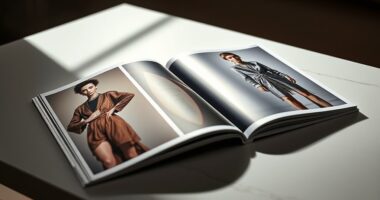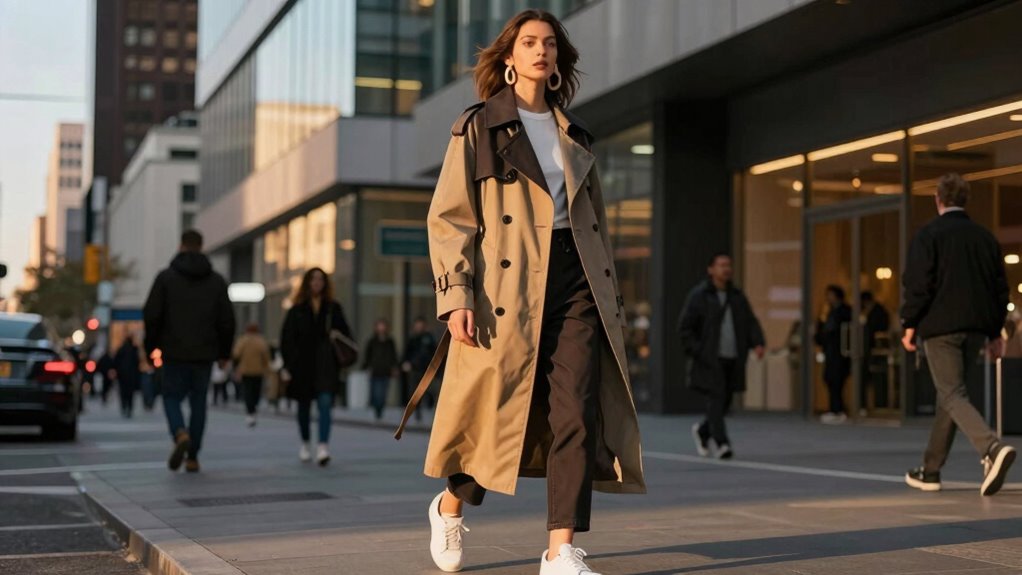

To build a current fashion portfolio, focus on showcasing diverse models that reflect different styles and backgrounds to appeal to a broader audience. Keep your work fresh by regularly updating with new projects, incorporating latest trends, and experimenting with bold colors and innovative concepts. Curate your best images to maintain clarity and quality while pushing creative boundaries. Staying relevant means evolving with industry shifts—continue exploring ways to keep your portfolio vibrant and authentic as you progress.
Key Takeaways
- Regularly update your portfolio with fresh, trending work that reflects current industry styles and techniques.
- Incorporate innovative concepts and emerging fashion movements to stay ahead of industry shifts.
- Use a cohesive color palette and curated editing to maintain a modern, professional aesthetic.
- Showcase diverse models and styles to appeal to today’s inclusive, broad audience.
- Balance high-quality images with creative experimentation to demonstrate versatility and relevance.

Are you ready to showcase your unique style and skills? Building a fashion portfolio that feels current requires more than just a collection of pretty pictures. It’s about demonstrating your ability to stay relevant in a fast-evolving industry while highlighting your creative eye. First, focus on model diversity. A modern portfolio should reflect a wide range of styles, backgrounds, and body types. This doesn’t mean you have to include every possible look, but it does mean showcasing your versatility. When clients see a variety of models, they recognize your capacity to handle different projects and appeal to a broader audience. It also shows that you’re conscious of inclusivity, which is increasingly important in today’s fashion landscape.
Showcase diversity in models to demonstrate versatility and appeal to a broader, more inclusive audience.
Next, pay attention to color coordination. Your images should tell a cohesive story, and that starts with thoughtful color choices. Use color to create mood, contrast, and harmony within your portfolio. Incorporate a palette that aligns with your personal style but also pushes your boundaries. Experiment with bold, unexpected combinations and subtle shades—both can demonstrate your understanding of color theory. When selecting images, think about how the colors work together across different shoots. A well-curated color scheme helps your portfolio feel unified and professional, making it easier for potential clients or agencies to see your visual identity.
Additionally, staying current means continually updating your content. Don’t let your portfolio stagnate; regularly add fresh work that reflects the latest trends and your evolving skills. Keep an eye on industry shifts, such as new styling techniques or emerging fashion movements, and incorporate these elements into your shoots. While it’s essential to showcase your unique perspective, staying aware of what’s trending ensures your portfolio remains relevant and compelling. Incorporating sound healing science or other innovative concepts can also inspire fresh visual narratives that set you apart creatively. Furthermore, understanding how natural elements influence the aesthetic can help you create more authentic and compelling images that resonate with modern audiences.
Finally, edit your work ruthlessly. Only include images that truly represent your best effort and align with your vision. Avoid clutter and aim for a balanced mix of close-ups, full-body shots, and editorial-style images. Each photo should serve a purpose, whether it’s highlighting your ability to work with different styles, demonstrating model diversity, or showcasing your talent for color coordination. Remember, quality always trumps quantity. A well-curated, cohesive portfolio that captures your current skills and aesthetic will stand out in a competitive industry. Keep pushing boundaries, stay authentic, and your portfolio will continue to feel fresh and relevant.
professional fashion portfolio photography
As an affiliate, we earn on qualifying purchases.
As an affiliate, we earn on qualifying purchases.
Frequently Asked Questions
How Often Should I Update My Fashion Portfolio?
You should update your fashion portfolio every six to twelve months to stay current. Regular updates showcase your evolving style, model diversity, and ability to coordinate colors effectively. Incorporate new looks, trends, and diverse models to reflect your growth and versatility. Frequent updates help you stand out, demonstrate your commitment to staying fresh, and guarantee your portfolio remains a true reflection of your latest work and fashion sense.
What Are the Best Platforms to Showcase My Portfolio Online?
You should showcase your fashion portfolio on platforms like Behance, Instagram, and your own website to enhance your digital presentation and strengthen your fashion branding. These platforms allow you to reach a broad audience and demonstrate your style and versatility. Focus on curating a cohesive, visually appealing digital presentation that highlights your best work. Regular updates keep your portfolio fresh, relevant, and reflective of current fashion trends.
How Many Images Should I Include in My Fashion Portfolio?
For a compelling fashion portfolio, include around 12 to 20 images that showcase your versatility. Balance model diversity to highlight different looks and styles, and use a cohesive color palette to create visual harmony. Prioritize quality over quantity, ensuring each shot tells a story. This strategic selection helps express your unique style, demonstrates your eye for detail, and keeps your portfolio fresh, focused, and fashionable for current trends.
Should I Include Behind-The-Scenes or Conceptual Shots?
Yes, include both behind-the-scenes and conceptual shots in your portfolio. Behind-the-scenes photos add authenticity, showing your process and real moments, while conceptual storytelling highlights your creativity and vision. Combining these elements creates a well-rounded collection that demonstrates your technical skills and unique perspective. This mix helps potential clients or employers see your authentic approach and artistic depth, making your portfolio both engaging and current.
How Do I Tailor My Portfolio for Different Fashion Niches?
Want your portfolio to stand out in different fashion niches? You need to showcase styling versatility and tailor your edits to each niche’s vibe. Start by selecting images that highlight specific skills—whether high fashion, streetwear, or editorial. Adjust your editing style accordingly, emphasizing details that resonate with each niche’s aesthetics. This strategic approach keeps your portfolio fresh, relevant, and irresistible to clients or brands targeting diverse fashion markets.
Conclusion
Building a fashion portfolio that feels current takes dedication, creativity, and a keen eye for trends. Keep experimenting, stay authentic to your style, and don’t be afraid to push boundaries. Remember, Rome wasn’t built in a day, so patience is key. With persistence and passion, you’ll craft a portfolio that not only stands out but truly reflects who you are as a designer. Stay the course, and success will follow suit.