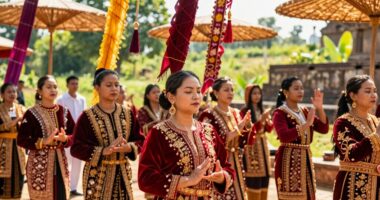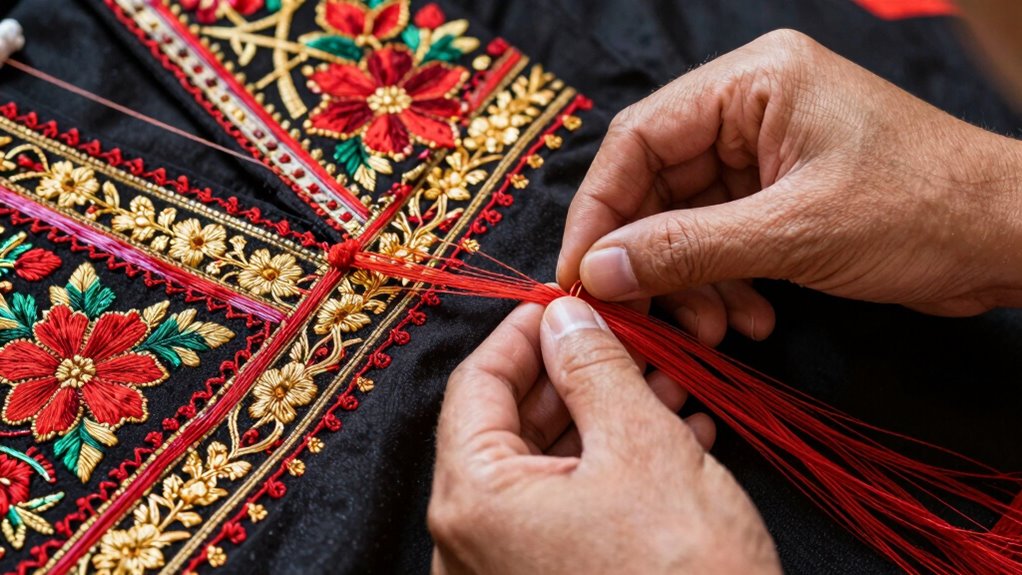

Craftsmanship in cultural clothing helps preserve unique techniques like hand weaving, embroidery, and dyeing that connect you to your community’s history. When you support these skills, you keep traditions alive and honor artisans’ dedication and stories. Handmade garments are not only beautiful and authentic but also environmentally friendly, promoting sustainability. By valuing this craftsmanship, you protect cultural identity and pride. If you keep exploring, you’ll uncover even more why these traditions truly matter.
Open a free Amazon Business account
Business pricing, bulk buying and tax-exempt orders.
As an affiliate, we earn on qualifying purchases.
Key Takeaways
- Craftsmanship preserves cultural techniques and stories, maintaining a connection to ancestral heritage.
- Handmade garments are unique, reflecting artisans’ skills and cultural identities.
- Traditional methods are environmentally friendly, promoting sustainable and low-impact fashion practices.
- Supporting craftsmanship sustains artisan livelihoods and strengthens local economies.
- Handcrafted clothing fosters cultural pride and safeguards diverse cultural expressions in a globalized world.
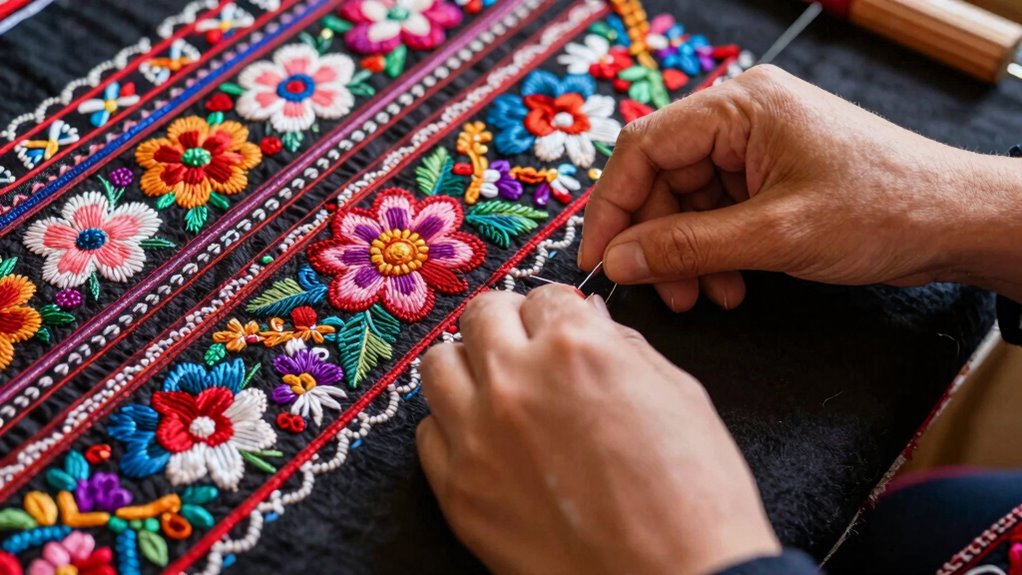
Your appreciation for these traditions deepens when you understand the craftsmanship behind them. Textile techniques such as hand weaving, embroidery, dyeing, and beadwork are often intricate and require years of practice. These techniques are not simply skills but are cultural expressions that connect communities to their ancestors. When artisans create with these methods, they’re keeping alive a legacy that might otherwise fade into history. The precision and patience involved reveal a level of dedication that machine-made clothes can’t replicate. Each piece becomes a work of art, embodying stories, symbolism, and cultural values. Incorporating traditional craftsmanship into clothing not only preserves unique techniques but also supports sustainable practices and local economies. Understanding the traditional textile techniques involved enhances appreciation for the artisans’ expertise and the cultural significance embedded in each garment. Recognizing the importance of artisan skills helps to foster respect for the craft and the cultural context from which these garments originate.
By valuing craftsmanship, you acknowledge the importance of artisan skills in maintaining authenticity. Every handmade garment is unique, reflecting the personality and cultural background of the artisan. You can see it in the subtle variations in pattern, the choice of colors, and the way each thread is woven or sewn. These details demonstrate a commitment to quality and tradition, making the clothing more meaningful than mere fashion. When you wear or admire such pieces, you’re participating in a cultural dialogue that honors centuries of knowledge and practice. Furthermore, handcrafted techniques often involve environmentally friendly methods that reduce ecological impact, emphasizing the importance of sustainability. Recognizing these sustainable practices can also strengthen consumer support for ethical fashion. Supporting craftsmanship also means supporting the communities who keep these traditions alive. Many artisans rely on their skills for livelihood, and your appreciation can help sustain their work. Choosing authentic, handcrafted clothing over mass-produced fashion encourages the preservation of textile techniques and artisan skills. It’s a way of respecting cultural diversity and ensuring that these traditions continue to thrive in a modern world. Ultimately, craftsmanship in cultural clothing isn’t just about aesthetics; it’s about safeguarding identity, fostering cultural pride, and recognizing the importance of human skill in a fast-changing global landscape.
As an affiliate, we earn on qualifying purchases.
Frequently Asked Questions
How Does Craftsmanship Influence the Durability of Cultural Clothing?
Craftsmanship directly affects the durability of cultural clothing by ensuring proper textile preservation and skilled dye techniques. When you pay attention to the quality of materials and craftsmanship, your garments resist wear and tear longer. Expert dye techniques help colors stay vibrant over time, preventing fading. By valuing craftsmanship, you maintain the integrity of traditional clothing, allowing it to be passed down through generations while preserving cultural heritage and ensuring longevity.
What Skills Are Essential for Traditional Clothing Craftsmanship?
Imagine weaving magic into fabric—your essential skills are embroidery techniques and dyeing processes. You need to master intricate stitches and color application, turning simple cloth into cultural art. Precision in embroidery brings tradition alive, while expertise in dyeing ensures authentic hues endure. These skills, like a well-tuned orchestra, harmonize craftsmanship with tradition, preserving cultural stories woven into every thread you craft.
How Are Artisans Preserved in Modern Cultural Clothing Practices?
You help preserve artisans in modern cultural clothing practices by supporting their work and promoting artisan techniques. When you choose handmade, traditional garments, you directly contribute to cultural preservation. Sharing their stories and craftsmanship raises awareness, ensuring these skills are valued and passed down. Your appreciation and purchases keep these artisans active, safeguarding cultural heritage and maintaining the authenticity of traditional clothing practices for future generations.
What Materials Are Typically Used in Handcrafted Cultural Garments?
Did you know over 80% of handcrafted cultural garments use natural fibers? You’ll find that fabric selection often includes cotton, silk, wool, or hemp, chosen for their durability and cultural significance. Dyeing techniques, like indigo or botanical dyes, add vibrant colors and intricate patterns. These materials and methods preserve traditional craftsmanship, ensuring each garment reflects cultural identity and artisanal skill, connecting you to centuries-old heritage.
How Does Craftsmanship Impact the Cultural Significance of Attire?
Craftsmanship deeply impacts the cultural significance of attire by preserving cultural identity and highlighting artistic expression. When you appreciate the skill involved, you see how each stitch and detail tells a story, connecting you to traditions passed through generations. This dedication honors cultural heritage, making the clothing more than fabric—it’s a symbol of community, history, and pride. Your respect for craftsmanship enriches your understanding of the cultural importance behind these garments.
Conclusion
As you appreciate the intricate craftsmanship behind cultural clothing, remember it’s more than just fabric and thread—it’s a story waiting to be uncovered. Every stitch, pattern, and detail holds a piece of history, tradition, and identity. But what happens when these skills fade away? The future of these traditions depends on whether you choose to value and preserve them now. The true significance of craftsmanship might just surprise you—are you ready to discover it?
Fall Picks
fall essentials
As an affiliate, we earn on qualifying purchases.