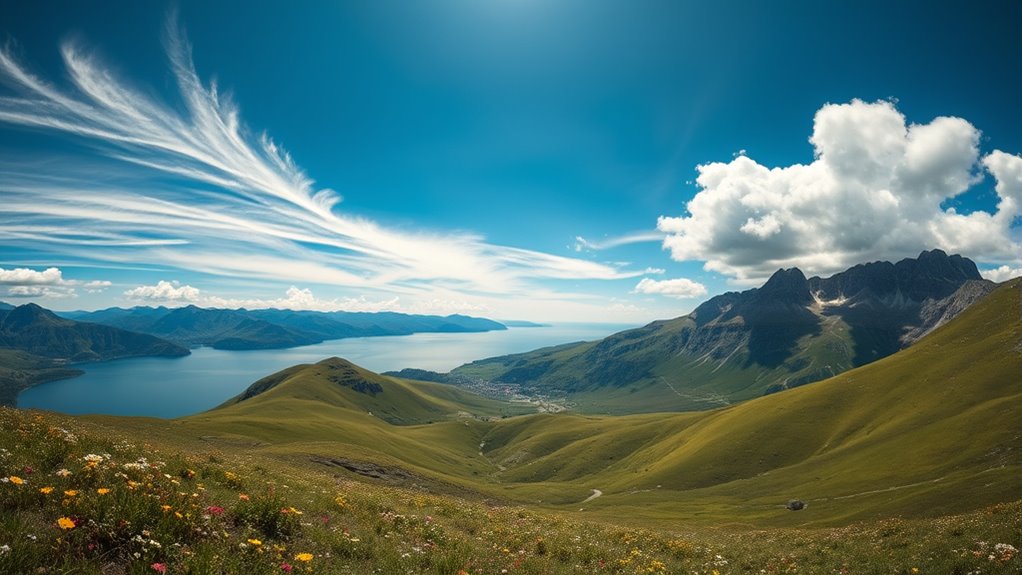

Choosing the right wide angle lens is essential for landscape pros who want to capture expansive scenes with clarity and detail. The best options balance sharpness, build quality, and focal range, but tradeoffs exist—some lenses offer broader coverage at the expense of aperture speed, while others excel for portability but lack versatility. The OM SYSTEM Olympus M.Zuiko Digital ED 8-25mm F4.0 PRO stands out as the overall top pick for its sharpness and solid build. Meanwhile, the Canon EF 11-24mm f/4L USM offers exceptional wide coverage for Canon DSLR users, and the Olympus M.Zuiko Digital ED 7-14mm F2.8 PRO is ideal for those prioritizing low-light performance. Continue reading for a detailed breakdown of these options and more, to find the perfect fit for your landscape photography needs.

Get your wardrobe favorites delivered free with Prime
- Fast, free delivery on millions of items
- Prime Video, Amazon Music and more included
- Member-only deals all year
Key Takeaways
- Top picks are distinguished by their balance of sharpness, focal range, and build quality suitable for landscape work.
- Aperture speed varies; wider apertures like f/2.8 are better for low-light conditions but tend to be more expensive.
- Micro Four Thirds lenses are more compact and lighter, but often have narrower fields of view compared to full-frame options.
- Zoom lenses offer versatility for changing compositions, while prime ultra-wide options excel in sharpness and low-light performance.
- Price differences reflect build quality, lens durability, and optical excellence—invest accordingly based on your landscape needs.
| OM SYSTEM Olympus M.Zuiko Digital ED 8-25mm F4.0 PRO Micro Four Thirds Lens |  | Best Overall Wide Angle Lens for Micro Four Thirds Landscape Pros | Focal Length: 8-25mm | Maximum Aperture: F4.0 | Lens Mount: Micro Four Thirds | VIEW ON AMAZON | See Our Full Breakdown |
| Canon EF 17-40mm f/4L USM Ultra Wide Angle Zoom Lens for Canon SLR Cameras |  | Best for Versatility and Optical Quality in Full-Frame Systems | Focal Length: 17-40mm | Maximum Aperture: f/4 | Closest Focusing Distance: 0.9 feet | VIEW ON AMAZON | See Our Full Breakdown |
| OM SYSTEM Olympus M.Zuiko Digital ED 8-25mm F4.0 PRO Lens for Micro Four Thirds Camera |  | Best for Portability and Versatility in Micro Four Thirds Systems | Focal Length: 8-25mm | Maximum Focal Length: 25mm | Minimum Focal Length: 8mm | VIEW ON AMAZON | See Our Full Breakdown |
| Olympus M.Zuiko Digital ED 7-14mm f/2.8 PRO Lens for Micro Four Thirds Cameras (Renewed) |  | Best for Ultra-Wide, Fast Aperture Landscape and Architecture Photography | Focal Length: 7-14mm | Maximum Aperture: f/2.8 | Lens Elements: 3 Super ED, 1 ED, 2 to diminish aberrations | VIEW ON AMAZON | See Our Full Breakdown |
| Canon EF 11-24mm f/4L USM Lens |  | Best for Professional-Grade Ultra-Wide Perspectives | VIEW ON AMAZON | See Our Full Breakdown | |||
| 10-18mm F2.8 DC DN Lens for E Mount |  | Best Compact Ultra-Wide for APS-C Landscapes | Focal Length: 10-18mm | Aperture: F2.8 | Compatibility: E Mount | VIEW ON AMAZON | See Our Full Breakdown |
| Canon RF 16mm F2.8 STM Lens, Ultra Wide-Angle Prime for EOS R Series |  | Best for Compact, Versatile Full-Frame Landscapes | Focal Length: 16mm | Maximum Aperture: f/2.8 | Minimum Aperture: f/16 | VIEW ON AMAZON | See Our Full Breakdown |
| Sigma 10-20mm f/3.5 EX DC HSM ELD SLD Super Wide Angle Lens for Canon DSLR Cameras (Renewed) |  | Best Budget Zoom for Canon DSLR Landscapes | Focal Length: 10-20mm | Maximum Aperture: f/3.5 | Compatibility: Canon DSLR | VIEW ON AMAZON | See Our Full Breakdown |
| Olympus M.Zuiko Digital ED 7-14mm F2.8 PRO Ultra Wide Angle Zoom Lens for Micro Four Thirds |  | Best Premium for Micro Four Thirds Landscape Pros | Focal Length: 7-14mm | Aperture: F2.8 | Format: Micro Four Thirds | VIEW ON AMAZON | See Our Full Breakdown |
| Xenvo Pro Lens Kit for Smartphones with LED Light and Travel Case | 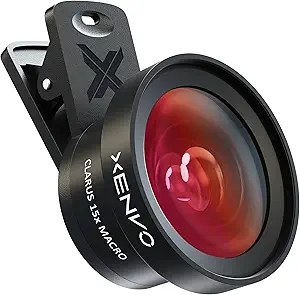 | Best for Mobile Landscape Enthusiasts | Compatibility: All smartphones, tablets | Wide Angle Focal Length: 4.1 mm | Macro Magnification: 15x | VIEW ON AMAZON | See Our Full Breakdown |
| wide angle lenses for landscape pro | Focal Length | Maximum Aperture |
|---|---|---|
| OM SYSTEM Olympus M.Zuiko Digi | 8-25mm | F4.0 |
| Canon EF 17-40mm f/4L USM Ultr | 17-40mm | f/4 |
| OM SYSTEM Olympus M.Zuiko Digi | 8-25mm | — |
| Olympus M.Zuiko Digital ED 7-1 | 7-14mm | f/2.8 |
| Canon EF 11-24mm f/4L USM Lens | — | — |
| 10-18mm F2.8 DC DN Lens for E | 10-18mm | — |
| Canon RF 16mm F2.8 STM Lens | 16mm | f/2.8 |
| Sigma 10-20mm f/3.5 EX DC HSM | 10-20mm | f/3.5 |
| Olympus M.Zuiko Digital ED 7-1 | 7-14mm | — |
| Xenvo Pro Lens Kit for Smartph | — | — |
More Details on Our Top Picks
OM SYSTEM Olympus M.Zuiko Digital ED 8-25mm F4.0 PRO Micro Four Thirds Lens
This lens stands out for its exceptional combination of compact size and high-resolution performance, making it ideal for landscape photographers who need a versatile zoom without the bulk of larger lenses. Compared to the Olympus M.Zuiko Digital ED 7-14mm F2.8 PRO, it offers a broader focal range with a constant F4 aperture, though it trades off some low-light capability. Its weather sealing and advanced coatings ensure durability in outdoor conditions, but the F4 maximum aperture limits performance in dim environments. It’s a perfect choice for those prioritizing portability and weather resistance, but the higher price might deter casual users. If you want a reliable, high-quality wide zoom for travel or outdoor landscapes, this lens delivers.
Pros:- Compact and lightweight for easy portability
- Weather-sealed for durability in outdoor conditions
- High-resolution optical performance
Cons:- F4 maximum aperture may be limiting in low-light situations
- Premium price point could be a barrier for some
Best for: Micro Four Thirds landscape photographers who need a lightweight, weather-sealed zoom with high optical quality.
Not ideal for: Photographers shooting primarily in low light or requiring the fastest apertures, due to its F4 limit.
- Focal Length:8-25mm
- Maximum Aperture:F4.0
- Lens Mount:Micro Four Thirds
- Construction:16 elements in 10 groups
- Minimum Shooting Distance:0.23m
- Weather Sealed:Yes
Our verdict“This lens suits landscape pros using Micro Four Thirds systems who value portability and weather resistance over ultra-fast apertures.”
Canon EF 17-40mm f/4L USM Ultra Wide Angle Zoom Lens for Canon SLR Cameras
This lens excels in delivering superior optical clarity and versatile focal coverage, making it a strong choice for landscape shooters on Canon full-frame bodies. Compared to the Canon RF 16mm F2.8 STM, it offers a broader zoom range, but it’s bulkier and heavier, which could be a concern for mobile shooters. Its constant F4 aperture provides decent low-light performance, yet it won’t match the speed of wider apertures for night or interior work. The USM autofocus is fast and quiet, ideal for capturing fleeting moments in nature, but the fixed aperture limits adaptability in very low light conditions. For those needing robust optical quality with weather resistance on a full-frame system, this lens is a solid option.
Pros:- Excellent optical quality with superior glass elements
- Constant F4 aperture supports consistent exposure
- Weather-resistant design suitable for outdoor shooting
Cons:- Heavy and bulky compared to more compact lenses
- Limited maximum aperture of F4 may hinder low-light performance
Best for: Landscape shooters using Canon EF-mount cameras who seek a durable, high-quality wide zoom for outdoor environments.
Not ideal for: Travel photographers needing the lightest, most compact lens, as this one is relatively bulky and heavy.
- Focal Length:17-40mm
- Maximum Aperture:f/4
- Closest Focusing Distance:0.9 feet
- Filter Size:77mm
- Weather-Resistant:Yes
- Autofocus:USM
Our verdict“Ideal for Canon EF users seeking a reliable, weather-sealed wide zoom with excellent optical performance for landscapes.”
OM SYSTEM Olympus M.Zuiko Digital ED 8-25mm F4.0 PRO Lens for Micro Four Thirds Camera
This version of the 8-25mm PRO lens offers a similar high-quality zoom range but emphasizes portability with a compact, lightweight design. It surpasses the Olympus M.Zuiko Digital ED 7-14mm F2.8 PRO in size, though it still provides excellent optical performance and weather sealing. Its advanced coatings and autofocus capabilities make it suitable for various landscape scenarios, but like its sibling, the F4 aperture limits low-light performance. Its smaller size and digital stabilization options make it ideal for travel or hiking, but some users may find autofocus noise during videography a drawback. Overall, this lens balances performance and portability for dedicated Micro Four Thirds landscape enthusiasts.
Pros:- Compact and lightweight for easy carrying
- Weather-sealed construction for outdoor durability
- Versatile 8-25mm focal range
Cons:- F4 maximum aperture limits low-light capabilities
- Some autofocus noise in video mode
Best for: Travel and outdoor landscape photographers using Micro Four Thirds cameras who prioritize a lightweight, weather-sealed zoom.
Not ideal for: Low-light or astrophotography enthusiasts, because of the F4 aperture and autofocus noise issues.
- Focal Length:8-25mm
- Maximum Focal Length:25mm
- Minimum Focal Length:8mm
- Lens Design:Zoom
- Focus Type:Auto Focus
- Weather Resistance:Dust and Splashproof
Our verdict“This lens is perfect for Micro Four Thirds users needing a portable, weatherproof wide zoom for daytime landscapes.”
Olympus M.Zuiko Digital ED 7-14mm f/2.8 PRO Lens for Micro Four Thirds Cameras (Renewed)
This lens offers a wider perspective with an impressive F2.8 aperture, making it ideal for capturing expansive landscapes and detailed architecture. Compared to the 8-25mm PRO, it sacrifices zoom flexibility for a wider, faster view, but the manual focus clutch and multiple ED elements help reduce aberrations for sharp images. Its splash and dustproof build enhances durability in challenging outdoor conditions. However, the manual focus clutch may require some getting used to, and the absence of image stabilization can be a drawback for handheld shooting. For landscape pros prioritizing ultra-wide views and bright apertures, this lens excels, particularly in low-light or night scenes.
Pros:- Wide-angle view perfect for landscapes and architecture
- Fast F2.8 aperture for low-light shooting
- Splash and dustproof for outdoor reliability
Cons:- Manual focus clutch may be less convenient for some
- No built-in image stabilization
Best for: Landscape and architecture photographers who need an ultra-wide, fast lens with rugged durability on Micro Four Thirds systems.
Not ideal for: Those who prefer autofocus or need zoom flexibility, as this lens is manual focus and fixed at 7-14mm.
- Focal Length:7-14mm
- Maximum Aperture:f/2.8
- Lens Elements:3 Super ED, 1 ED, 2 to diminish aberrations
- Closest Focusing Distance:just under 7.5 cm
- Weight:60% of full-frame 35mm lens
Our verdict“This lens is best suited for landscape professionals needing ultra-wide, bright optics on Micro Four Thirds bodies, despite some manual focus limitations.”
Canon EF 11-24mm f/4L USM Lens
This lens delivers an expansive ultra-wide view with exceptional optical quality, making it ideal for large-scale landscapes and interior shots. Compared to the 17-40mm f/4L, it offers a wider starting point at 11mm, providing more dramatic perspectives, though it’s significantly heavier and bulkier, which can hinder mobility. The advanced optical elements and coatings effectively combat flare and ghosting, ensuring clarity even in challenging lighting conditions. Its full-time manual focus feature adds precision, but the high price and weight can be prohibitive for some users. For professionals or serious enthusiasts seeking the widest possible view with top-tier image quality, this lens is a compelling choice despite its size.
Pros:- Extremely wide field of view for dramatic landscapes
- Advanced optical design reduces aberrations and distortions
- Coatings minimize flare and ghosting
Cons:- Heavy and bulky compared to other wide lenses
- Higher price point limits accessibility
Best for: Landscape or interior photographers who require the widest possible view on Canon EF cameras and don’t mind the weight.
Not ideal for: Travel or hiking photographers needing a lightweight, compact lens, due to its bulk and weight.
Our verdict“This lens is suited for professionals seeking maximum ultra-wide coverage and top image quality on Canon EF cameras, despite its bulk.”
10-18mm F2.8 DC DN Lens for E Mount
This ultra-wide zoom lens stands out for its large F2.8 aperture and lightweight design, making it ideal for landscape pros who need mobility and expressive imagery. Compared with the Olympus 7-14mm F2.8 PRO, it offers a more versatile zoom range but is limited to APS-C sensors, which means it won’t work on full-frame cameras. The absence of image stabilization could be a concern for handheld shots, especially in low light. Its potential distortion at wide angles requires correction in post-processing but remains a strong choice for those prioritizing portability and bright apertures for outdoor conditions.
Pros:- Large F2.8 aperture for better low-light performance
- Compact and lightweight for on-the-go shooting
- Versatile zoom for landscape and travel photography
Cons:- Limited to APS-C camera systems
- No image stabilization, which can affect handheld shots
- Potential distortion at extreme wide angles
Best for: Landscape photographers using APS-C mirrorless cameras who value a compact, bright lens for travel-friendly setups.
Not ideal for: Full-frame shooters or those needing built-in stabilization for handheld landscape shots, as this lens lacks stabilization and is restricted to APS-C bodies.
- Focal Length:10-18mm
- Aperture:F2.8
- Compatibility:E Mount
- Lens Type:Ultra-wide-angle zoom
Our verdict“This lens suits landscape enthusiasts with APS-C cameras who want a bright, portable wide-angle option.”
Canon RF 16mm F2.8 STM Lens, Ultra Wide-Angle Prime for EOS R Series
This prime lens offers an expansive 108-degree view with a bright F2.8 aperture, making it ideal for landscape pros who want sharp, detailed images with a lightweight profile. Unlike the Sigma 10-20mm f/3.5, which provides zoom flexibility, this lens’s fixed focal length encourages composition discipline but limits framing options. Its digital image stabilization enhances handheld shots, although it doesn’t have optical stabilization, so users should consider tripod use in tricky lighting. Its quiet autofocus and compact design make it perfect for both stills and vlogging with EOS R cameras.
Pros:- Ultra-wide 108-degree field of view for dramatic landscapes
- Bright F2.8 aperture ideal for low-light or creative depth of field
- Compact, lightweight design for travel and handheld shooting
- Smooth autofocus suited for video
Cons:- Fixed focal length limits framing options
- No optical image stabilization (digital only)
- Limited to Canon RF mount cameras
Best for: Full-frame landscape photographers who prioritize portability, sharpness, and low-light capability in a prime lens.
Not ideal for: Photographers needing zoom flexibility or working with non-RF mount cameras, as this lens is exclusive to Canon RF systems and lacks optical stabilization.
- Focal Length:16mm
- Maximum Aperture:f/2.8
- Minimum Aperture:f/16
- Field of View:108 degrees
Our verdict“This prime lens is perfect for Canon RF users seeking a compact, sharp ultra-wide for landscape and video work.”
Sigma 10-20mm f/3.5 EX DC HSM ELD SLD Super Wide Angle Lens for Canon DSLR Cameras (Renewed)
The Sigma 10-20mm f/3.5 offers a consistent aperture and a versatile zoom range, making it a solid choice for landscape photographers on a budget. Compared to the Olympus 7-14mm F2.8 PRO, it provides a broader focal length span at a lower cost, especially in renewed condition. The constant f/3.5 aperture ensures steady exposure across zooms but is not as fast as F2.8 lenses, which can limit low-light performance. While the refurbished status offers good value, it may have minor cosmetic imperfections, and its bulkier profile could be a drawback for hikers or travelers seeking a lighter kit.
Pros:- Wide zoom range from 10-20mm for varied compositions
- Constant f/3.5 aperture for consistent exposure
- Refurbished with warranty, offering good value
Cons:- Bulkier and heavier than prime lenses
- Refurbished products may have minor cosmetic issues
- Requires compatibility with Canon DSLR bodies
Best for: Budget-conscious landscape shooters with Canon DSLRs seeking a wide-angle zoom that balances cost and performance.
Not ideal for: Those who need the fastest apertures or a smaller, lighter lens, as the Sigma is relatively bulky and does not match the brightness of F2.8 options.
- Focal Length:10-20mm
- Maximum Aperture:f/3.5
- Compatibility:Canon DSLR
- Filter Size:82mm
Our verdict“This Sigma zoom is a practical choice for budget-minded Canon DSLR users wanting a versatile wide-angle lens.”
Olympus M.Zuiko Digital ED 7-14mm F2.8 PRO Ultra Wide Angle Zoom Lens for Micro Four Thirds
This Olympus PRO lens delivers superb image quality and minimal distortion, making it ideal for serious Micro Four Thirds landscape shooters. Its 7-14mm focal range rivals full-frame ultra-wide options but at a premium price, reflecting Olympus’s high build and optical standards. Compared to the Canon RF 16mm F2.8, it offers more focal flexibility but is bulkier and heavier, which might be a concern for those seeking ultra-portability. Its F2.8 aperture provides excellent low-light performance, yet the high cost and weight mean it’s best suited for dedicated landscape professionals who prioritize optical excellence and durability.
Pros:- Exceptional optics with minimal distortion
- Bright F2.8 aperture for low-light and depth effects
- Durable, professional build quality
Cons:- High price point limits accessibility
- Relatively large and heavy for a MFT lens
- Requires MFT camera system
Best for: Experienced Micro Four Thirds landscape photographers who want top-tier optical quality and minimal distortion.
Not ideal for: Casual shooters or those seeking lightweight, budget-friendly options, as this lens is expensive and relatively heavy for travel.
- Focal Length:7-14mm
- Aperture:F2.8
- Format:Micro Four Thirds
- Type:Zoom
Our verdict“This lens is a prime choice for serious Micro Four Thirds landscape professionals who demand optical perfection and durability.”
Xenvo Pro Lens Kit for Smartphones with LED Light and Travel Case
The Xenvo Pro Lens Kit broadens smartphone capabilities with a wide-angle lens, macro, and an LED light, making it a flexible tool for landscape and detail shots on the go. While it cannot match the quality of dedicated wide-angle lenses like the Canon RF 16mm or Olympus 7-14mm, it offers impressive versatility for casual or semi-professional mobile shooters. The macro lens’s close-up ability complements the wide-angle for more creative compositions. However, the macro requires close proximity to subjects, and the clip attachment may be less secure during vigorous shooting. Its portable design and included accessories make it appealing for travelers who want decent landscape shots from their phone.
Pros:- Compatible with all smartphones and tablets
- Includes both wide-angle and macro lenses for versatility
- Rechargeable LED light enhances low-light photography
- Durable construction with aircraft-grade aluminum
Cons:- Macro lens is less effective for distant subjects
- Not water resistant, limiting outdoor use in wet conditions
- Clip attachment may lack security during vigorous activity
Best for: Mobile photographers and travelers wanting to enhance landscape shots without carrying bulky gear.
Not ideal for: Professional landscape photographers requiring high optical quality or water resistance, as this is a portable, consumer-grade kit.
- Compatibility:All smartphones, tablets
- Wide Angle Focal Length:4.1 mm
- Macro Magnification:15x
- LED Light Brightness Settings:3
Our verdict“This smartphone lens kit is a practical choice for mobile landscape shooters seeking versatility and portability in their gear.”

How We Picked
These lenses were selected based on a combination of technical performance, versatility, build quality, and value for landscape pros. Priority was given to optical sharpness, minimal distortion, and wide focal coverage. We also considered the lens’s usability in outdoor conditions, such as weather sealing and size, since landscape photography often involves challenging environments. The ranking reflects which lenses offer the best compromise between professional image quality and practical usability, with a focus on those suited for expansive, detailed landscape shots.| wide angle lenses for landscape pro | Maximum Aperture |
|---|---|
| OM SYSTEM Olympus M.Zuiko Digi | F4.0 |
| Canon EF 17-40mm f/4L USM Ultr | f/4 |
| OM SYSTEM Olympus M.Zuiko Digi | — |
| Olympus M.Zuiko Digital ED 7-1 | f/2.8 |
| Canon EF 11-24mm f/4L USM Lens | — |
| 10-18mm F2.8 DC DN Lens for E | — |
| Canon RF 16mm F2.8 STM Lens | f/2.8 |
| Sigma 10-20mm f/3.5 EX DC HSM | f/3.5 |
| Olympus M.Zuiko Digital ED 7-1 | — |
| Xenvo Pro Lens Kit for Smartph | — |
Factors to Consider When Choosing Wide Angle Lenses For Landscape Pros
When choosing a wide angle lens for landscape photography, several key factors influence the quality and usability of your equipment. Understanding these considerations can help you avoid common pitfalls and select a lens that complements your style and workflow. From focal length to build quality, each aspect impacts the sharpness, stability, and overall results you can achieve in the field.Focal Length and Coverage
The focal length determines how much of the scene you capture and affects the perspective of your images. Ultra-wide lenses (around 8-14mm) are ideal for sweeping vistas, but they can introduce distortion if not managed carefully. Consider whether you prefer a zoom range for flexibility or a prime lens for maximum sharpness—each choice impacts composition and ease of use in dynamic landscape settings.
Aperture Speed and Low-Light Performance
A wider maximum aperture (like f/2.8) allows for better low-light shots and greater control over depth of field, which can be valuable during dawn or dusk shoots. However, such lenses tend to be more expensive and may add weight to your kit. Narrower apertures (f/4 or f/5.6) are lighter and more affordable but require steadier hands or tripods in low-light conditions, which could limit spontaneous capturing of fleeting lighting conditions.
Build Quality and Weather Sealing
Landscape photography often involves outdoor environments, so durability matters. Look for lenses with weather sealing and sturdy construction, especially if you shoot in rain, dust, or cold. Cheaper plastic-bodied lenses may save money initially but can compromise longevity and performance over time, making higher-quality build features a wise investment for serious pros.
Size, Weight, and Portability
Portability influences how often you’ll carry your gear into remote locations. Compact and lightweight lenses are easier to handle during long hikes, but they might sacrifice some optical performance or maximum focal length. Conversely, larger, heavier lenses often provide better optical quality but can become burdensome during extended shoots. Balance your need for mobility with optical excellence based on your typical landscape adventures.
Compatibility and System Ecosystem
Ensure the lens you choose matches your camera system—whether full-frame or Micro Four Thirds—and check for compatibility with your existing gear. Native lenses typically offer better autofocus and image stabilization, which are beneficial in unpredictable outdoor conditions. Adapted lenses might save costs but could introduce compromises in performance or handling, so weigh these factors carefully.
Frequently Asked Questions
Is a zoom or prime wide angle lens better for landscape photography?
Both have their advantages: zoom lenses provide flexibility to quickly adapt to changing scenes or compositions, which is helpful when working in dynamic environments. Prime lenses, on the other hand, often deliver sharper images and wider apertures, allowing better low-light performance and depth control. Your choice depends on whether you prioritize versatility or optical perfection; many landscape pros find carrying a prime for critical shots alongside a zoom for flexibility offers the best balance.
How important is weather sealing in a landscape wide angle lens?
Weather sealing can be vital for landscape photography, especially when shooting in unpredictable conditions like rain, snow, or dust. Sealed lenses help prevent moisture and debris from damaging internal components, ensuring consistent performance over time. While sealed lenses tend to cost more, they can save you from missed shots or costly repairs, making them a wise investment for those frequently shooting outdoors.
Should I prioritize maximum aperture or focal length when choosing a landscape lens?
For landscape work, focal length coverage is often more critical because it determines how much of the scene you can include in your frame. A wider focal length (like 8-14mm) captures expansive vistas, which is usually a priority. However, a wider maximum aperture can be beneficial if you shoot during dawn, dusk, or in low-light conditions, allowing for better exposure without a tripod. Balancing these factors based on your typical shooting scenarios is key.
Are third-party lenses a good choice for landscape photography?
Third-party lenses, such as Sigma or Tamron, can offer excellent optical quality at a lower price point and sometimes include features not available in brand-specific options. However, compatibility and build quality can vary, and some may lack weather sealing or autofocus performance. For landscape pros who want reliable, durable gear, sticking with reputable brands known for weather-sealed, high-quality lenses often proves more dependable, though careful research is essential.
How much should I expect to spend on a good landscape wide angle lens?
Prices for landscape-specific wide angle lenses range widely, from under $500 for entry-level options to over $2,000 for professional-grade models. Investing more generally yields better sharpness, build quality, and low-light performance, which can make a noticeable difference in professional results. Consider your budget carefully, but also recognize that a higher-quality lens often pays for itself through improved image quality and durability in challenging outdoor conditions.
Conclusion
For those starting out or seeking a versatile, reliable choice, the OM SYSTEM Olympus M.Zuiko Digital ED 8-25mm F4.0 PRO offers excellent value with sharpness and durability. Professionals prioritizing maximum coverage and low-light performance will find the Olympus M.Zuiko Digital ED 7-14mm F2.8 PRO or the Canon EF 11-24mm f/4L USM ideal. Budget-conscious landscape shooters should consider the 10-18mm F2.8 DC DN Lens for portability and affordability. Meanwhile, those working in harsh environments or seeking the most durable equipment should look for models with weather sealing. Ultimately, your choice depends on your specific needs, budget, and preferred system—select accordingly to elevate your landscape photography in 2026.
As an affiliate, we earn on qualifying purchases.Evergreen bestsellers Picks
bestsellers