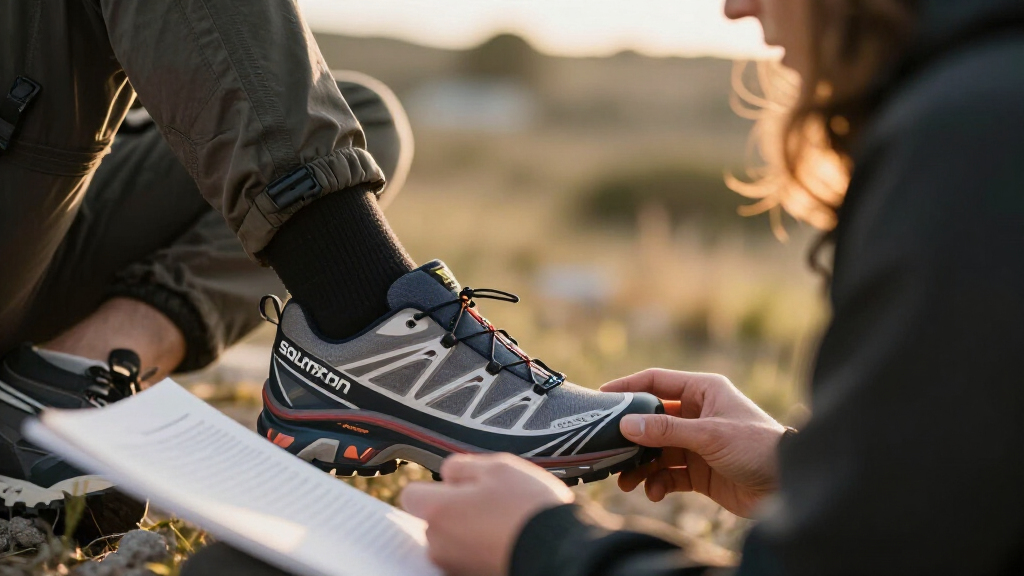

When the search is on for the best Salomon winter shoes, two questions dominate the decision: do you need a full hiking boot or a nimble trail shoe, and how much insulation versus breathability matters for your climate. The Salomon Quest 5 GTX takes my top spot because its taller cuff, burly chassis, and GORE-TEX membrane handle deep snow and sloppy trails better than anything else in this lineup. If you want something lighter for mixed winter running and walking, the XA Pro 3D Gore-Tex stands out for its agility, while the X Ultra Snowpilot is the pick purpose-built for women facing genuinely cold, snowy conditions. The main tradeoff across the category is that stiffer, more protective boots sacrifice speed and comfort on pavement, while fast trail shoes trade ankle support and warmth. Read on for the full breakdown of all eight models and which buyer each one suits best.

Get your wardrobe favorites delivered free — and shop member deals
- Fast, free delivery on millions of items
- Access to Prime Big Deal Days deals on October 6–7
- Prime Video, Amazon Music and more included
Key Takeaways
- The Quest 5 GTX and Quest Element share Salomon‘s backpacking-grade chassis, but the Quest 5’s taller cuff and newer lacing system make it the stronger deep-snow choice, while the Quest Element’s leather upper looks better for everyday winter wear.
- The XA Pro 3D family (standard and Ultra versions) proved the fastest options here, but neither offers real insulation — they suit active winter use in moderate cold rather than standing around in freezing temperatures.
- The X Ultra Snowpilot is the only model in this lineup built specifically for snow, making it the clear pick for genuinely harsh winters, though it’s overkill for mild, wet climates.
- Wide-footed buyers have a dedicated option in the X Ultra 5 Mid Wide GTX, which matches the Snowpilot’s waterproofing with a roomier fit that most Salomon shoes lack.
- The Quest Echo sits between the full Quest boots and the X Ultra line — lighter than the Quest Element but more casual in style, making it the compromise pick for city-and-trail winter use.
| Salomon Men’s Quest Element GORE-TEX Waterproof Leather Hiking Boots |  | Best Premium Winter Boot | Upper material: Nubuck leather | Membrane: GORE-TEX | Chassis: ADV-C | VIEW LATEST PRICE | See Our Full Breakdown |
| Salomon Men’s X Ultra Flare Mid Gore-Tex Hiking Boots |  | Best for Rugged Day Hikes | Cut: Mid-cut | Waterproofing: Gore-Tex membrane | Outsole: All-Terrain Contagrip | VIEW LATEST PRICE | See Our Full Breakdown |
| Salomon Men’s XA PRO 3D Gore-Tex Waterproof Trail Running Shoes |  | Best Lightweight Trail Shoe | Weight: 350–400 g | Waterproofing: Gore-Tex membrane | Outsole: Wet Traction Contagrip rubber | VIEW LATEST PRICE | See Our Full Breakdown |
| Salomon Men’s Quest Echo GORE-TEX Hiking Shoe |  | Best for All-Day Comfort | Outer material: Synthetic/Leather blend | Waterproofing: GORE-TEX lining | Stability: Advanced Chassis | VIEW LATEST PRICE | See Our Full Breakdown |
| Salomon X Ultra Snowpilot Waterproof Women’s Hiking Boots |  | Best True Winter Boot | Waterproof membrane: adv.DRY | Insulation: adv.WARM (70% recycled polyester) | Outsole: Winter Contagrip | VIEW LATEST PRICE | See Our Full Breakdown |
| Salomon X Ultra 5 Mid Wide GTX Hiking Shoes |  | Best for Wide Feet | Sole material: Rubber | Outer material: Leather | Lining: Textile | VIEW LATEST PRICE | See Our Full Breakdown |
| Salomon Quest 5 GTX |  | Best for Multi-Day Winter Treks | Sole material: Rubber | Outer material: Leather | Inner material: Synthetic rubber | VIEW LATEST PRICE | See Our Full Breakdown |
| Salomon Men’s XA Pro 3D Ultra GTX Trail Running Shoe |  | Best for Fast Winter Movement | Model: XA Pro 3D Ultra GTX | Gender: Men’s | Fabric type: Synthetic and rubber | VIEW LATEST PRICE | See Our Full Breakdown |
| Salomon winter shoe | Sole material | Origin | Waterproofing | Outsole |
|---|---|---|---|---|
| Salomon Men’s Quest Element GO | Rubber | Imported | — | — |
| Salomon Men’s X Ultra Flare Mi | Rubber | Imported | Gore-Tex membrane | All-Terrain Contagrip |
| Salomon Men’s XA PRO 3D Gore-T | — | Imported | Gore-Tex membrane | Wet Traction Contagrip rubber |
| Salomon Men’s Quest Echo GORE- | Rubber | Imported | GORE-TEX lining | — |
| Salomon X Ultra Snowpilot Wate | Rubber | Imported | — | Winter Contagrip |
| Salomon X Ultra 5 Mid Wide GTX | Rubber | — | — | All Terrain Contagrip |
| Salomon Quest 5 GTX | Rubber | Imported | GORE-TEX | — |
| Salomon Men’s XA Pro 3D Ultra | — | — | GORE-TEX | Non-marking Contagrip rubber |
More Details on Our Top Picks
Salomon Men’s Quest Element GORE-TEX Waterproof Leather Hiking Boots
The Quest Element is the most traditional boot in this lineup, and that is exactly its strength. The Nubuck leather upper blocks wind and abrasion better than the synthetic builds on the XA PRO 3D or the X Ultra Flare Mid, while the ADV-C chassis adds genuine support for loaded winter packs. Compared with the Quest Echo, this model trades lightness for a sturdier, more protective structure that stands up to deep snow and rocky, frozen trails.
The tradeoff is stiffness and weight. Buyers expecting the sneaker-like stride of the Quest Echo will find this boot feels rigid during the first weeks, and full leather demands more break-in and care than synthetic alternatives. For serious winter mileage, though, that durability pays off.
Pros:- Waterproof, windproof, and breathable GORE-TEX membrane
- Durable Nubuck leather upper resists abrasion and harsh weather
- ADV-C chassis delivers stability and shock absorption on rough terrain
- Lightweight for a full backpacking boot
Cons:- Leather construction requires break-in and regular care
- Stiffer and more supportive than needed for light day hikes
- No half-size or fit guidance provided by the brand
Best for: Backpackers and winter hikers who carry heavy loads and want leather durability with waterproof, windproof protection
Not ideal for: Casual walkers and anyone who prioritizes a light, flexible shoe — the Quest Echo or XA PRO 3D will feel far less clunky
- Upper material:Nubuck leather
- Membrane:GORE-TEX
- Chassis:ADV-C
- Sole material:Rubber
- Shaft height:Ankle
- Shaft circumference:14 inches
- Closure:Lace-up
- Origin:Imported
Our verdict“This is the pick for winter hikers who need a boot that can handle loaded packs and brutal conditions rather than quick trail outings.”
Salomon Men’s X Ultra Flare Mid Gore-Tex Hiking Boots
The X Ultra Flare Mid sits in the sweet spot between the burly Quest Element and the runner-inspired XA PRO 3D. Its All-Terrain Contagrip outsole grips wet rock and frozen mud reliably, and the EnergyCell+ midsole absorbs the repeated impact of long descents — an area where the firmer XA PRO 3D feels less forgiving. The molded toe cap and mudguard add real protection when kicking through icy debris.
What holds it back from the top spot is specialization. Unlike the winter-specific Snowpilot, it has no insulation, so it is a cold-shoulder-season boot rather than a deep-winter one. And for casual errands or pavement walking, this much structure is simply more boot than the situation needs.
Pros:- Waterproof and breathable Gore-Tex membrane
- EnergyCell+ midsole cushions long descents better than firmer rivals
- All-Terrain Contagrip outsole handles varied trail conditions
- Molded toe cap, mudguard, and anti-debris mesh add protection
Cons:- No insulation — underspecified for true winter temperatures
- Stiff, protective build feels excessive for casual use
- No published weight, making pack-planning harder
Best for: Day hikers tackling mixed, technical terrain in wet shoulder-season conditions who want cushioning and ankle support without boot weight
Not ideal for: Casual everyday wearers and deep-winter hikers — no insulation means cold feet on snow days
- Cut:Mid-cut
- Waterproofing:Gore-Tex membrane
- Outsole:All-Terrain Contagrip
- Midsole:EnergyCell+
- Stability:Advanced Chassis
- Upper material:Synthetic with anti-debris mesh
- Protection:Molded toe cap and mudguard
- Sole material:Rubber
- Origin:Imported
Our verdict“A strong middle path for hikers who want more support than a trail shoe but less weight than a backpacking boot.”
Salomon Men’s XA PRO 3D Gore-Tex Waterproof Trail Running Shoes
At 350–400 g, the XA PRO 3D is the lightest option here, and the difference against the Quest Element is immediately obvious on fast-moving winter runs. The Wet Traction Contagrip outsole is tuned specifically for slick surfaces where the standard Contagrip on the X Ultra Flare Mid gives up some bite, and the Quicklace system lets you pull the shoe tight with gloved hands — a small detail that matters enormously in cold weather.
The compromises follow directly from the low-cut, stripped-down design. Ankle coverage is minimal compared with every mid boot in this lineup, so loose snow works its way in over the collar. The all-synthetic build also lacks insulation, and it sits at the higher end of the price spectrum for a trail shoe.
Pros:- Featherlight 350–400 g build for fast winter efforts
- Wet Traction Contagrip grips slick and mixed surfaces
- Quicklace system adjusts quickly, even with gloves on
- Waterproof, breathable Gore-Tex membrane with precise Sensifit fit
Cons:- Low-cut collar lets in snow and offers little ankle support
- No insulation for stationary cold-weather activities
- Premium feature set carries a premium price
Best for: Trail runners and fast-paced winter hikers who want waterproof grip and speed over ankle coverage
Not ideal for: Hikers carrying packs through deep snow — the low cut offers little ankle support or powder protection
- Weight:350–400 g
- Waterproofing:Gore-Tex membrane
- Outsole:Wet Traction Contagrip rubber
- Lacing system:Quicklace
- Upper material:Synthetic
- Shaft height:Ankle (low-cut shoe)
- Stability:3D Advanced Chassis
- Origin:Imported
Our verdict“The clear choice when speed matters more than coverage — skip it if you need a boot, not a shoe.”
Salomon Men’s Quest Echo GORE-TEX Hiking Shoe
The Quest Echo takes the Quest platform and reimagines it as a trail-runner-inspired hiking shoe, which makes it the most comfortable option for covering long distances in one push. Where the Quest Element feels planted and stiff, the Echo respects the foot’s natural flexion for a smoother stride, while keeping the same Advanced Chassis stability that makes the Quest family confident on rough, frozen ground.
Compared with the XA PRO 3D, it trades speed-focused lightness for a leather-and-synthetic blend that wears in more durably over seasons of use. The compromise is middle-ground identity: it is heavier than a pure trail shoe and lower-cut than the backpacking boots, so hikers wanting maximum ankle support or maximum speed will both find a better fit elsewhere in this lineup.
Pros:- Trail-runner-inspired flexibility for a smooth, natural stride
- GORE-TEX lining keeps feet dry over long, wet kilometers
- Advanced Chassis adds stability on rough terrain
- Leather-and-synthetic blend built for years of use
Cons:- No insulation for genuinely cold winter conditions
- Mid-height design offers less ankle support than the Quest Element
- Blend upper lacks the classic look and feel of full leather
Best for: Multi-day hikers covering high mileage who prioritize a natural stride and long-term durability over maximum support
Not ideal for: Hikers who want traditional full-leather boot structure or a true low-cut speed shoe — this splits the difference on both
- Outer material:Synthetic/Leather blend
- Waterproofing:GORE-TEX lining
- Stability:Advanced Chassis
- Sole material:Rubber
- Shaft height:Ankle
- Design inspiration:Trail-runner construction
- Origin:Imported
Our verdict“The best pick for long-distance comfort and durability, as long as winter means wet rather than frigid.”
Salomon X Ultra Snowpilot Waterproof Women’s Hiking Boots
This is the only option in the batch built specifically for winter, and the differences are structural, not cosmetic. The adv.WARM insulation (made with 70% recycled polyester) and fleece collar trap heat that the XA PRO 3D and X Ultra Flare Mid — both uninsulated — simply cannot match, while the Winter Contagrip outsole is compound-tuned for snow and ice rather than general trail grip. The tall 24 cm shaft also keeps powder out in ways no low-cut shoe here manages.
Those winter-focused choices limit versatility. The Snowpilot will run hot on dry autumn trails, and the Active Chassis provides lateral stability but less underfoot stiffness than the ADV-C setup in the Quest Element, so it is less suited to heavy loads. It is also the only women’s-specific model in this group, which shapes who it can serve at all.
Pros:- adv.WARM insulation with recycled polyester for sustained cold
- Winter Contagrip outsole tuned for snow and ice traction
- Tall 24 cm shaft and fleece collar block wind and powder
- Waterproof adv.DRY membrane and Active Chassis lateral support
Cons:- Far too warm for shoulder-season or mild-winter use
- Less underfoot stiffness than the Quest Element for heavy loads
- Winter specialization means limited year-round value
Best for: Women hiking, snowshoeing, or walking in sustained cold, snow, and slush who need insulation and true winter traction
Not ideal for: Three-season hikers and anyone in milder climates — the insulation turns this boot into a sauna outside of winter
- Waterproof membrane:adv.DRY
- Insulation:adv.WARM (70% recycled polyester)
- Outsole:Winter Contagrip
- Stability technology:Active Chassis
- Upper:PU-coated weather leather
- Shaft height:24 (cm)
- Shaft circumference:10 (inches)
- Sole material:Rubber
- Origin:Imported
Our verdict“If your winters actually involve snow and ice rather than just cold rain, this is the most capable — and warmest — choice in the lineup.”
Salomon X Ultra 5 Mid Wide GTX Hiking Shoes
Wide-footed hikers usually get shortchanged in winter footwear, but this X Ultra 5 Mid Wide GTX solves that without giving up structure. The Advanced Chassis insert anchors the foot laterally, which matters on frozen, uneven trails where a sloppy fit invites rolled ankles. Compared with the Quest 5 GTX, this mid-cut version trades some ankle height for a lighter, more mobile feel — closer to a shoe than a boot. The All Terrain Contagrip outsole grips reliably on packed snow and mixed terrain, and the quickLACE system makes it easy to secure snugly even with gloved hands. The tradeoff: a leather upper and mid-height cut mean less warmth and protection than a full winter boot like the X Ultra Snowpilot, so deep snow and sub-zero days are outside its comfort zone.
Pros:- Wide fit accommodates broad feet without pressure points
- Advanced Chassis delivers lateral support and protection on uneven frozen ground
- All Terrain Contagrip outsole grips mixed winter terrain
- quickLACE closure adjusts easily with gloves on
Cons:- No insulation, so it runs cold in true winter conditions
- Mid-cut height offers less ankle coverage and snow protection than boots like the Quest 5 GTX
Best for: Day hikers with wide feet who need lateral stability on icy or rutted winter trails
Not ideal for: Anyone facing deep snow or bitter cold — it lacks the insulation and height of a dedicated winter boot
- Sole material:Rubber
- Outer material:Leather
- Lining:Textile
- Midsole:EVA foam
- Outsole:All Terrain Contagrip
- Sockliner:OrthoLite
- Closure:quickLACE
- Fit:Wide
Our verdict“If standard Salomon widths pinch your feet but you still want chassis-driven stability on winter trails, this is the pick.”
Salomon Quest 5 GTX
When a winter trip involves a heavy pack and several days on variable ground, the Quest 5 GTX is the load-hauler of this lineup. Its 4D Advanced Chassis sits between the outsole and midsole to control flex, which keeps feet stable under weight in ways lighter models like the XA Pro 3D Ultra GTX can’t match. The GORE-TEX membrane, tall silhouette, and protective mudguard work together to block meltwater, slush, and trail debris — the practical barriers between dry feet and a miserable trip. The compromise is bulk: this boot feels noticeably heavier and stiffer than the X Ultra 5 Mid, so fast-and-light day hikes feel like overkill here. It also demands a break-in period before long mileage.
Pros:- Waterproof GORE-TEX membrane keeps feet dry in slush and snowmelt
- 4D Advanced Chassis provides stability and agility under heavy pack loads
- High-top design and mudguard protect against trail debris and impacts
- Lightweight leather construction keeps movement fluid for a full-height boot
Cons:- Higher cut feels bulkier and less agile than low-profile options like the XA Pro 3D Ultra GTX
- Stiffer chassis requires break-in before long distances
Best for: Backpackers and multi-day trekkers carrying heavy loads through slush, mud, and rugged winter terrain
Not ideal for: Speed hikers and day-trippers who want something light — the high cut adds weight and stiffness
- Sole material:Rubber
- Outer material:Leather
- Inner material:Synthetic rubber
- Waterproofing:GORE-TEX
- Support system:4D Advanced Chassis
- Silhouette:High-top hiking boot
- Origin:Imported
Our verdict“This is the boot for loaded winter backpacking where ankle support and waterproofing matter more than shaving ounces.”
Salomon Men’s XA Pro 3D Ultra GTX Trail Running Shoe
For runners and fast-packers who refuse to slow down in winter, the XA Pro 3D Ultra GTX is the most athletic option in this roundup. Its EnergyCell midsole offers livelier cushioning than the EVA setup in the X Ultra 5 Mid, and the low-cut design moves faster than the boot-height Quest 5 GTX. The 3D Advanced Chassis and Sensifit system cradles the foot for stability without strapping on boot-grade stiffness, while the non-marking Contagrip outsole with tailored lug patterns bites into packed snow and frozen trails. The honest tradeoff: compared with minimalist trail runners, this shoe carries real weight, and its low collar lets snow in when drifts get deep. It’s a winter mover, not a snow boot.
Pros:- All Terrain Contagrip outsole with tailored lugs grips frozen and snow-packed trails
- GORE-TEX upper blocks water while staying durable
- 3D Advanced Chassis plus Sensifit creates a stable, locked-in fit
- EnergyCell midsole improves cushioning over long mountain miles
Cons:- Heavier than minimalist trail runners, which fatigues pure speed seekers
- Low-cut design lets in snow and provides minimal ankle protection off-trail
Best for: Trail runners and fast-packers who need waterproof grip and cushioning for cold-weather speed work
Not ideal for: Deep-snow walkers and overlanders — the low collar admits snow and offers little ankle support
- Model:XA Pro 3D Ultra GTX
- Gender:Men’s
- Fabric type:Synthetic and rubber
- Waterproofing:GORE-TEX
- Outsole:Non-marking Contagrip rubber
- Midsole:EnergyCell
- Support system:3D Advanced Chassis with Sensifit
- Care:Machine wash
Our verdict“Buy this if winter trails mean moving fast and far; skip it if you need boot-height protection in deep snow.”
How We Picked
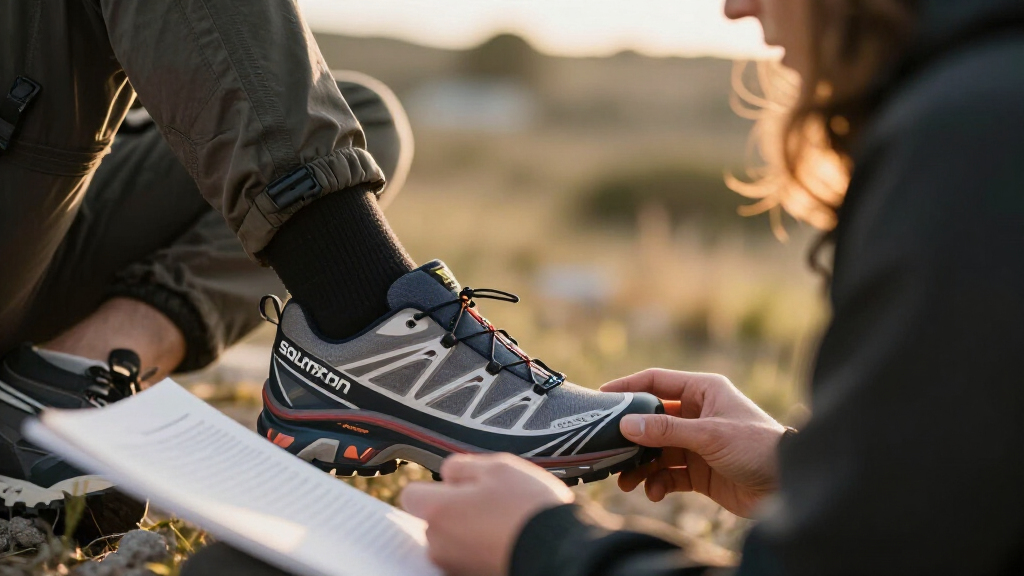
I evaluated these eight models through a winter-specific lens rather than general hiking performance. The main criteria were weather protection (GORE-TEX membrane coverage, cuff height, water resistance of the upper materials), traction on snow and slush (outsole lug depth and rubber compound), warmth and breathability balance, and fit options including width availability. Because winter shoes get abused by salt, slush, and freeze-thaw cycles, build quality and upper durability also factored heavily into the ranking.
The ranking logic is straightforward: models purpose-built or best-equipped for snow and cold sit highest, while fast, lightly insulated trail shoes rank lower despite being excellent products — they simply serve a narrower winter role. Where two models overlap heavily, like the two Quest boots or the two XA Pro variants, I separated them by the details that matter to buyers: fit updates, weight, and intended terrain. Every model here earned its place, but the order reflects how well each one answers the specific question of winter use.
| Salomon winter shoe | Waterproofing | Outsole |
|---|---|---|
| Salomon Men’s Quest Element GO | — | — |
| Salomon Men’s X Ultra Flare Mi | Gore-Tex membrane | All-Terrain Contagrip |
| Salomon Men’s XA PRO 3D Gore-T | Gore-Tex membrane | Wet Traction Contagrip rubber |
| Salomon Men’s Quest Echo GORE- | GORE-TEX lining | — |
| Salomon X Ultra Snowpilot Wate | — | Winter Contagrip |
| Salomon X Ultra 5 Mid Wide GTX | — | All Terrain Contagrip |
| Salomon Quest 5 GTX | GORE-TEX | — |
| Salomon Men’s XA Pro 3D Ultra | GORE-TEX | Non-marking Contagrip rubber |
Factors to Consider When Choosing Best Salomon Winter Shoes
Before settling on a specific Salomon model, it helps to understand what actually separates a good winter shoe from a summer shoe marketed year-round. These are the factors that most often make or break the purchase.Boot Height and Ankle Coverage
Cuff height matters more in winter than in any other season. A mid-cut boot like the Quest 5 GTX or X Ultra 5 Mid keeps snow out when you’re postholing through drifts or wading through slush, while low-cut shoes like the XA Pro 3D leave a gap where meltwater finds its way in. The common mistake buyers make is assuming GORE-TEX alone solves the snow problem — it keeps water out, but snow enters from the top, not the sides. If you’ll be walking through anything deeper than ankle height, a mid or high cut is non-negotiable. If your winters are mostly paved and plowed, a low-cut shoe’s lighter weight and better flexibility win out.
Insulation Versus Breathability
Almost every model in this roundup uses GORE-TEX, which is waterproof but not insulated in the way a pac boot is. That means warmth comes mainly from activity level, sock choice, and the shoe’s construction. This creates a real tradeoff: heavily insulated feet stay warm when stationary but sweat during hard exercise, and damp socks chill fast once you stop. Runners and fast hikers should lean toward breathable trail shoes like the XA Pro line and accept thinner margins in extreme cold. People who stand at bus stops, walk dogs slowly, or work outside need the warmer, stiffer boots — the Snowpilot or Quest series — even if they feel clunky at first.
Sole Design and Ice Traction
Salomon’s Contagrip outsoles are strong on mud, snow, and slush, but no standard rubber sole is truly confident on hard ice. Lug depth is the first thing to check: the deeper, wider lugs on the Quest and X Ultra families shed packed snow far better than the shallower patterns on lighter shoes. If your winters involve frequent ice, plan to add aftermarket traction devices regardless of which shoe you buy — this is where many buyers overestimate what any shoe can do. Also check the toe and heel brake zones, which matter on descents when snow hides the actual slope. The lugs’ spacing determines whether snow packs into the sole or clears with each step, a small detail with a big comfort impact.
Fit, Sizing, and Width Options
Salomon shoes tend to run narrow through the forefoot, which becomes a bigger issue in winter because thick socks add volume. A shoe that fits fine in a summer sock can feel restrictive in wool socks, compressing insulation and actually making feet colder. This is why the X Ultra 5 Mid Wide GTX earns its place in the lineup — it solves a problem the other seven models don’t address. Another point often missed: winter socks change your effective size by up to a half size, so some buyers size up, though that risks heel slip and blisters. The better approach is choosing a model with the right volume from the start rather than fighting the fit with sizing tricks.
Durability and Winter Abuse
Road salt, standing water, and freeze-thaw cycles destroy shoes faster than summer hiking does. Full-grain leather uppers like the Quest Element’s handle salt and abrasion better than synthetic mesh, which is why the leather models cost a place in a winter lineup despite their added weight. Stitching quality and how the upper attaches to the midsole matter too — winter is when delamination shows up, because water gets into seams and expands when it freezes. Buyers who log high winter mileage should budget for replacements sooner and favor the more robust builds here. A cheaper mesh shoe that dies in one salty season is worse value than a pricier boot that lasts three.
Style and Everyday Wearability
Most people don’t just hike in their winter shoes — they wear them to work, the store, and around town. Technical boots like the Quest 5 look the part on a trail but read as chunky gear in an office. The Quest Echo was clearly designed with this in mind, pairing waterproofing with a silhouette that passes as a casual shoe. Deciding up front whether you need a dedicated trail shoe, an everyday winter shoe, or one that does both prevents the most common regret in this category: buying a hyper-technical boot that’s too much shoe for shoveling the driveway. Match the shoe’s personality to where your winter days actually happen.
Frequently Asked Questions
Is GORE-TEX enough to keep my feet warm in winter, or do I need an insulated shoe?
GORE-TEX is a waterproof, windproof membrane — it blocks moisture and wind chill, but it does not generate warmth the way synthetic insulation does. In practice, a GORE-TEX shoe with a decently robust upper keeps feet comfortable down to around freezing during active use, because movement generates heat that the membrane helps retain. Below that, or when you’re stationary for long stretches, you need either an insulated model like the X Ultra Snowpilot or thicker wool socks in a burlier boot like the Quest series. Sock choice genuinely matters as much as shoe choice: cotton socks in a GORE-TEX shoe will leave feet cold in any temperature. If your typical winter day involves standing around rather than moving, prioritize insulation over waterproofing specs.
Should I buy a mid-cut boot or a low-cut trail shoe for winter?
That depends almost entirely on snow depth and surface conditions rather than support preferences alone. Mid-cut boots like the Quest 5 GTX, X Ultra 5 Mid, and Snowpilot block snow from entering at the ankle, which is the single most common way winter feet get wet. Low-cut shoes like the XA Pro 3D are lighter, faster, and more comfortable for driving or all-day wear, but deep or slushy snow defeats their waterproofing within minutes. If your winters involve plowed pavement and packed trails, a low-cut shoe works well and your feet will thank you for the reduced weight. Anything deeper than ankle height, and the mid-cut wins every time.
Why do Salomon shoes run narrow, and what should wide-footed buyers do?
Salomon builds most of its shoes on a performance last with a snug forefoot, which improves precision on technical terrain but squeezes wider feet. In winter, this is amplified because thick socks fill the extra volume most people rely on. The X Ultra 5 Mid Wide GTX exists specifically for this reason and is the safest choice in this lineup for wide feet. Another option is sizing up a half size, though that often introduces heel slip, which causes blisters and lets snow in at the cuff. If you have genuinely wide feet and don’t need a snow-specific boot, the Wide model is the better answer than sizing hacks. Trying shoes on with the actual socks you’ll wear in winter is the only reliable test.
What’s the actual difference between the XA Pro 3D and the XA Pro 3D Ultra?
The two shoes share the same chassis concept — Salomon’s 3D stability frame, a GORE-TEX membrane, and an aggressive Contagrip outsole — but they sit at different points on the durability-versus-weight spectrum. The Ultra version trims weight and targets faster, longer efforts, while the standard 3D leans slightly more rugged and padded for all-around abuse. For winter specifically, neither is insulated, so both work best for high-output activities in moderate cold: trail running, fast hiking, snowshoeing with proper layers. If you’re walking rather than running, the extra cushioning of the standard 3D is more comfortable for long days. The deciding factor should be your pace, not the model names.
Can I wear a hiking boot like the Quest 5 GTX in the city all winter, or is it overkill?
You can, and plenty of people do, but you’ll be carrying more boot than you need on pavement. The Quest 5’s stiff chassis and heavy build exist for loaded backpacking on rough terrain; on sidewalks, that translates to a stiffer feel and slower break-in with little payoff. For urban winters, the Quest Echo makes more sense — same waterproofing family, lighter construction, and a shape that works with regular clothes. The one argument for the Quest 5 in the city is longevity: its build shrugs off salt and abrasion better than lighter shoes, so it may outlast two pairs of casual winter shoes. If your week mixes genuine trails with pavement, though, the Quest Element splits the difference nicely with its leather upper and toned-down stance.
Conclusion
Mapping these eight models to buyer types makes the final call much simpler. For the best overall winter performance, the Quest 5 GTX is the strongest choice — its height, chassis, and waterproofing handle the widest range of genuine winter conditions. The best value pick is the XA Pro 3D Gore-Tex, which delivers Salomon’s traction and weather protection at the lighter, faster end of the lineup. Buyers wanting the best premium option should look at the X Ultra Snowpilot, the one shoe here engineered specifically for snow. For beginners or casual winter walkers, the Quest Echo offers waterproofing without the intimidation of a technical mountaineering boot. Wide-footed buyers get a clear answer in the X Ultra 5 Mid Wide GTX, while runners and fast hikers should go straight to the XA Pro 3D Ultra. If versatility across city and trail tops your list, the Quest Element and X Ultra Flare Mid round out the lineup as strong middle-ground picks — proof that Salomon’s winter range has a genuinely distinct option for nearly every kind of cold-weather foot.
Fall Picks
fall essentials
As an affiliate, we earn on qualifying purchases.