
The best outdoor boots depend on where you walk: for an all-around hiking pick, the KEEN Men’s Targhee 4 Waterproof Mid stands out for trail-focused support and weather protection, while the Columbia Newton Ridge Plus II offers a more approachable hiking option. For persistent cold and wet conditions, the Muck Arctic Pro prioritizes insulation, and the XTRATUF Ankle Deck Boot is better suited to slick, wet work surfaces than long trail miles. The main tradeoffs are warmth versus breathability, flexible comfort versus support, and specialized protection versus everyday versatility. I compare all 15 boots by intended use, construction, and practical limits below. Continue reading for the full breakdown and guidance on choosing the right pair for your conditions.

Get your wardrobe favorites delivered free with Prime
- Fast, free delivery on millions of items
- Prime Video, Amazon Music and more included
- Member-only deals all year
Key Takeaways
- The KEEN Targhee 4 Mid is the clearest hiking-first choice in this lineup; deck, tactical, and heavily insulated boots solve different problems rather than replacing a trail boot.
- Waterproofing is not the same as comfort in wet weather. Neoprene and rubber-focused options suit saturated conditions, while waterproof hiking boots can feel warmer during sustained activity.
- Cold-weather boots make a deliberate warmth-for-versatility trade. Muck Arctic Pro and Rocky Retraction insulation fit cold exposure better than lightweight hiking models, but are less suited to mild-weather walking.
- Several lower-cost-oriented NORTIV 8 options cover distinct roles—ankle-high hiking, winter hiking, and tactical work—so buyers should choose by terrain and use, not brand name alone.
- Fit and intended surface matter as much as waterproofing. A boot designed for slick decks or work may not provide the hiking support or stride comfort needed for extended trails.
| XTRATUF Men’s Ankle Deck Boot |  | Best for Wet Decks and Shorelines | Material: 100% rubber | Sole: Rubber | Shaft height: 6 inches | VIEW LATEST PRICE | See Our Full Breakdown |
| TIDEWE Waterproof Neoprene Boots for Men and Women |  | Best for Cold, Muddy Work | Height: Mid-calf | Outer material: Neoprene and rubber | Water resistance: Waterproof | VIEW LATEST PRICE | See Our Full Breakdown |
| Timberland Men’s Mt. Maddsen Waterproof Hiking Boots |  | Best for Leather Trail Comfort | Upper: Premium waterproof Timberland leather | Waterproofing: TimberDry waterproof membrane | Lining: ReBOTL fabric | VIEW LATEST PRICE | See Our Full Breakdown |
| Columbia Men’s Newton Ridge Plus II Waterproof Hiking Boot |  | Best Lightweight All-Terrain Hiking Pick | Upper: Waterproof full-grain leather and mesh | Shaft height: Ankle | Closure: Lace-up | VIEW LATEST PRICE | See Our Full Breakdown |
| NORTIV 8 Men’s Waterproof Ankle-High Hiking Boots |  | Best for Cushioned Outdoor Versatility | Shaft height: Ankle | Shaft circumference: 29.4 cm | Outer material: Nylon and faux leather | VIEW LATEST PRICE | See Our Full Breakdown |
| Timberland Men’s White Ledge Mid Waterproof Hiking Boots |  | Best for Straightforward Day Hikes | Upper: Waterproof premium Timberland leather | Construction: Seam-sealed | Lining: ReBOTL fabric | VIEW LATEST PRICE | See Our Full Breakdown |
| Muck Men’s Arctic Pro Insulated Hunting Boots |  | Best for Extreme Cold and Wet Conditions | Waterproofing: 100% waterproof | Neoprene thickness: 8 mm | Thermal foam: 2 mm under the footbed | VIEW LATEST PRICE | See Our Full Breakdown |
| KEEN Men’s Targhee 4 Waterproof Mid Hiking Boots | 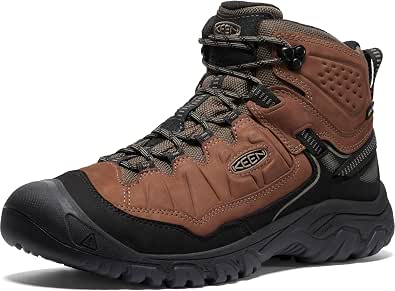 | Best for All-Terrain Trail Hiking | Waterproof membrane: KEEN.DRY | Outsole: KEEN.ALL-TERRAIN rubber | Footbed: Removable Luftcell | VIEW LATEST PRICE | See Our Full Breakdown |
| Columbia Men’s Transverse Waterproof Hiking Boots | 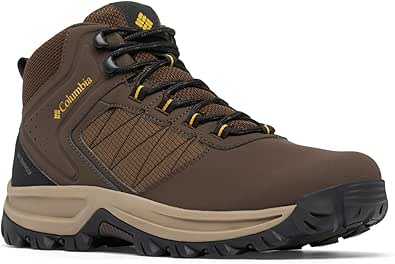 | Best for Lightweight Everyday Trail Use | Upper material: Leather and mesh | Waterproofing: Seam-sealed, waterproof-breathable construction | Cushioning: TECHLITE lightweight impact absorption | VIEW LATEST PRICE | See Our Full Breakdown |
| Skechers Men’s Relaxed Fit Respected Boswell Boot |  | Best for Casual Outdoor Comfort | Upper: Water-repellent leather and synthetic | Fit: Relaxed Fit | Insole: Air-Cooled Memory Foam | VIEW LATEST PRICE | See Our Full Breakdown |
| XPETI Men’s Thermator Lightweight Waterproof Hiking Boots |  | Best for Traction on Mixed Trails | Shaft height: 8 inches | Waterproofing: Waterproof mesh upper and XPETI-DRY membrane | Lining: Moisture-wicking mesh | VIEW LATEST PRICE | See Our Full Breakdown |
| Rocky Retraction Waterproof 800G Insulated Outdoor Boot |  | Best for Severe Wet and Cold Conditions | Shaft height: 8 inches | Waterproofing: Rocky Waterproof construction | Insulation: 800 grams of 3M Thinsulate Ultra | VIEW LATEST PRICE | See Our Full Breakdown |
| NORTIV 8 Men’s Waterproof Winter Hiking Boots | 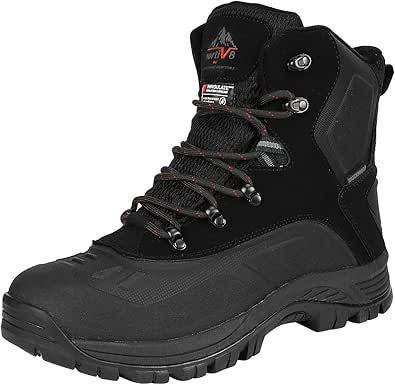 | Best for Washable Winter Comfort | Shaft height: Ankle | Shaft circumference: 16 inches | Waterproofing: Waterproof construction | VIEW LATEST PRICE | See Our Full Breakdown |
| Columbia Men’s Fairbanks Mid Hiking Boots |  | Best for Town-to-Trail Wear | Shaft height: Ankle | Waterproofing: Omni-Tech multilayered, seam-sealed construction | Cushioning: TechLite impact absorption with energy return | VIEW LATEST PRICE | See Our Full Breakdown |
| NORTIV 8 Men’s Military Tactical Work Boots |  | Best for Workday Convenience | Shaft height: Calf high | Shaft circumference: 50.27 inches | Outer material: Leather | VIEW LATEST PRICE | See Our Full Breakdown |
| outdoor boot | Shaft height | Outsole | Sole material |
|---|---|---|---|
| XTRATUF Men’s Ankle Deck Boot | 6 inches | Slip-resistant Chevron | — |
| TIDEWE Waterproof Neoprene Boo | — | — | — |
| Timberland Men’s Mt. Maddsen W | Ankle; approximately 5 inches from arch | Rubber with 15% recycled content | — |
| Columbia Men’s Newton Ridge Pl | Ankle | Omni-Grip | Rubber |
| NORTIV 8 Men’s Waterproof Ankl | Ankle | — | EVA and rubber |
| Timberland Men’s White Ledge M | Ankle | Rubber with multidirectional lugs | — |
| Muck Men’s Arctic Pro Insulate | — | Bob-Tracker | — |
| KEEN Men’s Targhee 4 Waterproo | Ankle | KEEN.ALL-TERRAIN rubber | Rubber |
| Columbia Men’s Transverse Wate | Ankle | — | Rubber |
| Skechers Men’s Relaxed Fit Res | Ankle | Goodyear Performance | Rubber |
| XPETI Men’s Thermator Lightwei | 8 inches | XPETI-GRIP rubber with 7 mm multidirectional lugs | Rubber |
| Rocky Retraction Waterproof 80 | 8 inches | — | EVA/rubber |
| NORTIV 8 Men’s Waterproof Wint | Ankle | Slip-resistant rubber | EVA and rubber |
| Columbia Men’s Fairbanks Mid H | Ankle | — | Rubber |
| NORTIV 8 Men’s Military Tactic | Calf high | Slip-, oil-, and abrasion-resistant rubber | EVA and rubber |
More Details on Our Top Picks
XTRATUF Men’s Ankle Deck Boot
The XTRATUF Men’s Ankle Deck Boot is the most specialized pick here: its 6-inch waterproof rubber build and Chevron slip-resistant outsole suit boat decks, docks, and other persistently wet surfaces better than the hiking-focused Timberland Mt. Maddsen. Its lightweight construction and XPRESSCOOL liner are intended to keep the boot comfortable across changing temperatures, while pull loops at both the vamp and ankle make it easier to pull on. The tradeoff is versatility: this ankle-height deck boot offers less coverage than the mid-calf TIDEWE neoprene boots and is not described as a commercial-grade XTRATUF model. Half-size shoppers should also order up, which may affect fit. I’d choose it for wet footing, not as my first option for cold-weather or rough-trail hiking.
Pros:- Waterproof rubber construction suits repeated exposure to wet conditions
- Chevron outsole is designed for slip resistance on slick surfaces
- Lightweight build is less cumbersome than taller neoprene boots
- XPRESSCOOL liner is intended to help with comfort across temperatures
Cons:- Not classified as a commercial-grade XTRATUF boot
- Half-size shoppers are advised to order up, which can complicate fit
- Six-inch shaft provides less leg coverage than the TIDEWE mid-calf boot
Best for: Boaters, dock workers, and shoreline anglers who prioritize waterproofing and grip on wet, slick surfaces.
Not ideal for: Hikers who want ankle support on uneven trails or buyers who need insulated, mid-calf coverage for cold conditions.
- Material:100% rubber
- Sole:Rubber
- Shaft height:6 inches
- Waterproof:Yes
- Outsole:Slip-resistant Chevron
- Liner:XPRESSCOOL cooling liner
- Sizing guidance:Order up for half sizes
Our verdict“Choose this for lightweight waterproof grip on decks and docks, but pick the TIDEWE if you need taller, insulated coverage.”
TIDEWE Waterproof Neoprene Boots for Men and Women
For buyers who need more leg coverage and warmth than a short deck boot provides, the TIDEWE Waterproof Neoprene Boots stand out with a mid-calf shaft, waterproof CR Flex-Foam construction, and insulation rated for comfort from -4°F to 50°F. Four-way stretch nylon adds flexibility, while reinforced toes offer extra protection around brush or equipment. That makes this a better fit for cold, muddy chores than the XTRATUF Ankle Deck Boot, which is shorter and focused on wet-surface grip rather than insulation. The added coverage has a cost: these boots are substantially taller and listed at 2.14 kg, so they’re less suited to fast, dry-weather hiking. Sizing needs care, too; check the chart and note that sizes 11–14 are displayed as men’s sizes.
Pros:- Waterproof CR Flex-Foam, neoprene, and rubber construction
- Insulation has a stated comfort range of -4°F to 50°F
- Four-way stretch nylon supports a flexible fit
- Reinforced toes and a heel protrusion add protection and aid removal
Cons:- Mid-calf height and listed 2.14 kg weight are less convenient for lightweight hiking
- Sizing requires checking the chart, with displayed sizes 11–14 identified as men’s sizes
- More boot than needed for warm conditions or short trips on wet decks
Best for: Outdoor workers, hunters, and property owners who need waterproof, insulated mid-calf boots for cold and muddy conditions.
Not ideal for: Warm-weather hikers or boaters seeking a short, lightweight boot that is easy to pack and move in quickly.
- Height:Mid-calf
- Outer material:Neoprene and rubber
- Water resistance:Waterproof
- Comfort temperature range:-4°F to 50°F
- Weight:2.14 kg
- Shaft circumference:13 inches
- Closure:Slip-on
- Insole material:Polyurethane
Our verdict“Pick the TIDEWE for insulated, mid-calf protection in cold mud, but choose the XTRATUF for a lighter boot on wet decks.”
Timberland Men’s Mt. Maddsen Waterproof Hiking Boots
The Timberland Men’s Mt. Maddsen is my pick for hikers who want a traditional lace-up boot with waterproof leather and cushioning for longer days on the trail. Its TimberDry membrane and fully gusseted tongue help limit water entry, while the removable anti-fatigue footbed and compression-molded EVA midsole target comfort underfoot. Compared with the lighter Columbia Newton Ridge Plus II, the Mt. Maddsen leans more toward a leather hiking-boot feel; compared with the NORTIV 8 ankle boot, it provides clearer construction details, including a named waterproof membrane and footbed. The tradeoff is that the supplied information does not establish insulation or a temperature range, so I wouldn’t treat it as a winter boot. Warranty coverage is also unavailable for purchases from unauthorized sellers.
Pros:- Waterproof leather, TimberDry membrane, and gusseted tongue help keep water out
- Removable anti-fatigue footbed allows removal or replacement
- Compression-molded EVA midsole adds cushioning
- Outsole contains 15% recycled rubber
Cons:- No insulation or temperature rating is specified
- Warranty is unavailable for purchases from unauthorized sellers
- Leather hiking construction is less specialized for slick boat decks than the XTRATUF
Best for: Day hikers who prefer a waterproof leather lace-up boot with a removable comfort footbed for varied trail conditions.
Not ideal for: Cold-weather hikers seeking insulated boots, or shoppers who cannot verify that a seller is authorized for warranty coverage.
- Upper:Premium waterproof Timberland leather
- Waterproofing:TimberDry waterproof membrane
- Lining:ReBOTL fabric
- Closure:Lace-up
- Footbed:Removable anti-fatigue
- Midsole:Compression-molded EVA
- Outsole:Rubber with 15% recycled content
- Shaft height:Ankle; approximately 5 inches from arch
Our verdict“Choose the Mt. Maddsen for waterproof leather hiking comfort, but look elsewhere for insulated cold-weather protection.”
Columbia Men’s Newton Ridge Plus II Waterproof Hiking Boot
The Columbia Men’s Newton Ridge Plus II is the more versatile hiking choice for buyers who want waterproof leather-and-mesh construction without the taller profile of the TIDEWE neoprene boots. Its cushioned midsole is described as lightweight, and the Omni-Grip rubber outsole is designed for traction across varied terrain, including ice and snow. That makes it a broader trail option than the XTRATUF, whose Chevron outsole is aimed at wet decks rather than hiking surfaces. The lace-up closure also lets the wearer adjust the fit, though the supplied details don’t specify a waterproof membrane, insulation, or footbed type. Shoppers who need those specifics—or want the more fully detailed leather-and-membrane package of the Timberland Mt. Maddsen—may prefer another option. Consult the size chart before ordering.
Pros:- Waterproof full-grain leather and mesh upper
- Lightweight cushioned midsole is suited to hiking comfort
- Omni-Grip rubber outsole is designed for varied terrain, including ice and snow
- Lace-up closure allows fit adjustment
Cons:- No insulation or temperature rating is provided
- Footbed and specific waterproofing technology are not identified in the supplied details
- Sizing may require checking the size chart
Best for: Hikers who want a lightweight, ankle-height waterproof boot for mixed terrain and adjustable lace-up fit.
Not ideal for: Cold-weather hikers who need a stated insulation rating, or buyers who want detailed membrane and footbed specifications before choosing.
- Upper:Waterproof full-grain leather and mesh
- Shaft height:Ankle
- Closure:Lace-up
- Sole material:Rubber
- Outsole:Omni-Grip
- Midsole:Cushioned, lightweight
- Origin:Imported
Our verdict“Choose the Newton Ridge Plus II for lightweight, mixed-terrain hiking, but favor the TIDEWE when warmth and taller coverage matter more.”
NORTIV 8 Men’s Waterproof Ankle-High Hiking Boots
The NORTIV 8 Men’s Waterproof Ankle-High Hiking Boots focus on cushioned comfort and a relatively simple ankle-height design for hiking and other outdoor activities. The removable shock-absorbing insole gives buyers the option to take it out, while a lightweight EVA midsole is intended to reduce foot fatigue. Its rubber sole is described as offering traction on wet and muddy surfaces, making it more trail-oriented than the deck-focused XTRATUF. Compared with the Timberland Mt. Maddsen, though, the supplied product details give less information about the waterproofing system and overall construction, so buyers have fewer specifics for judging protection and durability. No fit guidance is provided either. I’d see it as a flexible general-outdoor option, not a boot to choose when precise sizing or documented long-term durability is the deciding factor.
Pros:- Waterproof construction is specified
- Removable cushioned insole is described as shock-absorbent
- Lightweight EVA midsole is designed to reduce foot fatigue
- Rubber sole is intended to provide traction on wet and muddy ground
Cons:- No specific fit or sizing guidance is provided
- Durability evidence beyond the product description is not available
- Waterproofing technology and insulation details are not specified
Best for: Casual hikers and outdoor users who want an ankle-high waterproof boot with a removable cushioned insole for varied activities.
Not ideal for: Buyers who need detailed sizing guidance, documented durability information, or a stated waterproof membrane and insulation rating.
- Shaft height:Ankle
- Shaft circumference:29.4 cm
- Outer material:Nylon and faux leather
- Waterproof:Yes
- Insole:Removable, cushioned, shock-absorbent
- Sole material:EVA and rubber
Our verdict“Consider the NORTIV 8 for cushioned, general outdoor use, but choose the Timberland Mt. Maddsen if you want more detailed construction specifications.”
Timberland Men’s White Ledge Mid Waterproof Hiking Boots
I’d pick the White Ledge Mid for hikers who want a conventional leather boot with straightforward wet-weather protection. Its seam-sealed leather upper and fully gusseted tongue help block water, while the EVA footbed and midsole cushion everyday trail miles. Multidirectional lugs give it a practical grip pattern without making this a specialized winter or mud boot. Compared with the KEEN Targhee 4, this Timberland has fewer listed comfort and protection details, such as a removable footbed and toe guard, but its leather construction offers a familiar, sturdy feel. The tradeoff is that the supplied specs don’t identify a breathable membrane or a particularly lightweight build, so I wouldn’t make it my first choice for hot-weather hikes or technical terrain.
Pros:- Waterproof premium leather with seam-sealed construction
- Fully gusseted tongue helps limit water entry
- EVA footbed and midsole add cushioning
- Multidirectional rubber lugs suit varied trail surfaces
Cons:- No breathable waterproof membrane is specified
- Lacks the listed removable footbed and toe protection of the KEEN Targhee 4
- Not described as insulated for cold-weather hiking
Best for: Day hikers who prefer a traditional leather boot and want waterproof construction for ordinary wet trails.
Not ideal for: Hikers seeking a highly breathable boot, a roomy fit with a protective toe guard, or specialized cold-weather performance.
- Upper:Waterproof premium Timberland leather
- Construction:Seam-sealed
- Lining:ReBOTL fabric
- Footbed and midsole:EVA
- Outsole:Rubber with multidirectional lugs
- Shaft height:Ankle
- Lace hardware:Rustproof speed lace hardware with top lace hooks
Our verdict“Choose the White Ledge Mid for traditional leather construction and basic waterproof day-hike protection, rather than specialized comfort or winter warmth.”
Muck Men’s Arctic Pro Insulated Hunting Boots
For long stretches in severe cold, the Muck Arctic Pro serves a different purpose from the hiking-focused KEEN Targhee 4 or Columbia Transverse: its priorities are warmth, waterproofing, and coverage, not a low-profile trail feel. The 8 mm neoprene, fleece lining, and thermal foam underfoot are built for cold-weather hunting and outdoor work, while the 17-inch height protects more of the lower leg from wet ground. A stretch-fit topline and flexible neoprene help accommodate movement, and the rugged Bob-Tracker outsole adds grip. The tradeoff is substantial coverage and insulation: this tall boot is a poor match for warm days or hikers who want a lighter, more agile ankle boot. I’d choose it for cold exposure, not general-purpose trail mileage.
Pros:- Waterproof construction for wet outdoor conditions
- 8 mm neoprene and fleece lining focus on cold-weather warmth
- Thermal foam under the footbed adds insulation from below
- Tall shaft and rugged Bob-Tracker outsole suit demanding outdoor use
Cons:- 17-inch height is less convenient and agile than the ankle-height KEEN Targhee 4
- Heavy insulation may feel too warm in mild conditions
- Designed more for cold hunting and outdoor work than general hiking
Best for: Hunters and outdoor workers who spend extended time standing or moving through cold, wet conditions.
Not ideal for: Day hikers in mild weather or buyers who want a lightweight, breathable ankle-height boot for varied trail miles.
- Waterproofing:100% waterproof
- Neoprene thickness:8 mm
- Thermal foam:2 mm under the footbed
- Lining:Fleece
- Height:17 inches
- Midsole:EVA
- Outsole:Bob-Tracker
- Listed comfort range:-60 °F to 30 °F (-50 °C to -1 °C)
Our verdict“Choose the Arctic Pro when cold, wet exposure matters more than a lightweight feel or versatility across seasons.”
KEEN Men’s Targhee 4 Waterproof Mid Hiking Boots
The KEEN Targhee 4 is the most trail-focused choice here for buyers who want waterproofing, cushioning, and protective details in one ankle-height package. Its KEEN.DRY membrane is designed to keep water out while allowing breathability, and the KEEN.ALL-TERRAIN outsole targets grip on both muddy and rocky surfaces. A removable Luftcell footbed makes it easier to adjust the underfoot setup, while the toe guard and bruise plate add protection where rough trails can cause knocks. Compared with the more traditional Timberland White Ledge Mid, the KEEN offers more explicit trail-protection and fit features. The roomy Original Fit will suit some feet especially well, but may feel too broad for hikers who prefer a close, narrow fit; the listed specs also don’t provide insulation for cold-weather use.
Pros:- KEEN.DRY waterproof membrane is designed for breathability
- All-terrain rubber outsole targets muddy and rocky surfaces
- Removable Luftcell footbed allows adjustment to underfoot comfort
- Toe guard and bruise plate add trail protection
Cons:- Roomy Original Fit may feel too broad for narrow-footed hikers
- No insulation is specified for cold-weather use
- More protective details may be unnecessary for casual, easy-path walks
Best for: Hikers tackling mixed muddy and rocky trails who want a roomy fit, waterproof breathability, and added toe protection.
Not ideal for: Hikers who prefer a narrow, close-fitting boot or need insulation for prolonged winter conditions.
- Waterproof membrane:KEEN.DRY
- Outsole:KEEN.ALL-TERRAIN rubber
- Footbed:Removable Luftcell
- Fit:KEEN Original Fit
- Shaft height:Ankle
- Shaft circumference:8.66 inches
- Laces:100% recycled PET
- Sole material:Rubber
Our verdict“Choose the Targhee 4 for varied trails and protective, roomy comfort; skip it if you need a narrow fit or a warm winter boot.”
Columbia Men’s Transverse Waterproof Hiking Boots
I’d shortlist the Columbia Transverse for hikers who want a waterproof boot that keeps cushioning and traction straightforward. Its leather-and-mesh upper pairs seam-sealed, waterproof-breathable construction with TECHLITE cushioning, which is intended to absorb impact without the tall, heavily insulated build of the Muck Arctic Pro. The OMNI-GRIP outsole is made for traction across rock, dirt, and gravel, making this a more versatile choice for ordinary day hikes than a cold-weather hunting boot. Compared with the KEEN Targhee 4, the Transverse emphasizes lightweight cushioning and a mixed-material upper, while the KEEN lists more explicit toe and underfoot protection. Columbia specifies moderate rain and snow exposure, so I wouldn’t choose it for sustained severe weather or deep, wet conditions.
Pros:- Waterproof-breathable, seam-sealed construction
- TECHLITE cushioning provides lightweight impact absorption
- OMNI-GRIP outsole targets rock, dirt, and gravel
- Leather-and-mesh upper balances durability with a lighter build
Cons:- Specified for moderate rain and snow exposure, not severe conditions
- Does not list the toe guard or bruise plate provided by the KEEN Targhee 4
- No insulation is specified for cold-weather wear
Best for: Day hikers who want lightweight cushioning and waterproof protection for trails in moderate rain or occasional snow.
Not ideal for: Hikers facing prolonged heavy rain, deep snow, or severe cold who need more coverage or insulation.
- Upper material:Leather and mesh
- Waterproofing:Seam-sealed, waterproof-breathable construction
- Cushioning:TECHLITE lightweight impact absorption
- Traction:OMNI-GRIP multi-terrain outsole
- Sole material:Rubber
- Shaft height:Ankle
- Exposure guidance:Designed for moderate rain and snow exposure
Our verdict“Choose the Transverse for cushioned day hikes in moderate wet weather, but look elsewhere for severe-weather protection or added trail armor.”
Skechers Men’s Relaxed Fit Respected Boswell Boot
The Respected Boswell is the comfort-first pick for buyers whose outdoor use is mostly casual walks, errands, and easy paths rather than demanding hikes. Its Relaxed Fit, Air-Cooled Memory Foam insole, and Goga Mat Arch cushioning prioritize a roomy, cushioned feel. The Goodyear Performance rubber outsole adds practical traction, but the upper is water-repellent rather than described as waterproof. That makes it less suitable for sustained rain than the seam-sealed Timberland White Ledge Mid or Columbia Transverse. I’d treat the Skechers as an everyday outdoor boot, not a substitute for a dedicated waterproof hiking model. Its generous fit may appeal to people who dislike a cramped forefoot, though it could feel loose to those who prefer a close, secure fit on uneven trails.
Pros:- Relaxed Fit offers extra room through the forefoot
- Air-Cooled Memory Foam insole adds cushioning
- Goga Mat Arch cushioning provides underfoot support
- Goodyear Performance rubber outsole is designed for traction
Cons:- Water-repellent upper is not described as fully waterproof
- Less suited to sustained wet conditions than the Timberland White Ledge Mid
- Roomy fit may feel loose for hikers seeking a secure trail hold
Best for: People seeking a roomy, cushioned boot for everyday outdoor wear, casual walks, and dry or lightly damp paths.
Not ideal for: Hikers who need waterproof protection for prolonged rain, technical-trail support, or a close-fitting boot for uneven terrain.
- Upper:Water-repellent leather and synthetic
- Fit:Relaxed Fit
- Insole:Air-Cooled Memory Foam
- Arch cushioning:Goga Mat
- Outsole:Goodyear Performance
- Sole material:Rubber
- Shaft height:Ankle
- Shaft circumference:10.5 inches
Our verdict“Choose the Respected Boswell for roomy, cushioned casual wear, not for wet-weather hikes that call for a waterproof boot.”
XPETI Men’s Thermator Lightweight Waterproof Hiking Boots
The XPETI Thermator is a strong fit for hikers who want waterproof coverage and a lugged outsole without choosing a heavily insulated boot. Its XPETI-DRY membrane and moisture-wicking mesh lining are aimed at keeping feet dry and comfortable during damp hikes, while the 7 mm multidirectional lugs are designed to grip varied ground. A rubber toe cap adds a buffer against trail knocks. Compared with the Columbia Fairbanks Mid, the Thermator puts more emphasis on hiking-specific lugs and toe protection; the Fairbanks is positioned as a lighter option for town and trail in moderate weather. The tradeoff is limited information about fit and durability, and this model does not list insulation weight. I’d choose it for active use rather than extended cold-weather outings.
Pros:- Waterproof membrane and mesh upper are designed to help keep feet dry
- 7 mm multidirectional lugs target traction across varied terrain
- Rubber toe cap helps shield toes from trail impacts
- Moisture-wicking mesh lining supports comfort during active wear
Cons:- No fit details are provided, making sizing confidence harder
- Insulation is not specified for cold-weather use
- Available product information does not establish long-term durability
Best for: Hikers and campers who want waterproof mid-rise boots with pronounced lugs and toe protection for mixed trails.
Not ideal for: Buyers seeking documented fit guidance or substantial insulation for long outings in severe cold.
- Shaft height:8 inches
- Waterproofing:Waterproof mesh upper and XPETI-DRY membrane
- Lining:Moisture-wicking mesh
- Midsole:EVA
- Outsole:XPETI-GRIP rubber with 7 mm multidirectional lugs
- Toe protection:Rubber toe cap
- Sole material:Rubber
Our verdict“Choose the Thermator for damp, mixed-terrain hikes where lugged traction and toe protection matter more than heavy insulation.”
Rocky Retraction Waterproof 800G Insulated Outdoor Boot
For buyers who need warmth in persistently wet conditions, the Rocky Retraction stands apart from the lighter hiking-focused boots in this roundup. Its 800 grams of 3M Thinsulate Ultra insulation make it the most cold-weather-specific choice among these five, while Rocky Waterproof construction is intended for severe wet conditions. The Realtree Xtra camo nylon upper also suits hunting and outdoor work better than the town-friendly Columbia Fairbanks Mid. That protection comes with a clear tradeoff: the insulation may feel excessive for active hikes or mild weather, and the product details don’t provide a weight or traction specification to help judge long-distance comfort. It is also made with PFAS chemicals, a meaningful drawback for buyers seeking to avoid them. I’d reserve this boot for cold, wet outings rather than general trail use.
Pros:- Rocky Waterproof construction is intended for severe wet conditions
- 800 grams of 3M Thinsulate Ultra insulation targets cold-weather warmth
- Realtree Xtra camo nylon suits hunting and outdoor work
- EVA/rubber sole combines two materials for underfoot support
Cons:- Made with PFAS chemicals
- Heavy insulation may be uncomfortable during active hikes or mild weather
- Product details do not specify boot weight or outsole traction pattern
Best for: Hunters and outdoor workers who spend extended periods in cold, wet conditions and want substantial listed insulation.
Not ideal for: Warm-weather hikers, buyers prioritizing a lightweight trail boot, or people avoiding products made with PFAS chemicals.
- Shaft height:8 inches
- Waterproofing:Rocky Waterproof construction
- Insulation:800 grams of 3M Thinsulate Ultra
- Upper material:Realtree Xtra camo nylon
- Sole material:EVA/rubber
- Construction:Strobel/cement
- PFAS:Made with PFAS chemicals
Our verdict“Pick the Rocky Retraction for cold, wet hunting or work, but skip it if you want a versatile, lightly insulated hiking boot.”
NORTIV 8 Men’s Waterproof Winter Hiking Boots
The NORTIV 8 Waterproof Winter Hiking Boot combines cold-weather basics with a feature that makes routine upkeep easier: a removable, washable insole. Its 200 g insulation and waterproof construction are geared toward winter walks, while the flexible slip-resistant rubber outsole is intended to work across varied ground. Compared with the Rocky Retraction, it uses much less listed insulation, making it a more practical choice for walking and hiking where 800 grams could feel excessive. That lighter insulation also makes it less suited to prolonged exposure in severe cold. The description gives a claimed warmth threshold of -25°F, but the supplied details don’t establish fit or durability, so I wouldn’t choose it on that claim alone. It’s a useful middle ground for buyers who want a washable interior and moderate insulation rather than a specialist cold-weather boot.
Pros:- Waterproof construction is suited to wet winter conditions
- 200 g insulation adds warmth without the Rocky Retraction’s heavier 800 g setup
- Removable, washable insole makes cleaning and drying easier
- Flexible rubber outsole is designed for slip resistance on varied terrain
Cons:- Less insulation than the Rocky Retraction for prolonged severe cold
- Fit and durability details are not provided
- Ankle-height construction offers less shaft coverage than the 8-inch XPETI and Rocky boots
Best for: Winter walkers who want waterproof construction, moderate insulation, and an insole they can remove and wash.
Not ideal for: People spending long periods stationary in severe cold or buyers who need stronger fit and durability information before choosing.
- Shaft height:Ankle
- Shaft circumference:16 inches
- Waterproofing:Waterproof construction
- Insulation:200 g
- Insole:Removable and washable
- Outsole:Slip-resistant rubber
- Sole material:EVA and rubber
Our verdict“Choose this NORTIV 8 for everyday winter walks where washable comfort and moderate insulation matter more than maximum warmth.”
Columbia Men’s Fairbanks Mid Hiking Boots
The Columbia Fairbanks Mid is the most versatile everyday option in this group for buyers moving between paved paths and easy trails. Its Omni-Tech seam-sealed construction is designed for moderate rain and snow, while TechLite cushioning and the Omni-Grip outsole bring comfort and traction across wet and dry surfaces. Compared with the XPETI Thermator, the Fairbanks is less focused on pronounced hiking lugs and toe protection, but its town-to-trail positioning makes it a better match for routine wear. It also lacks the listed insulation of the NORTIV 8 winter boot and the Rocky Retraction, so I wouldn’t treat it as a severe-cold pick. The defining compromise is weather range: it offers useful everyday coverage, not a specification for prolonged exposure to harsh conditions.
Pros:- Omni-Tech multilayered, seam-sealed construction targets wet-weather protection
- TechLite cushioning is designed to absorb impact and return energy
- Omni-Grip outsole supports traction on wet and dry surfaces
- Versatile town-to-trail design suits everyday wear as well as casual hiking
Cons:- Intended for moderate conditions rather than prolonged severe exposure
- No insulation weight is listed for cold-weather use
- Less emphasis on pronounced hiking lugs and toe protection than the XPETI Thermator
Best for: People who want one waterproof boot for town walks, casual trails, and moderate rain or snow.
Not ideal for: Hikers facing prolonged severe weather or buyers seeking listed insulation and more trail-specific toe protection.
- Shaft height:Ankle
- Waterproofing:Omni-Tech multilayered, seam-sealed construction
- Cushioning:TechLite impact absorption with energy return
- Traction:Omni-Grip multi-terrain outsole
- Sole material:Rubber
- Origin:Imported
Our verdict“Pick the Fairbanks Mid for comfortable everyday use across town and easy trails, not for severe winter or extended wet exposure.”
NORTIV 8 Men’s Military Tactical Work Boots
The NORTIV 8 Military Tactical Work Boot is the utility-focused choice here: its side zipper and hook-and-loop strap make it easier to put on and remove than the lace-up hiking styles, while the outsole is specified as slip-, oil-, and abrasion-resistant. That makes it a better match for work sites and mixed-duty days than the Columbia Fairbanks Mid, which is designed around town and trail comfort. A removable shock-absorbent insole adds flexibility for buyers who want to change or air out their footbed. The major limitation is weather protection: unlike the waterproof XPETI Thermator and Fairbanks, this model provides no waterproofing information. Its calf-high listing also makes it a more work-oriented fit than a streamlined hiking boot. I’d choose it for convenience and outsole resistance, not wet-weather hiking.
Pros:- Side zipper and hook-and-loop strap allow quick on-and-off
- Outsole is specified as slip-, oil-, and abrasion-resistant
- Removable shock-absorbent insole supports cushioning and easier airing
- Leather outer material suits work and outdoor utility use
Cons:- No waterproofing information is provided
- Work-oriented design is less specialized for hiking than the XPETI Thermator
- Fit and durability details are not provided
Best for: Workers and outdoor users who value quick entry, a removable cushioned insole, and an outsole designed to resist oil, slipping, and abrasion.
Not ideal for: Hikers who need confirmed waterproofing or a boot specified for sustained wet-weather trail use.
- Shaft height:Calf high
- Shaft circumference:50.27 inches
- Outer material:Leather
- Closure:Side zipper with hook-and-loop strap
- Insole:Removable, shock-absorbent cushion
- Outsole:Slip-, oil-, and abrasion-resistant rubber
- Sole material:EVA and rubber
Our verdict“Choose this NORTIV 8 for work and outdoor tasks where fast entry and a resistant outsole matter more than confirmed waterproofing.”

How We Picked
I compared these 15 boots by matching their stated designs and features to the conditions buyers are likely to face: hiking trails, wet work surfaces, cold-weather outings, and general outdoor wear. The main criteria were traction and support for the intended surface, water and cold protection, weight and flexibility, construction, and how easily each boot could serve beyond a single narrow use. I also considered the practical costs of specialization, such as reduced breathability in heavily insulated or waterproof designs.
The ranking favors useful outdoor versatility first, then stronger choices for specific conditions. That puts the KEEN Targhee 4 Mid ahead as a hiking-oriented all-around option, while the Columbia Newton Ridge Plus II and Timberland hiking models offer alternatives with different emphasis. Purpose-built deck, winter, hunting, and tactical boots rank for their own jobs rather than being treated as universal trail footwear. No boot is a fit for every climate or foot shape, so I call out the kinds of buyers who may be better served by another style.
| outdoor boot | Sole material |
|---|---|
| XTRATUF Men’s Ankle Deck Boot | — |
| TIDEWE Waterproof Neoprene Boo | — |
| Timberland Men’s Mt. Maddsen W | — |
| Columbia Men’s Newton Ridge Pl | Rubber |
| NORTIV 8 Men’s Waterproof Ankl | EVA and rubber |
| Timberland Men’s White Ledge M | — |
| Muck Men’s Arctic Pro Insulate | — |
| KEEN Men’s Targhee 4 Waterproo | Rubber |
| Columbia Men’s Transverse Wate | Rubber |
| Skechers Men’s Relaxed Fit Res | Rubber |
| XPETI Men’s Thermator Lightwei | Rubber |
| Rocky Retraction Waterproof 80 | EVA/rubber |
| NORTIV 8 Men’s Waterproof Wint | EVA and rubber |
| Columbia Men’s Fairbanks Mid H | Rubber |
| NORTIV 8 Men’s Military Tactic | EVA and rubber |
Factors to Consider When Choosing Best Outdoor Boots
Before choosing a pair, I would start with the conditions you face most often, not the broad label “outdoor.” A trail boot, a cold-weather boot, and a boot for wet work can all be waterproof yet behave very differently over a full day. These factors help narrow the field and avoid paying for protection you will rarely use.
Match the sole and support to the surface
Think about the ground you cross most: packed trails, loose gravel, muddy slopes, slick decking, or hard work floors. Tread that grips soft ground may feel clumsy on smooth indoor surfaces, while a deck-oriented sole is not automatically a good choice for rocky hikes. Ankle height alone does not guarantee meaningful support; fit, midsole stiffness, and how the boot holds your heel matter too. If your outings include uneven terrain and a loaded pack, favor a hiking design with a secure platform over a soft casual boot. For mostly flat, wet work areas, prioritize surface grip and easy movement instead of extra hiking structure. A common mistake is buying the most aggressive tread without checking whether it matches the surface you actually use.
Treat waterproofing and breathability as a tradeoff
Waterproof membranes help keep rain and shallow puddles out, but they can also hold warmth and perspiration inside during active walking. Rubber and neoprene designs offer a different kind of wet-weather barrier and can make sense where standing water is routine, though they may feel less comfortable for long, fast hikes. Consider whether you need protection from rain, wet grass, mud, or repeated immersion; those are not identical demands. A waterproof boot can still let water in over the collar, so gaiters or a higher shaft may matter on brushy, saturated routes. If most of your use is dry and strenuous, a less sealed, more breathable boot may feel better over time. Do not choose by the waterproof label alone—match the construction to the way water reaches your feet.
Choose insulation for actual temperatures and activity
Insulated boots suit cold conditions, but warmth depends on more than the insulation figure or product name. Walking briskly generates heat, while hunting, ice fishing, and outdoor work often involve long periods of standing still. A very warm boot can leave active hikers sweaty in mild weather, and damp socks can make cold discomfort worse. Leave room for the sock thickness you plan to wear without allowing the heel to slip. If you face a wide range of temperatures, a moderate boot paired with suitable socks may be more adaptable than a heavily insulated model. Buy for your coldest regular use, not a rare extreme, unless that extreme is the reason you need the boots.
Fit the boot to your foot and sock system
Outdoor boots should hold the heel securely while leaving enough space for toes to spread and move downhill. Try them with the socks you intend to wear, and check for pressure across the instep, toe box, and sides rather than relying only on the length printed on the box. A boot that feels roomy in a shop can become unstable on a slope if the heel lifts. Conversely, a snug fit that seems fine while standing may become uncomfortable after hours of walking or when feet swell. Lacing can adjust hold, but it cannot fix a shape mismatch between the boot and your foot. If possible, test fit late in the day and walk on an incline before committing.
Decide how much specialization you need
Purpose-built boots often perform well at one job and accept compromises elsewhere. A deck boot may excel around wet work surfaces but lack the support expected on long, uneven trails; a tactical boot may prioritize a work-oriented profile rather than hiking comfort. Likewise, a winter model can be too warm and bulky for year-round use. Ask how many days each year you will use the specialized feature and whether a more versatile hiking boot can handle the occasional outing. Paying for specialized protection makes sense when exposure is frequent or consequences of inadequate protection are serious. If your activities vary, prioritize fit and broad usability over the most extreme feature set.
Plan for care and drying between outings
Boot care affects comfort and service life, especially after mud, salt, or repeated wet use. Remove loose dirt, let boots dry at room temperature, and avoid placing them against strong direct heat, which can damage materials or adhesives. Pulling out insoles when possible helps trapped moisture escape between outings. Leather styles may need care suited to their finish, while synthetic and rubber constructions call for different cleaning approaches. Check seams, outsoles, and laces periodically; worn tread can undermine traction even when the upper still looks sound. If you cannot dry boots fully between consecutive wet days, a second pair or a reliable drying routine may matter more than a small feature upgrade.
Frequently Asked Questions
Can I use a waterproof hiking boot for daily work in wet conditions?
Possibly, but the right choice depends on your work surface and how long you stand or walk. Hiking boots are built around trail movement, so their tread and support may not suit smooth, slick floors or wet decking. A purpose-made deck or work boot can make more sense for repeated exposure to standing water, while a hiking model is more versatile if your day includes uneven outdoor ground. Also check whether the boot is comfortable through a full shift, not just during a short try-on. Match the outsole and fit to the actual workplace before relying on the waterproof upper alone.
Is a heavily insulated boot a good choice for winter hiking?
It can be, especially for slow outings, deep cold, or long stops, but insulation can feel excessive during fast hiking or milder winter days. If your feet sweat, moisture can build up inside and leave them cold once activity slows. Think about your pace, temperature range, sock thickness, and how much time you spend standing still. A lighter waterproof hiking boot may work better for active routes, while an insulated hunting or winter boot suits colder, less active use. One highly warm pair is not automatically the most comfortable choice across every winter condition.
Should I choose ankle-high or mid-height outdoor boots?
Choose based on fit, terrain, and the protection you need rather than shaft height alone. A higher collar can help keep debris and shallow water out, but it does not guarantee ankle stability or prevent a sprain. Lower boots may feel less restrictive and lighter for straightforward trails or wet work, while a supportive mid-height hiking design can feel more secure under a pack on uneven ground. The boot should hold your heel without rubbing your ankle bone. If you are unsure, compare both heights while walking on a slope and wearing your usual socks.
Do I need separate boots for hiking and cold-weather work?
If the conditions differ sharply, separate pairs can be more comfortable and capable than one compromise boot. Hiking rewards a balance of support, flexibility, and heat management, while cold-weather work may call for heavier insulation and protection during long stationary periods. A winter boot can feel bulky on a trail, and a standard hiking boot may not keep feet warm enough when you are standing outside in severe cold. If your winter work is occasional and active, a versatile waterproof hiking boot with appropriate socks may suffice. For frequent exposure or prolonged stillness, a dedicated insulated pair is easier to justify.
How much room should I leave for thick hiking or winter socks?
Try boots with the socks you will actually wear and leave enough space for your toes to move, especially when walking downhill. Thick socks should not make the forefoot feel compressed or push your heel into a loose, slipping fit. A boot that is too roomy can cause rubbing, while a tight fit may reduce comfort and leave less room for warmth. Check the fit after walking for several minutes, since feet can swell during activity. If the boot only feels right with an unusually thin sock, it may not suit your cold-weather plans.
Conclusion
For the broadest trail-focused use, I would start with the KEEN Men’s Targhee 4 Waterproof Mid as the best overall choice in this lineup. The Columbia Newton Ridge Plus II is my best-value-style pick for buyers seeking a straightforward hiking boot, while the Timberland hiking models give shoppers established alternatives with different fit and build preferences; the lineup does not establish a distinct premium winner, so I would prioritize fit and construction over a premium label. For beginners, the Columbia Newton Ridge Plus II is an accessible place to start if the main goal is ordinary hiking rather than specialized work. Choose the Muck Arctic Pro or Rocky Retraction for sustained cold, the XTRATUF Ankle Deck Boot for wet deck conditions, and a NORTIV 8 winter or tactical model only when its specific use matches your routine. If you expect one pair to handle every season and surface, favor a versatile hiking boot and accept that it will not match a dedicated boot at every specialized task.
Black Friday Picks

KitchenAid Classic Series 4.5-Quart Tilt-Head Stand Mixer, Onyx Black
As an affiliate, we earn on qualifying purchases.