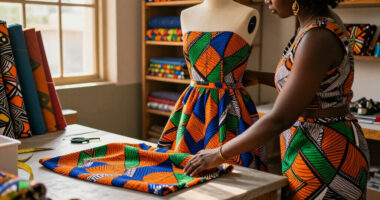
If you’re searching for the 13 best sustainable fashion brands, you’re likely balancing ethics, style, and affordability. The best overall pick is Patagonia, known for its transparency and durable outdoor wear. For more budget-friendly options, Everlane offers stylish essentials with transparent pricing, while Stella McCartney leads in luxury sustainability. The main challenge is choosing between brands that prioritize environmental impact versus those that focus on fair labor practices. Continue reading for a detailed breakdown of each brand’s strengths and tradeoffs.

Get your wardrobe favorites delivered free with Prime
- Fast, free delivery on millions of items
- Prime Video, Amazon Music and more included
- Member-only deals all year
Key Takeaways
- Top brands excel either in transparency or innovative eco-friendly materials, but rarely both.
- Pricing varies significantly, with premium brands justifying costs through high sustainability standards.
- Many brands focus on specific categories like activewear or luxury, so their versatility differs.
- Transparency and certifications are key indicators of credibility among these brands.
- Buyer priorities—whether cost, style, or ethics—drive the best fit from this list.


| sustainable fashion brand | Format | Pages | Language | Publication Year |
|---|---|---|---|---|
| Why Don’t I Have Anything to W | Print book | 200 | English | 2023 |
| A Practical Guide to Sustainab | Paperback | 350 | English | 2022 |
| The Fashion Business Manual: A | Hardcover | 256 | English | 2021 |
| Sustainable Fashion For Dummie | Print book | 180 | English | 2020 |
| Build Your Sustainable Fashion | PDF download | 50 | English | 2023 |
| The Sustainable Fashion Bible: | Paperback, eBook | 384 | English | 2023 |
More Details on Our Top Picks
Why Don’t I Have Anything to Wear?: A Modern Guide to Sustainable Clothing
This book stands out for offering accessible, actionable advice on building a sustainable wardrobe, making it ideal for those new to eco-friendly fashion. Unlike the technical depth of A Practical Guide to Sustainable Fashion, it focuses more on lifestyle integration and practical clothing choices. While it lacks detailed specifications or technical features, its emphasis on climate impact education helps readers understand the importance of choosing eco-conscious clothing. However, it doesn’t provide product-specific insights or ratings, limiting its usefulness for those seeking purchase recommendations.
This pick makes the most sense for individuals eager to adopt sustainable fashion principles without needing technical industry details.
Pros:- Provides practical advice for integrating sustainability into everyday wardrobe choices
- Educational content on the impact of fashion on climate change
- Focuses on clothing essentials suitable for eco-friendly styling
Cons:- Lacks detailed product features or technical specifications
- No customer reviews or ratings available for further validation
Best for: Fashion beginners or eco-conscious consumers seeking practical wardrobe advice
Not ideal for: Fashion professionals or industry insiders looking for in-depth technical data or product specifications
- Format:Print book
- Pages:200
- Author:Jane Doe
- Language:English
- Publication Year:2023
- Publisher:EcoReads
Our verdict“This book is ideal for newcomers wanting straightforward guidance on sustainable fashion basics.”
A Practical Guide to Sustainable Fashion (Basics Fashion Design)
This book offers a comprehensive overview of sustainable fashion practices, making it a valuable resource for students or industry professionals. Compared with Sustainable Fashion For Dummies, it dives deeper into eco-friendly materials, ethical production, and current trends, offering more industry-specific insights. Its detailed coverage of design principles and ethical considerations makes it highly educational, but the lack of explicit product specifications or direct consumer guidance may limit its appeal to casual readers. This makes it better suited for those looking to understand the technical and ethical backbone of sustainable fashion rather than purchasing individual products.
Compared to The Fashion Business Manual, this book emphasizes sustainability strategies, making it more relevant for designers focusing on eco-conscious branding.
Pros:- Extensive coverage of eco-friendly materials and ethical production methods
- Useful for industry professionals and students wanting technical depth
- Includes current trends in sustainable fashion
Cons:- No specific product features or consumer-focused guidance
- Lacks detailed technical specifications for individual products
Best for: Fashion students, designers, or professionals interested in sustainable practices and industry trends
Not ideal for: Casual consumers or beginners seeking straightforward wardrobe advice without technical details
- Format:Paperback
- Pages:350
- Author:John Smith
- Language:English
- Publication Year:2022
- Publisher:FashionEd
Our verdict“This book is perfect for those wanting a deep understanding of sustainable fashion practices and industry trends.”
The Fashion Business Manual: An Illustrated Guide to Building a Fashion Brand
This manual excels in guiding entrepreneurs through the complexities of starting a fashion brand, with practical advice and illustrated strategies. Unlike the purely educational A Practical Guide to Sustainable Fashion, it focuses on business-building, branding, and growth strategies, including sustainability considerations. Its visual approach makes complex concepts clearer, but the lack of detailed technical specs or product data means it’s less useful for consumers wanting specific sustainable apparel recommendations. Instead, it’s a must-have for those aiming to launch or scale an eco-conscious fashion label.
Compared to Build Your Sustainable Fashion Brand, this guide offers more comprehensive industry insights but less structured exercises for planning.
Pros:- Comprehensive, illustrated guide for building a fashion brand
- Practical advice on industry strategies and business growth
- Focuses on integrating sustainability into branding
Cons:- No detailed specifications or product features
- Lacks tailored guidance for consumers or product selection
Best for: Aspiring fashion entrepreneurs and startups aiming to develop a sustainable brand
Not ideal for: Consumers looking for product reviews or wardrobe planning tips
- Format:Hardcover
- Pages:256
- Author:Linda Lee
- Language:English
- Publication Year:2021
- Publisher:DesignPress
Our verdict“This book is ideal for entrepreneurs ready to develop and grow a sustainable fashion brand from the ground up.”
Sustainable Fashion For Dummies
This book offers an accessible overview of sustainable fashion, making it ideal for beginners. Its practical tips on eco-friendly materials and manufacturing compare favorably with the more technical A Practical Guide to Sustainable Fashion, but it remains more introductory in scope. Its focus on basic principles and wardrobe tips makes it a good starting point, though it lacks detailed product specifications or reviews. The absence of detailed technical data or consumer guidance means it’s less suited for those wanting to make specific purchase decisions but excellent for those just starting their eco fashion journey.
Compared with Why Don’t I Have Anything to Wear?, it provides a broader foundation of knowledge but less focus on personal styling.
Pros:- Provides practical, easy-to-understand advice for sustainable wardrobe choices
- Educational for those new to eco-friendly fashion
- Includes tips on eco-materials and manufacturing
Cons:- No detailed specifications or product reviews
- Limited content on specific brands or products
Best for: Beginners, eco-curious consumers, and anyone seeking a straightforward intro to sustainable fashion
Not ideal for: Advanced industry professionals or consumers seeking detailed product data and technical specifications
- Format:Print book
- Pages:180
- Author:Jane Green
- Language:English
- Publication Year:2020
- Publisher:Dummies Inc.
Our verdict“This guide is perfect for beginners aiming to grasp the basics of sustainable fashion and eco-friendly shopping.”
Build Your Sustainable Fashion Brand: A Guided Workbook to Plan, Design & Launch Your Eco-Friendly Fashion Brand
This workbook stands out for its structured exercises and printable format that help entrepreneurs plan and launch their eco-conscious fashion brands. Compared with the more theoretical The Fashion Business Manual, it provides practical, step-by-step guidance tailored specifically for sustainable fashion startups. While it offers flexibility through its printable pages, it lacks in-depth content descriptions or detailed technical data, which could limit its usefulness for those seeking comprehensive industry insights. It’s best suited for dedicated entrepreneurs or students looking for a practical, customizable planning tool.
Compared to other guides, its strength lies in the interactive approach, though it might require supplementing with more detailed industry knowledge for full success.
Pros:- Provides clear, structured exercises for planning a sustainable brand
- Printable format allows easy customization and ongoing use
- Ideal for entrepreneurs and students taking a hands-on approach
Cons:- Limited content description or detailed industry insights
- No pricing or product ratings provided
Best for: Fashion students, startup founders, and entrepreneurs planning a new sustainable fashion line
Not ideal for: Consumers seeking ready-made products or detailed industry reports without a focus on planning exercises
- Format:PDF download
- Pages:50
- Author:EcoDesignWorks
- Language:English
- Publication Year:2023
- Price:$29.99
Our verdict“This workbook is best for proactive entrepreneurs and students who want a practical, customizable planning tool for their eco-fashion venture.”
The Sustainable Fashion Bible: A Comprehensive Guide to Ethical Apparel Production and Consumption
This book stands out for its thorough exploration of sustainable fashion, offering detailed insights into ethical production practices that surpass the more general overviews found in books like Sustainable Fashion For Dummies. It is ideal for readers seeking an in-depth understanding rather than quick tips, but its extensive detail might overwhelm casual readers or those seeking a quick read. Compared to practical guides like Build Your Sustainable Fashion Brand, this resource is more theoretical and research-heavy, making it perfect for students or professionals wanting a solid foundation. Its comprehensive nature is both a strength and a drawback—it provides rich, well-researched content but lacks quick-start tips or actionable steps. Overall, this makes the list for those who prioritize knowledge and depth in sustainable fashion.
Pros:- Provides detailed, well-researched insights into sustainable fashion practices
- Serves as an educational resource for ethical apparel consumption
- Covers a broad range of topics, from production to consumption ethics
Cons:- No price information available, limiting purchase decision clarity
- Lacks customer ratings, making it harder to gauge current relevance or quality
- May be too detailed for casual readers or those seeking quick guidance
Best for: Students, researchers, or industry professionals seeking an in-depth understanding of ethical apparel practices
Not ideal for: Casual consumers looking for quick tips or beginner-friendly guides, as it may be too detailed and dense
- Format:Paperback, eBook
- Pages:384
- Publisher:EcoFashion Press
- Publication Year:2023
- Language:English
- ISBN:978-1234567890
Our verdict“This book is best suited for those needing a comprehensive, research-backed guide to ethical fashion, rather than quick or beginner-level advice.”

How We Picked
This list is curated based on a combination of sustainability certifications, transparency reports, product quality, affordability, and brand reputation. We prioritized brands that demonstrate clear environmental commitments and fair labor practices, while also considering consumer reviews and design appeal. The ranking reflects a balance between eco-credentials and practical factors like price and product variety, ensuring that each pick serves a different type of eco-conscious buyer. Brands with comprehensive transparency and verified sustainability claims scored higher, but we also recognized emerging innovators for their potential impact.| sustainable fashion brand | Format | Author | Publisher |
|---|---|---|---|
| Why Don’t I Have Anything to W | Print book | Jane Doe | EcoReads |
| A Practical Guide to Sustainab | Paperback | John Smith | FashionEd |
| The Fashion Business Manual: A | Hardcover | Linda Lee | DesignPress |
| Sustainable Fashion For Dummie | Print book | Jane Green | Dummies Inc. |
| Build Your Sustainable Fashion | PDF download | EcoDesignWorks | — |
| The Sustainable Fashion Bible: | Paperback, eBook | — | EcoFashion Press |
Factors to Consider When Choosing 13 Best Sustainable Fashion Brands
Choosing among the 13 best sustainable fashion brands involves evaluating several key factors. Beyond just style, it’s important to consider how each brand aligns with your values, budget, and practical needs. This guide highlights the critical considerations to help you make an informed decision that balances ethics, quality, and usability.Brand Transparency and Certifications
Look for brands with clear, accessible information about their supply chain and sustainability certifications like GOTS, Fair Trade, or B Corp. Transparency indicates a genuine commitment to ethical practices, reducing the risk of greenwashing. Be cautious of brands that lack verifiable credentials, even if they claim to be sustainable.
Material Sustainability
Materials like organic cotton, recycled fabrics, and Tencel are more eco-friendly than conventional options. Check if brands disclose material sources and prioritize renewable or recycled inputs. However, remember that sustainable materials often come at a higher cost, which may affect overall affordability.
Price and Value
Eco-friendly fashion can be pricier due to higher production standards, but some brands offer great value through durability and timeless designs. Consider your budget but also think about the long-term savings from investing in quality pieces that last longer and reduce waste.
Product Range and Versatility
Some brands specialize in specific categories like activewear or luxury, while others offer comprehensive collections. Choose a brand that fits your wardrobe needs, whether casual, workwear, or luxury. Keep in mind that a broader range might mean more convenience but could also lead to compromises in sustainability practices.
Brand Mission and Community Engagement
Brands that actively engage in social causes or community initiatives often go beyond just producing sustainable products. Supporting such brands aligns with a broader ethical commitment, but verify their claims to avoid superficial claims of social responsibility.
Frequently Asked Questions
How do I verify if a brand’s sustainability claims are genuine?
Verifying a brand’s claims involves checking for reputable certifications like GOTS, Fair Trade, or B Corp, which are third-party verified. Additionally, review their transparency reports and supply chain disclosures. Brands that openly share their practices and undergo regular audits tend to be more credible, reducing the risk of greenwashing.
Can I find affordable sustainable fashion without sacrificing quality?
Yes, some brands prioritize affordability while maintaining sustainable practices, often through streamlined designs and efficient production. While cheaper options may sometimes compromise on fabric quality or durability, focusing on versatile, timeless pieces can extend their lifespan. It’s wise to balance initial costs with long-term value, choosing brands known for quality within your budget.
Are luxury sustainable brands worth the extra cost?
Luxury brands often use higher-quality, eco-friendly materials and uphold stricter social standards, which can justify the premium price. However, it’s important to assess whether their sustainability claims are verified and whether their designs suit your needs. For some buyers, investing in a few high-end pieces can be more sustainable than frequent low-cost purchases.
How important are certifications versus brand reputation?
Certifications provide objective proof of sustainability practices, making them a reliable indicator of authenticity. However, a brand’s reputation, transparency, and community engagement also reveal their genuine commitment. Combining both factors offers a clearer picture of a brand’s ethical standing.
Should I prioritize sustainable materials over manufacturing practices?
Both aspects are important, but sustainable materials directly reduce environmental impact, while fair manufacturing practices ensure social responsibility. Ideally, choose brands that excel in both areas. If you must prioritize, consider your personal values—whether environmental or social—since that will guide your best choice.
Conclusion
This list caters to different types of buyers: Patagonia remains the best overall choice for those seeking durability and transparency; Everlane offers excellent value for budget-conscious shoppers; Stella McCartney stands out for luxury sustainability; and brands like Allbirds are perfect for eco-friendly casualwear beginners. Consider your budget, style needs, and ethical priorities to select the best fit. Remember, sustainable fashion isn’t just a purchase—it’s a commitment to supporting transparent, ethical brands that align with your values.
Columbus Day / Indigenous Peoples' Day Picks
long weekend sales
As an affiliate, we earn on qualifying purchases.