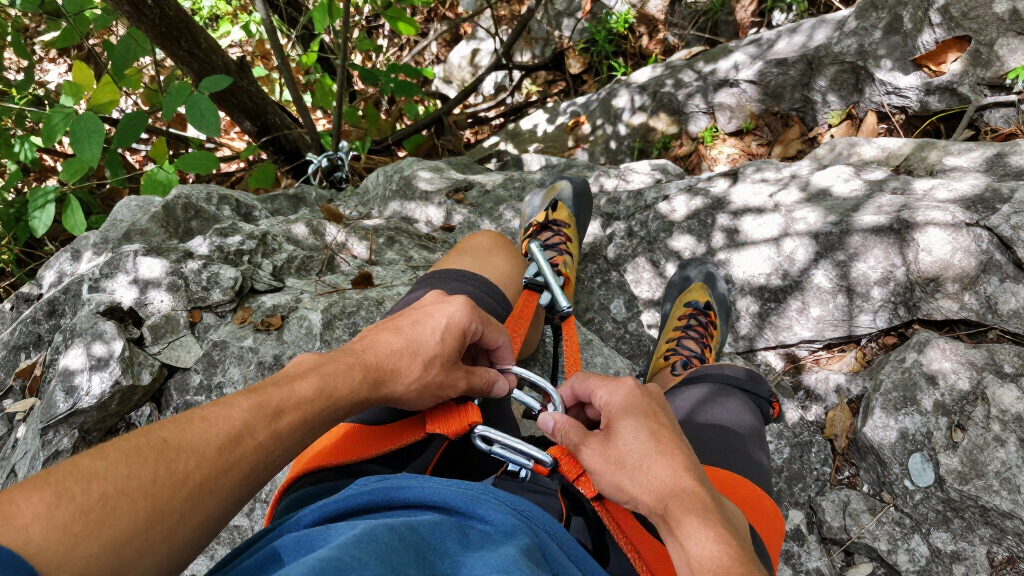

Finding the best climbing gear depends on your specific climbing style, skill level, and safety priorities. The Petzl Grigri stands out as the top overall choice for its reliability and ease of use, especially for sport climbers. The Black Diamond Momentum Harness offers great comfort for all-day climbing, making it ideal for beginners. Meanwhile, specialized tools like the FresKaro Auto-Locking Carabiners cater to those needing extra security for technical routes. Tradeoffs in this category often involve balancing price, durability, weight, and versatility. Continue reading for a detailed breakdown of these options and how to choose the gear that’s right for you.

Get your wardrobe favorites delivered free with Prime
- Fast, free delivery on millions of items
- Prime Video, Amazon Music and more included
- Member-only deals all year
Key Takeaways
- Top picks are distinguished by balancing safety features with usability and weight.
- Premium options like the Petzl Grigri prioritize durability and advanced functionality, often at a higher cost.
- Versatility in harnesses and carabiners makes them suitable for multiple climbing disciplines.
- Price often correlates with build quality and added safety features, but some budget options perform surprisingly well.
- The importance of certifications like UIAA and CE ensures products meet safety standards for professional use.


More Details on Our Top Picks
50kN Figure 8 Rescue Descender with Bent Ears
This heavy-duty figure 8 descender excels in rescue and work-at-height scenarios, thanks to its impressive 50 kN breaking strength and smooth rope handling. Compared with smaller, lighter descenders, its large size and rugged build support controlled braking under high loads, making it ideal for professional rescue teams or heavy-duty applications. Its bent ears facilitate lock-offs, reducing hand fatigue during prolonged use—crucial for emergency situations. However, this design does come with a tradeoff: the bulkier, heavier construction might be less comfortable for frequent climbers or those seeking minimal gear. Additionally, the absence of a specified compatible rope diameter limits versatility for some users. This descender is best suited for rescue professionals or climbers prioritizing safety and durability over portability.
Pros:- High 50 kN breaking strength ensures safety during heavy loads
- Bent ears enable easier lock-offs and controlled braking
- Smooth rope action enhances handling during critical moments
- Suitable for a variety of high-stress applications
Cons:- Large, bulky design reduces portability and ease of handling
- No specified rope diameter compatibility may limit use with some ropes
Best for: Rescue teams, professional climbers, or those needing maximum load capacity and durability
Not ideal for: Lightweight backpackers or climbers seeking a compact, lightweight descender for sport climbing
Our verdict“This descender is perfect for rescue professionals or heavy-duty climbing where safety and strength take priority over size.”
FresKaro 25kN UIAA-Certified Auto-Locking D-Shaped Climbing Carabiners, 3-Pack
This 3-pack of FresKaro carabiners offers a compelling combination of UIAA certification and automatic twist-locking for seamless one-handed operation, making it ideal for demanding climbing and rescue tasks. Compared to standard screw-locks, the auto-lock mechanism supports quick clip-ins and reduces accidental opening risks, a significant advantage for busy or high-stakes environments. The deep basket enhances gear security, while the lightweight design at just over 2 ounces per carabiner minimizes fatigue. However, the narrow 0.66-inch gate opening may restrict compatibility with bulkier ropes or gear, and the two-step twist-lock can require practice for smooth operation. Overall, these carabiners are a solid choice for climbers who value efficiency and reliability, but less suited for those needing wider gate access or simple screw-locks.
Pros:- UIAA-certified with a 25kN major-axis strength rating
- Automatic twist-lock supports quick, one-handed operation
- Lightweight at just over 2 ounces per carabiner
- Snag-resistant keylock nose reduces gear snagging
Cons:- Relatively narrow gate opening limits compatibility with some gear
- Two-step twist-lock may require practice to operate smoothly
Best for: Climbers and rescue personnel who prioritize quick, secure locking and lightweight gear
Not ideal for: Climbers working with very thick ropes or gear that requires a wider gate opening
Our verdict“These carabiners excel for climbers needing reliable, auto-locking gear that’s easy to handle and carry, with some limitation on gate width.”
WILDKEN Climbing Ascender Fall Protection Belay Device Rope Grab
The WILDKEN ascender stands out for its durability and lightweight magnesium alloy construction, making it suitable for various climbing and rescue applications. Unlike simpler ascenders, this device features automatic locking and a bidirectional connection, enhancing safety and ease of use during ascent or belay. Its support for ropes 8-13mm narrows its use to standard ropes, which is adequate for most climbing scenarios but limits compatibility with thicker or thinner ropes. The device’s 95g weight ensures it’s manageable for extended use, though some may find it slightly heavy compared to ultra-light options. Proper training is essential to maximize safety, and its maximum bearing capacity of 220 lbs suits most climbers but isn’t for heavier loads. Overall, it’s a durable, versatile tool for climbers needing a dependable ascender or safety device.
Pros:- High-quality magnesium alloy offers durability and weight savings
- Automatic locking enhances safety during ascent
- Bidirectional connection supports flexible climbing setups
- Supports ropes 8-13mm in diameter
Cons:- Limited to ropes 8-13mm, restricting versatility
- Requires proper training for safe operation
- Potentially heavier than ultra-light options for long climbs
Best for: Climbers and rescuers needing a durable, automatic rope grab for ascent or belay
Not ideal for: Rope systems outside the 8-13mm diameter range or users seeking ultra-light gear
Our verdict“This ascender is well-suited for climbers and rescuers who need a tough, reliable safety device with automatic locking features.”
Petzl Grigri Rock Climbing Belay Device
The Petzl Grigri remains a favorite for its cam-assisted braking system, delivering smooth and secure belaying for single ropes from 8.5 to 11 mm. Compared with manual belay devices, the ergonomic handle allows for more controlled lowering, reducing fatigue and increasing safety during long sessions. The internal diagrams help prevent setup errors, which is vital for beginners or less frequent users. Its lightweight construction at just 175 grams makes it easy to carry for outdoor routes, while the stainless steel cam enhances durability. However, it’s limited to single dynamic ropes, and it doesn’t support auto-locking or hands-free operation, which could be drawbacks for some users. Overall, this device shines where precision and control are priorities in belaying.
Pros:- Cam-assisted system provides smooth, controlled belaying
- Ergonomic handle improves handling and reduces fatigue
- Engraved diagrams help prevent setup mistakes
- Lightweight yet durable construction
Cons:- Limited to ropes 8.5-11 mm, less versatile for wider ropes
- Requires manual operation—no auto-lock feature
- Not a hands-free auto-locking device
Best for: Climbers who want a reliable, controlled belay device for single ropes in both gym and outdoor settings
Not ideal for: Climbers seeking auto-locking or hands-free belay devices, or those working with wider ropes
Our verdict“Best suited for climbers who need precise, controlled belaying with a device that offers excellent safety features for single ropes.”
PETZL TIBLOC Ultra-Compact Emergency Ascender, Orange
The PETZL TIBLOC stands out as an ultra-lightweight 35g backup or emergency ascender for climbing and rescue situations. Unlike larger ascenders, its automatic carabiner engagement allows quick attachment, making it ideal for self-rescue or emergency hauling. The self-cleaning stainless steel cam ensures reliable operation even on muddy, icy, or frozen ropes, which is critical in rescue scenarios. However, its limited compatibility with ropes 8–11 mm means it’s primarily a backup device rather than a primary ascent tool. Its small size and weight make it perfect for emergency kits, but less suitable for extended or regular ascents. This ascender is best for climbers and rescue personnel seeking a compact, reliable backup device.
Pros:- Extremely lightweight and compact, easy to carry
- Engages rope immediately with minimal slippage
- Works effectively on muddy, icy, or frozen ropes
- Ideal as an emergency or backup device
Cons:- Limited to 8–11 mm ropes, not suitable for all climbing ropes
- Primarily designed for emergency use, not regular ascents
- Lacks advanced features of larger ascent devices
Best for: Rescue teams, climbers looking for a lightweight backup ascender for emergencies
Not ideal for: Regular ascents or climbers needing a primary ascender for frequent use
Our verdict“This tiny ascender is perfect for emergency kits and rescue situations where weight and size are critical.”
Chalk Bag for Rock Climbing with Storage Pockets and Adjustable Belt
This chalk bag stands out for its combination of durability, storage, and secure fit, making it a versatile choice for serious climbers. Its anti-leak construction and fleece lining prevent chalk spills and keep hands dry, outperforming simpler bags that lack waterproof features. The large zipper pockets are ideal for carrying essentials like keys or small gear, unlike minimalist bags that offer only chalk storage. While the size and animal-themed design add character, they might not suit users preferring a sleeker, more understated look. Compared with smaller, simpler bags, this model offers more storage and protection, though it sacrifices portability for larger capacity.
Pros:- Anti-leak design prevents chalk spills
- Large zipper pockets for storing small essentials
- Adjustable belt for a secure fit
- Waterproof, durable fabric
Cons:- May be too bulky for those who prefer minimal gear
- Design may not appeal to all preferences
Best for: Climbers who want a durable, multi-functional bag suitable for both indoor and outdoor use, and need space for gear and accessories.
Not ideal for: Minimalist climbers or those preferring a lightweight, compact chalk pouch for quick sessions or bouldering without extra storage.
- Material:Durable, waterproof fabric with fleece lining
- Storage:Two large zipper pockets
- Size:Large opening with stiffened rim
- Adjustability:Quick clip belt and small carabiner included
- Design:Animal-themed, tested by climbers
Our verdict“This chalk bag is best suited for climbers seeking durability and storage, even if it means a larger size.”
GM Climbing 16mm Nylon Sling Runner 22kN, CE & UIAA Certified
This nylon sling offers a compelling mix of strength and affordability, making it a staple for outdoor climbers and mountaineers. Its 22kN breaking strength ensures reliability during critical moments, comparable to more expensive options like premium slings but at a lower price point. The 16mm width balances durability and flexibility, suitable for anchoring and extending protection. Unlike thinner slings, this one provides a more comfortable grip and less risk of cutting into webbing or gear. Its multiple length options—30cm, 60cm, and 120cm—add versatility, although the limited color choices might not suit climbers wanting more customization. Compared with ultra-light slings, this model prioritizes durability over weight savings, making it better for trad and sport routes with moderate pack weight.
Pros:- High 22kN breaking strength for safety
- Lightweight and easy to carry
- Multiple lengths for versatile use
- Bright colors for easy identification
Cons:- Limited color options for personalized preference
- Designed specifically for climbing and mountaineering, not casual use
Best for: Outdoor climbers and trad enthusiasts who want reliable, high-strength slings without a premium price.
Not ideal for: Ultra-light backpackers or minimalist climbers who prefer the lightest gear possible, since this sling adds some weight for strength.
- Material:Tube nylon webbing
- Width:16mm / 5/8 inch
- Lengths:30cm, 60cm, 120cm
- Breaking strength:22kN
- Certification:CE, UIAA
Our verdict“Ideal for climbers seeking strong, reliable slings at a great value for outdoor and trad climbing.”
NewDoar UIAA & CE Certified Hand Ascender Rope Clamp for 8-13mm Rope
This hand ascender is a strong choice for climbers, arborists, and rescue workers who need a reliable device for ascending ropes. Its UIAA and CE certification demonstrate a commitment to safety, comparable to higher-end models but at a more accessible price. The lightweight aluminum frame (only 0.52 lbs) makes it easy to carry during long climbs or rescue operations, and the rustproof stainless steel cam ensures durability in harsh environments. Unlike bulkier devices, its compact design allows for quick attachment and removal, although the limited rope compatibility (8-13mm) might restrict use in some scenarios. It excels in safety and portability, though it’s best suited for ropes within its specified diameter range.
Pros:- UIAA and CE certified for safety
- Lightweight aluminum construction
- Corrosion-resistant stainless steel cam
- Multiple attachment points for versatility
Cons:- Limited to ropes 8-13mm in diameter
- Not suitable for larger or smaller ropes outside this range
Best for: Climbers, arborists, and rescue personnel needing a lightweight, certified ascender for technical rope work within 8-13mm diameter ropes.
Not ideal for: Climbers using ropes outside 8-13mm or requiring a more versatile device capable of handling larger or smaller ropes.
- Certification:UIAA & CE
- Weight Limit:140kg / 308 lbs
- Breaking Strength:8.5 kN
- Tension:4 kN
- Compatible Rope Size:8-13mm
- Weight:0.52 lbs (237g)
Our verdict“This ascender makes sense for those needing a safe, lightweight device within its size range, especially for technical rope work.”
Black Diamond Men’s Momentum Rock Climbing Harness
The Momentum harness from Black Diamond makes this list for its dual core construction that distributes weight evenly, reducing fatigue during long climbs or trad routes. Its quick-adjust Speed Adjust waistbelt and trakFIT leg-loop adjustments streamline fitting, outperforming harnesses with fixed or cumbersome sizing systems. The four pressure-molded gear loops and haul loop offer ample space for gear organization, suitable for sport and trad climbing alike. However, the minimalist padding, while reducing bulk, may not provide enough cushioning for climbers seeking maximum comfort on extended sessions. Compared with harnesses with more padding, this model prioritizes performance and lighter weight, which is ideal for experienced climbers but less so for beginners wanting plush comfort.
Pros:- Dual Core Construction for even weight distribution
- Quick and easy adjustments with pre-threaded buckle
- Multiple gear loops and haul loop for organization
- Durable materials withstand repeated use
Cons:- Minimalist padding may be less comfortable for some
- Less cushioning for those seeking maximum comfort
Best for: Climbers who prioritize all-day comfort and gear organization for sport, trad, or gym climbing, especially those with longer sessions.
Not ideal for: Beginners or climbers seeking maximum padding and soft support, as the harness offers a more streamlined fit.
- Fabric type:Nylon, Aluminum, Polyester
- Care instructions:Hand wash only
- Gear loops:4 pressure-molded
- Adjustment:Speed Adjust waistbelt, trakFIT leg-loop
- Origin:Imported
Our verdict“This harness is best suited for climbers who value comfort during long routes and need reliable gear organization.”
Adjustable Half-Body Climbing and Rescue Harness
This half-body harness stands out for its high load capacity and versatility for rescue, caving, and climbing. Its 300 kg maximum load and 25 kN tensile strength surpass typical climbing harnesses, making it suitable for heavy-duty applications. The wide adjustment range on both waist and leg straps ensures a secure fit for a variety of body sizes, unlike more restrictive models. The four equipment hooks and durable D-rings facilitate tool and gear management during complex operations, comparable to professional rescue gear. However, its weight of 2.2 pounds could be a drawback for extended wear, and the half-body design offers less upper-body support—better suited to specialized tasks than everyday climbing. This harness is ideal for rescue professionals or those engaged in heavy-duty work, not casual climbing.
Pros:- High maximum load of 300 kg
- Wide adjustment for various body sizes
- Four gear hooks for efficient tool storage
- Reinforced stitching and durable polyester
Cons:- Heavy at 2.2 lbs, less suitable for long durations
- Half-body design provides less upper support
Best for: Rescue teams, cavers, or heavy-duty climbers needing a robust, high-capacity harness for demanding environments.
Not ideal for: Casual climbers or those seeking lightweight, all-around harnesses for sport or gym climbing, due to its weight and specialized design.
- Material:Polyester fiber
- Harness Type:Half-body
- Weight:2.2 lbs
- Maximum Load:300 kg
- Tensile Strength:25 kN
- Waist Size:70–130 cm
- Leg Size:46–70 cm
- Equipment Hooks:4
Our verdict“This harness is best for those needing a heavy-duty, high-capacity option for rescue or industrial applications, not casual climbing.”
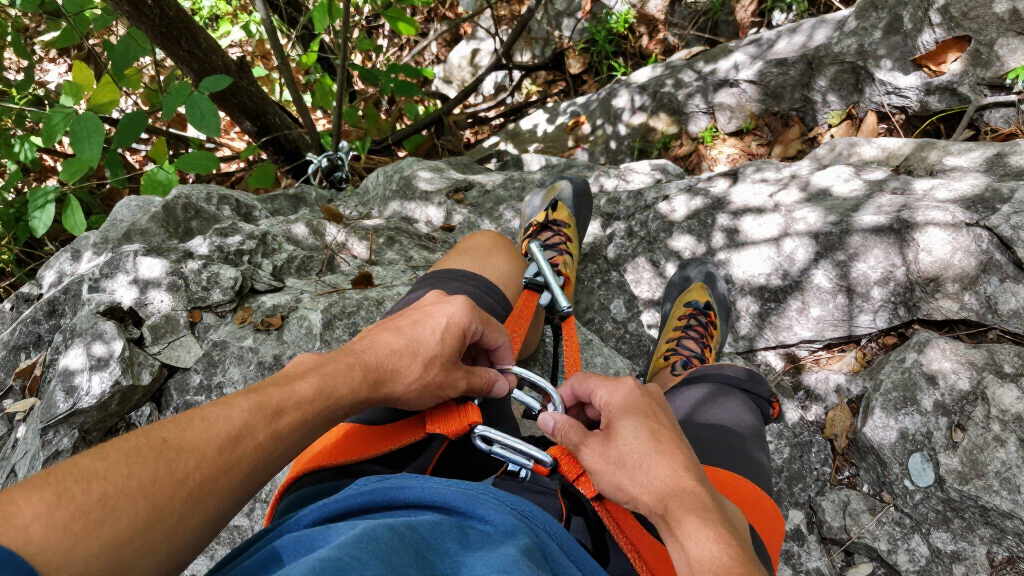
How We Picked
Products were selected based on a combination of safety certifications, build quality, user reviews, and versatility across climbing styles. We prioritized gear that offers a strong balance of durability, ease of use, and value, ensuring each item meets essential safety standards. The ranking reflects how well each product performs in real-world situations, considering maintenance, price-to-performance ratio, and suitability for different skill levels. Our selections also emphasize gear that is trusted by professionals and experienced climbers, providing a reliable guide for a wide range of users.Factors to Consider When Choosing Best Climbing Gear
Choosing the best climbing gear requires understanding several key factors that influence safety, comfort, and performance. Beyond brand reputation and features, climbers should consider their specific type of climbing, frequency of use, and personal preferences. Making the right choice involves balancing these factors with your budget and long-term goals, avoiding common pitfalls like underestimating safety standards or overpaying for features you won’t use.Safety Certifications and Standards
Always prioritize gear with recognized safety certifications like UIAA and CE. These standards ensure the product has undergone rigorous testing for strength and reliability. Skipping certification can lead to equipment that might fail under stress, risking injury. Remember, cheaper gear without certifications may save money initially but could cost much more in safety risks later.
Type of Climbing and Gear Compatibility
Your climbing style—whether sport, trad, or rescue—dictates the type of gear needed. For example, a belay device like the Petzl Grigri excels in sport climbing but may be less suitable for trad routes that require different setups. Ensuring compatibility between harnesses, carabiners, and other accessories prevents frustrating mismatches and improves safety and efficiency during climbs.
Weight and Portability
Lightweight gear benefits those who climb long routes or multi-pitch climbs, reducing fatigue and increasing mobility. However, ultra-light gear may sacrifice some durability or safety margin. Assess your climbing environment and choose a balance—heavier gear offers durability, but optimal weight can significantly enhance your overall experience.
Durability and Maintenance
Investing in durable gear reduces replacement costs and ensures safety over time. Materials like aluminum and high-strength nylon are common, but how you care for your gear also matters. Regular inspection, cleaning, and proper storage extend lifespan and maintain safety standards, especially for high-use items like harnesses and carabiners.
Price and Value
While premium gear often offers extra safety features and longevity, it isn’t always necessary for casual climbers. Conversely, cheap gear might compromise safety and durability. Focus on getting the best value within your budget—prioritize safety certifications and essential features over unnecessary bells and whistles. Sometimes, investing a bit more upfront pays off in peace of mind and performance.
Frequently Asked Questions
How do I know if a climbing harness fits properly?
A well-fitting harness should sit snugly around your waist and legs without pinching or causing discomfort. It should be tight enough that it doesn’t shift when you move, but not so tight that it restricts blood flow. Most harnesses have adjustable straps to customize fit, so take the time to adjust and test it before climbing. Proper fit is essential for safety and comfort during your climb.
Are expensive carabiners worth the extra cost?
Higher-priced carabiners often feature enhanced materials, locking mechanisms, and certifications that ensure greater safety and durability. If you climb frequently or in demanding conditions, investing in premium carabiners can provide peace of mind. However, for casual or beginner climbers, mid-range options with proper certifications usually suffice. Always prioritize safety features over price alone.
Can I use a rescue descender for regular climbing?
Rescue descenders like the 50kN Figure 8 are designed for specific safety and rescue operations, not for regular climbing. They often lack the finesse and ease of use of standard belay devices and may pose safety risks if misused. For everyday climbing, stick with dedicated belay devices like the Petzl Grigri or traditional tube-style devices, which are designed for routine safety and control.
How often should I replace climbing gear?
Climbing gear should be inspected before each use and replaced if it shows signs of wear, such as fraying, deformation, or corrosion. Harnesses and slings typically last 5-10 years with proper care, but this can vary based on usage frequency and conditions. Carabiners and belay devices may last even longer if maintained well. Regular inspection and adherence to manufacturer guidelines are key to maintaining safety over time.
What’s the biggest mistake beginners make when choosing climbing gear?
Many beginners underestimate the importance of safety certifications and buy gear based solely on price or brand reputation. This can lead to equipment that isn’t reliable or safe in emergency situations. Another common mistake is using gear that doesn’t fit properly or isn’t suited to their climbing style. Taking the time to select certified, well-fitting gear designed for your specific needs ensures a safer, more enjoyable climbing experience.
Conclusion
For those just starting out or climbing casually, the Black Diamond Momentum Harness offers a comfortable, reliable option at a reasonable price. Serious sport climbers and professionals should consider the Petzl Grigri for its advanced features and durability. If safety and long-term investment are priorities, premium gear like high-certification carabiners and durable harnesses are worth the extra cost. Budget climbers can find quality options that meet safety standards without overspending, but should always verify certifications. Ultimately, your choice depends on your climbing style, frequency, and safety expectations—use this guide to match gear to your needs confidently.
Columbus Day / Indigenous Peoples' Day Picks
long weekend sales
As an affiliate, we earn on qualifying purchases.