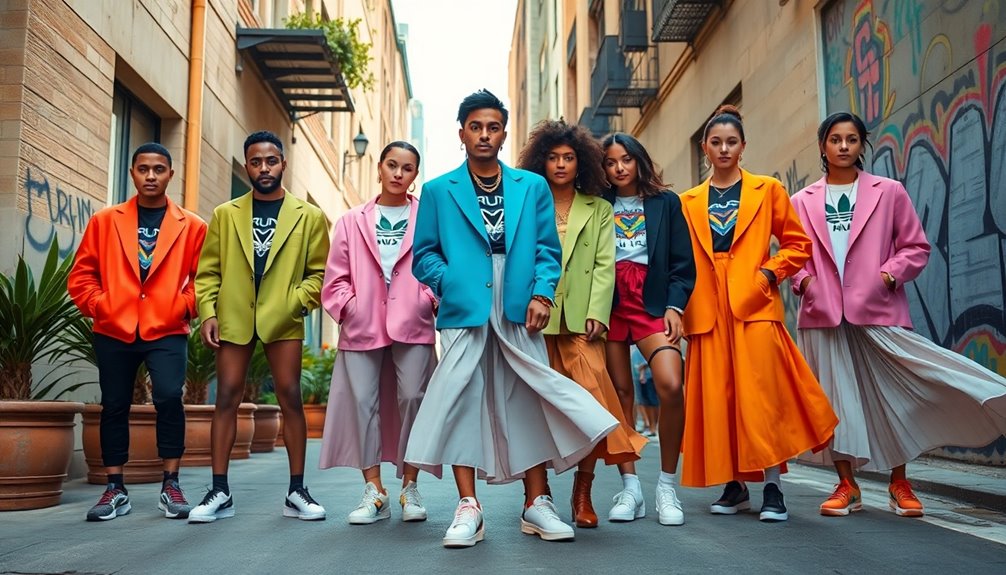
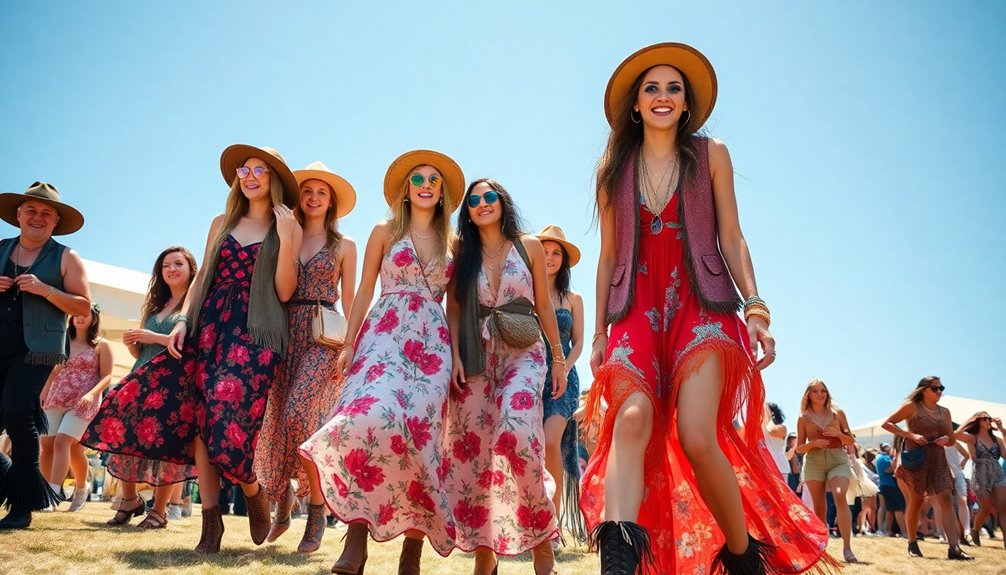
Red accents everywhere have become a popular microtrend, adding bold, energetic touches to your fashion and home. This trend focuses on small, strategic pops of red—like accessories or decor—that make a big impact without overdoing it. Red’s power to evoke passion and draw attention means even subtle use can transform your look or space instantly. Keep exploring to discover how this subtle shift can refresh your style and surroundings in simple ways.
Key Takeaways
- Microtrends like red accents are brief shifts in consumer behavior that create impactful visual and emotional effects.
- The red accents microtrend involves strategic use of red in small doses across fashion and interior design.
- Red influences feelings of energy, passion, and urgency, making it an effective accent color.
- In fashion, red accents appear as accessories, offering versatile styling options without full commitment.
- Interior designers use red accents in small elements to add dynamism and visual interest to spaces.

Microtrends are small, short-lived shifts in consumer behavior or popular culture that can have outsized impacts on industries and markets. One such microtrend gaining momentum is the surge of red accents everywhere. From fashion runways to interior design, the strategic use of red is making a bold statement. This trend isn’t just about flashing a bright color; it’s rooted in the principles of color psychology, which reveal how different hues influence emotions and perceptions. Red, often associated with energy, passion, and urgency, draws attention and evokes powerful feelings. When you incorporate red accents into your wardrobe or space, you tap into this psychological effect, creating an immediate sense of excitement or importance.
In fashion, accessory styling plays a key role in this microtrend. You might notice that small red details—like a bright scarf, bold earrings, or a striking belt—can elevate an entire look. These little touches of red serve as focal points, steering the overall vibe from subdued to striking without overwhelming the outfit. Accessorizing with red is a clever way to stay on trend without committing to a full head-to-toe color shift. It allows you to experiment with the microtrend in a manageable, versatile way. Plus, red accessories are surprisingly easy to incorporate into various styles, from casual to formal, making this microtrend accessible for everyone.
The appeal of red accents extends beyond fashion. Interior designers are using red in small doses—think throw pillows, vases, or artwork—to inject energy into living spaces. This microtrend is about creating visual impact with minimal effort. When you add a few red elements, you can dramatically change the mood of a room, making it feel more dynamic and lively. The key is balance; too much red can feel overwhelming, but strategic placement ensures the trend remains fresh and engaging. It’s all about subtlety and intention, aligning perfectly with the current desire for quick, impactful updates. Additionally, understanding color psychology can help you choose the right red shades to evoke specific emotions or atmospheres.
red accent throw pillows
As an affiliate, we earn on qualifying purchases.
As an affiliate, we earn on qualifying purchases.
Frequently Asked Questions
How Did Red Become the Dominant Accent Color in Design Trends?
Red became the dominant accent color in design trends because of its strong history origins and bold color psychology. You might notice its roots in ancient symbolism, representing power, passion, and energy. Its vibrant nature captures attention and evokes excitement, making it ideal for accents. Designers choose red to create contrast and stimulate emotions, ensuring it remains a popular choice for adding dynamism and warmth to various spaces.
What Are the Best Ways to Incorporate Red Accents Without Overwhelming a Space?
To incorporate red accents without overwhelming a space, focus on subtle balancing and color coordination. Use small pops of red in accessories like throw pillows, artwork, or vases to add vibrancy without overpowering. Pair red with neutral tones like white, gray, or beige to create harmony. Keep the red accents intentional and sparing, so they complement your overall design without dominating the room’s aesthetic.
Are There Cultural or Psychological Reasons Behind the Popularity of Red Accents?
Red accents are popular because of their strong cultural symbolism and psychological impact. You might find that red symbolizes energy, passion, and luck in many cultures, making it a powerful choice for décor. Psychologically, red stimulates excitement and attention, which is why it’s used to create focal points. When you incorporate red accents thoughtfully, you tap into these deep-rooted associations, making your space feel lively and emotionally engaging.
How Can Red Accents Be Adapted for Different Interior Styles?
You can adapt red accents for different interior styles by using strategic color pairing and intentional furniture placement. For a modern look, pair red with black and sleek furniture. For a rustic vibe, combine red with earthy tones and vintage pieces. In minimalist spaces, add red through small accessories and thoughtful furniture placement to create focal points. By balancing colors and positioning, you guarantee red accents enhance your style seamlessly.
What Are Some Common Mistakes to Avoid When Using Red Accents?
When using red accents, avoid common mistakes like color clashing with other bold hues, which can create visual chaos. Don’t overuse red; too many accents can overwhelm your space and detract from its harmony. Instead, balance red with neutral tones or subtle patterns. Be strategic with placement, and guarantee the red accents highlight key features rather than dominate the room. This approach keeps your interior stylish and cohesive.
red statement jewelry
As an affiliate, we earn on qualifying purchases.
As an affiliate, we earn on qualifying purchases.
Conclusion
So, now that you’ve seen how red accents are taking over, you might wonder what’s next. Will bold pops of color become your signature or fade away into the background? One thing’s for sure—these microtrends have a way of surprising us. Keep an eye out, because what’s trending today could be yesterday’s forgotten fad tomorrow. Ready to make your move? The next big thing could be just around the corner—and you won’t want to miss it.
red decorative vases
As an affiliate, we earn on qualifying purchases.
As an affiliate, we earn on qualifying purchases.
red accent wall art
As an affiliate, we earn on qualifying purchases.
As an affiliate, we earn on qualifying purchases.