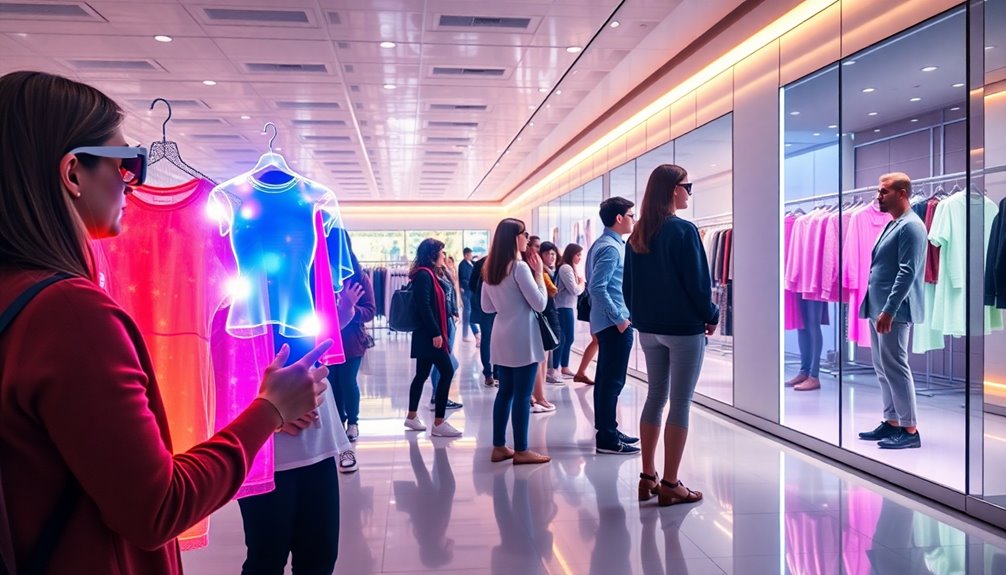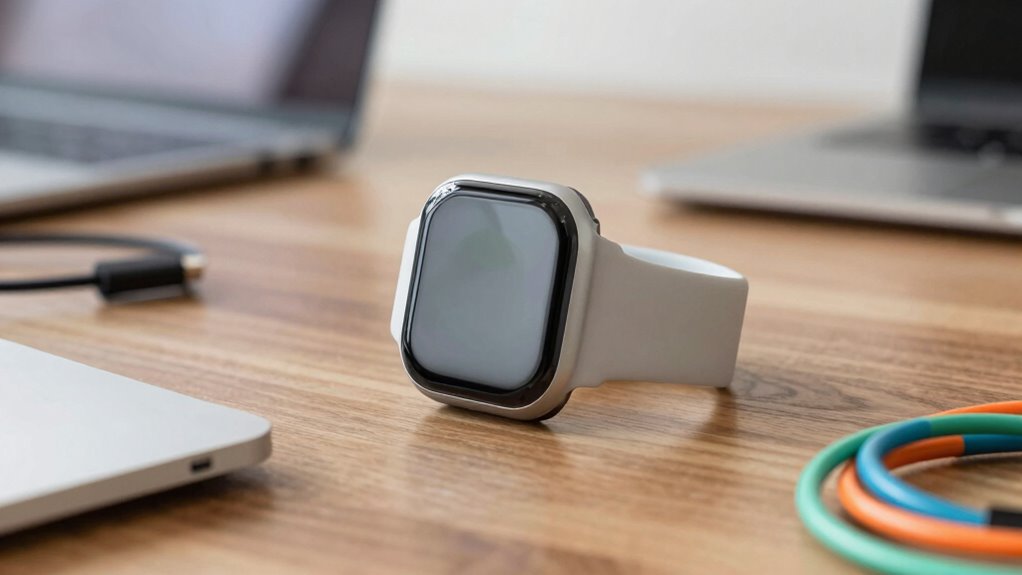

You need to recognize that better design thinking makes wearable tech more comfortable, attractive, and easy to incorporate into your daily routine. When devices are ergonomically crafted, they feel natural and almost invisible on you, encouraging frequent use. Combining thoughtful aesthetic appeal with function helps guarantee the gadgets complement your style and lifestyle. Prioritizing human-centered and sustainable design creates products that truly resonate with users like you. Keep exploring to discover how improved design transforms your wearable experience.

Get your wardrobe favorites delivered free with Prime
- Fast, free delivery on millions of items
- Prime Video, Amazon Music and more included
- Member-only deals all year
Key Takeaways
- Enhanced ergonomic design ensures comfort for prolonged wear, increasing user adherence and overall device effectiveness.
- Aesthetic appeal aligns with personal style, encouraging consistent use and positive user experience.
- Human-centered design and sustainability promote long-term acceptance and environmental responsibility.
- Balancing functionality with style creates seamless integration into daily life, making gadgets more inviting and accessible.
- Prioritizing thoughtful design transforms wearable tech into essential, user-friendly tools rather than mere gadgets.
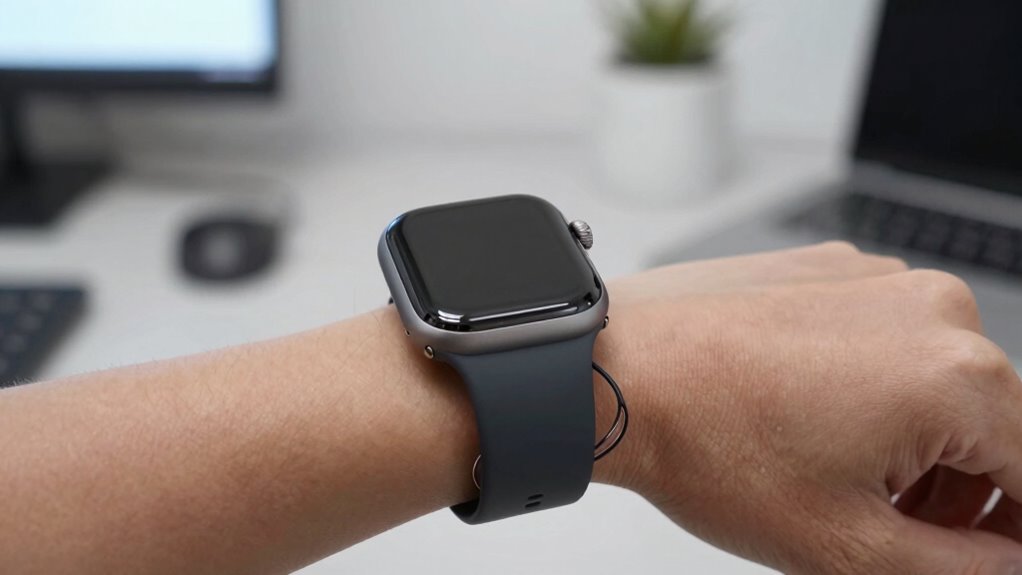
Have you ever wondered how wearable tech seamlessly blends function with style? It’s a design challenge that requires more than just sleek appearances; it demands thoughtful integration of ergonomic comfort and aesthetic appeal. When you wear a device, it should feel natural, almost invisible, yet visually appealing enough to wear every day. This balance is essential because if a wearable isn’t comfortable, you won’t use it consistently, no matter how advanced its features. Good design thinking ensures that these devices fit well against your skin, distribute weight evenly, and don’t cause discomfort during prolonged use. It’s about understanding the human body and how it moves, so the device complements your natural motions instead of hindering them. Biodiversity, though often associated with ecosystems and wildlife, also emphasizes the importance of designing products that harmonize with human needs and the environment. Incorporating sustainable materials and environmentally conscious practices in design can further enhance the appeal and acceptance of wearable technology. Recognizing the importance of human-centered design helps create devices that truly resonate with users’ lifestyles and preferences.
Wearable tech should feel natural, comfortable, and stylish—integrating seamlessly into daily life for lasting use and enjoyment.
Aesthetic appeal is equally important. Today’s consumers want gadgets that look good and reflect their personal style. If a device looks clunky or outdated, it’s unlikely you’ll want to wear it, regardless of its functionality. Design thinking pushes creators to develop wearables that are not only functional but also stylish, blending seamlessly into everyday life. Whether it’s a sleek fitness tracker or a smartwatch, the visual design should evoke a sense of modernity and elegance. When a device looks appealing, it’s more likely to become a staple in your wardrobe, encouraging consistent use and fostering a positive attitude toward health and productivity goals.
Moreover, the importance of user-centered design cannot be overstated. It’s about putting yourself in the user’s shoes—considering how the device feels physically and how it resonates visually. This approach leads to innovations that are more intuitive and accessible. For example, a wearable with an ergonomic shape that conforms to your wrist, combined with a minimalist aesthetic, makes it easier to wear comfortably and look good doing it. When designers prioritize ergonomic comfort and aesthetic appeal equally, they create products that are inviting rather than intrusive. Recognizing the human body and its natural movements is crucial to developing truly effective wearable tech.
Ultimately, wearable tech needs better design thinking because it’s about more than just technology; it’s about creating a seamless experience. You want a device that enhances your life without becoming a burden or an eyesore. By focusing on ergonomic comfort and aesthetic appeal from the start, designers can craft wearables that are both functional and fashionable, encouraging you to wear them more often and get the most out of their benefits. This thoughtful approach transforms simple gadgets into essential parts of your daily routine.
As an affiliate, we earn on qualifying purchases.
Frequently Asked Questions
How Can Wearable Tech Improve Daily User Experiences Effectively?
You can improve your daily experience with wearable tech by focusing on gesture control, making interactions more intuitive and hands-free. Prioritizing battery longevity guarantees your device stays reliable throughout the day without frequent recharges. Incorporate seamless design that adapts to your routines, so the tech feels natural and unobtrusive. When these elements work together, your wearable becomes a powerful, user-friendly tool that enhances productivity and convenience effortlessly.
What Materials Are Best for Durable, Comfortable Wearable Devices?
For durable, comfortable wearable devices, silicone is a top choice due to its flexibility and skin-friendly properties. Imagine a fitness tracker that stays comfortable during intense workouts—this is possible through material innovation focused on comfort optimization. Using breathable, lightweight fabrics and hypoallergenic materials enhances user experience. By prioritizing these materials, you guarantee the device remains resilient, comfortable, and suitable for everyday wear, boosting user satisfaction and device longevity.
How Do Cultural Differences Influence Wearable Tech Design Choices?
Cultural differences greatly influence your wearable tech design choices. You consider cultural symbolism to guarantee your device resonates with diverse users, avoiding symbols that might offend or misrepresent. Additionally, you adapt aesthetic preferences, such as colors, shapes, and styles, to match various cultural tastes. By incorporating these factors, you create wearable devices that feel personalized, respectful, and appealing across different cultures, enhancing user experience and acceptance worldwide.
What Are the Environmental Impacts of Wearable Tech Manufacturing?
You should consider the environmental impacts of wearable tech manufacturing, mainly how eco-friendly materials and supply chain sustainability come into play. Using sustainable materials reduces pollution and minimizes resource depletion, while a transparent supply chain helps prevent unethical practices and excessive waste. By prioritizing eco-conscious choices, you can lessen the environmental footprint of your wearable devices, ensuring they are better for the planet and align with growing consumer demand for responsible products.
How Can Wearable Tech Be Made More Accessible for Differently-Abled Users?
Making wearable tech more accessible is like opening a door to new worlds. You can achieve this by integrating assistive features and offering customization options tailored to different abilities. By designing with inclusivity in mind, you empower differently-abled users to navigate technology seamlessly. You create a more connected, equitable experience where everyone can benefit from wearable innovations, transforming barriers into bridges for greater independence and confidence.
Conclusion
To truly harness the potential of wearable tech, you need to see it not just as gadgets but as an extension of yourself—like a trusted dance partner. When design thinking guides your approach, you create devices that move seamlessly with users’ lives, rather than against them. Only then can wearable tech become a harmonious symphony of form and function, transforming from mere tools into trusted companions that enhance your everyday rhythm.
Fall Picks
fall essentials
As an affiliate, we earn on qualifying purchases.