To keep clothes longer without feeling stuck, follow proper care guidelines and develop simple habits like washing in cold water, avoiding overloads, and air-drying when possible. Use gentle detergents and handle delicate fabrics carefully. Store your clothes properly, folding or hanging them to maintain shape, and repair small damages promptly. Consistent habits like these help preserve fabric quality, saving money and reducing waste. If you want to discover more tips, you’ll find helpful advice to keep your wardrobe looking new.

Get your wardrobe favorites delivered free — and shop member deals
- Fast, free delivery on millions of items
- Access to Prime Big Deal Days deals on October 6–7
- Prime Video, Amazon Music and more included
Key Takeaways
- Follow care labels and use appropriate washing and drying methods to prevent fabric damage.
- Store clothes properly by folding or hanging with padded or sturdy hangers to maintain shape.
- Repair small damages promptly to extend clothing lifespan and prevent further deterioration.
- Wash clothes in cold water and on delicate cycles to reduce wear and keep fabrics looking new.
- Develop consistent, eco-friendly care habits to promote clothing longevity and sustainability.
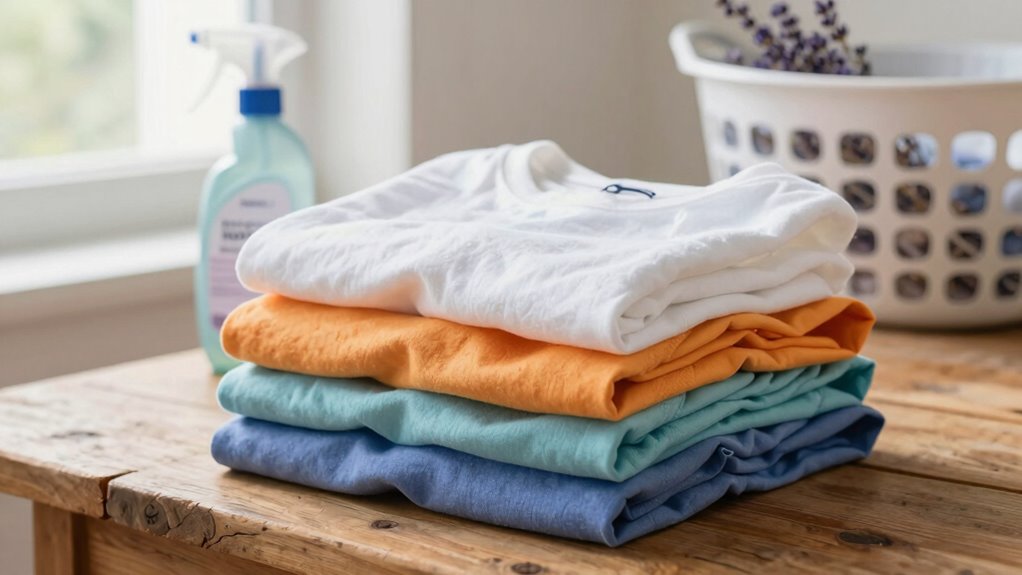
Wearing and washing clothes properly can considerably extend their lifespan, saving you money and reducing waste. When you take care of your clothes, you’re not just preserving your wardrobe, but also supporting fashion sustainability by minimizing the need for frequent replacements. This focus on clothing longevity means you get more value out of each piece, which benefits both your budget and the environment. To truly keep your clothes longer without feeling stuck in a cycle of constant shopping, you need to develop simple, consistent habits that protect fabric quality and appearance.
Start by paying attention to washing instructions on labels. Different fabrics require different care methods, so ignoring these guidelines can lead to quicker wear and tear. Washing clothes in cold water not only saves energy but also reduces fabric damage, especially for delicate items. Use gentle detergents designed for your clothing types, and avoid overloading your washing machine. Overstuffing can cause friction that weakens fibers, leading to pilling, stretching, or tearing. When you can, opt for hand washing or using delicate cycles for fragile pieces like silk or lace, which are more prone to damage. Additionally, choosing the right detergents can preserve fabric quality and extend the life of your clothes. Proper airflow around the washing machine can also help prevent mold or musty odors that can degrade fabrics over time.
Follow care labels, wash in cold water, and use gentle detergents to extend your clothes’ lifespan.
Drying methods also play a vital role in maintaining clothing longevity. Avoid high-heat tumble drying whenever possible, as excessive heat can weaken fibers and cause shrinkage or fading. Instead, air-dry your clothes on a flat surface or hang them in a shaded area to prevent sun damage. Not only does this extend their life, but it also helps preserve their color and shape. If you do use a dryer, choose a low heat setting and remove clothes promptly to minimize wrinkles and stress on the fabric. Proper drying techniques can also prevent unnecessary fabric damage and help keep clothes looking new longer.
Beyond washing and drying, proper storage is essential. Fold or hang clothes neatly to prevent stretching or misshaping. Use padded hangers for delicate items like blouses and dresses, and keep heavier garments, such as coats, on sturdy hangers to maintain their structure. Regularly inspecting your wardrobe allows you to spot items that could benefit from mending rather than discarding, encouraging a more sustainable approach to fashion. Repair small tears, replace missing buttons, and patch minor stains to extend the life of your clothing. Maintaining good storage habits can significantly reduce the need for frequent replacements and contribute to a more sustainable wardrobe. Incorporating clothing care practices into your routine ensures your wardrobe remains functional and attractive for years to come.
gentle detergent for delicate fabrics
As an affiliate, we earn on qualifying purchases.
As an affiliate, we earn on qualifying purchases.
Frequently Asked Questions
Can Washing Machines Damage Clothes Over Time?
Yes, washing machines can damage clothes over time if you don’t do proper maintenance. Regular washing machine maintenance helps prevent rough agitators or damaged drum from harming fabrics. Also, using fabric softener effects can weaken fibers if overused, leading to quicker wear and tear. To keep your clothes looking new longer, clean your machine regularly and use fabric softeners sparingly, ensuring gentle treatment for your garments.
What Are the Best Natural Alternatives to Store Clothes?
To preserve your clothes naturally, try eco-friendly storage options like breathable cotton or linen bags. Use natural repellents such as cedar blocks, lavender sachets, or citrus peels to deter pests without chemicals. These eco-friendly storage methods keep your clothes fresh and protected, while natural repellents prevent moths and insects from damaging fabrics. Regularly airing and cleaning storage areas also extends the life of your garments naturally.
How Often Should I Replace Old Clothes?
Ever wonder how often you should replace old clothes? Generally, for better fashion durability and clothing lifespan, consider replacing them every 1-2 years, especially if they show signs of wear or fading. Regularly evaluating your wardrobe helps you keep only pieces that fit well and look fresh. Don’t hold onto items out of sentiment—updating your wardrobe ensures you enjoy stylish, durable clothes that truly serve you.
Do Certain Fabrics Last Longer Than Others?
Yes, certain fabrics last longer than others. Fabrics like denim, canvas, and wool have high fabric durability and material longevity, making them more resistant to wear and tear over time. Conversely, delicate materials like silk or lightweight chiffon tend to wear out faster. To extend the life of your clothes, opt for sturdy fabrics, follow proper care instructions, and avoid excessive washing or harsh treatments.
Can Ironing Extend the Life of My Clothes?
Yes, ironing can extend the life of your clothes when you use proper ironing techniques. It helps with fabric preservation by removing wrinkles that can weaken fibers over time. Make sure to set the iron to the correct temperature for your fabric type, and avoid excessive heat. Gentle, even strokes prevent damage, keeping your clothes looking fresh longer. Proper ironing maintains fabric integrity and helps your clothes stay in good condition.
Conclusion
With a little care, you’re gently tending to your wardrobe’s garden, allowing each piece to bloom longer and brighter. Think of your clothes as your trusted companions, weathering seasons with you. By following these simple tips, you’re giving them a chance to tell more stories and share more memories. Keep them vibrant and fresh, like a sunrise after a storm, and your wardrobe will become a timeless treasure chest, full of life and style for years to come.
Fall Picks
fall essentials
As an affiliate, we earn on qualifying purchases.