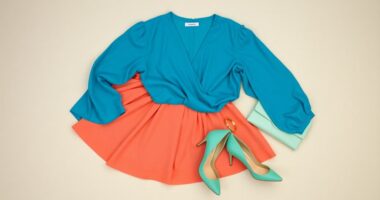

Proportions play a key role in styling with the rule of thirds by guiding you to position your main elements along invisible grid lines and intersections. This creates a natural balance that feels appealing without feeling static or chaotic. Using this principle helps you distribute visual weight evenly and highlights focal points effortlessly. Mastering this concept means your arrangements will look more engaging and harmonious—exploring further reveals how to refine these proportions for maximum impact.
Key Takeaways
- The rule of thirds guides proportionate element placement for balanced and dynamic styling compositions.
- Using the grid divides the space into nine parts, helping to proportion key design features effectively.
- Applying the rule ensures focal points are positioned at intersections, enhancing visual harmony.
- Proportions aligned with the rule create a natural flow and prevent overcrowding or imbalance.
- Mastering the rule of thirds in styling improves aesthetic appeal and visual engagement.
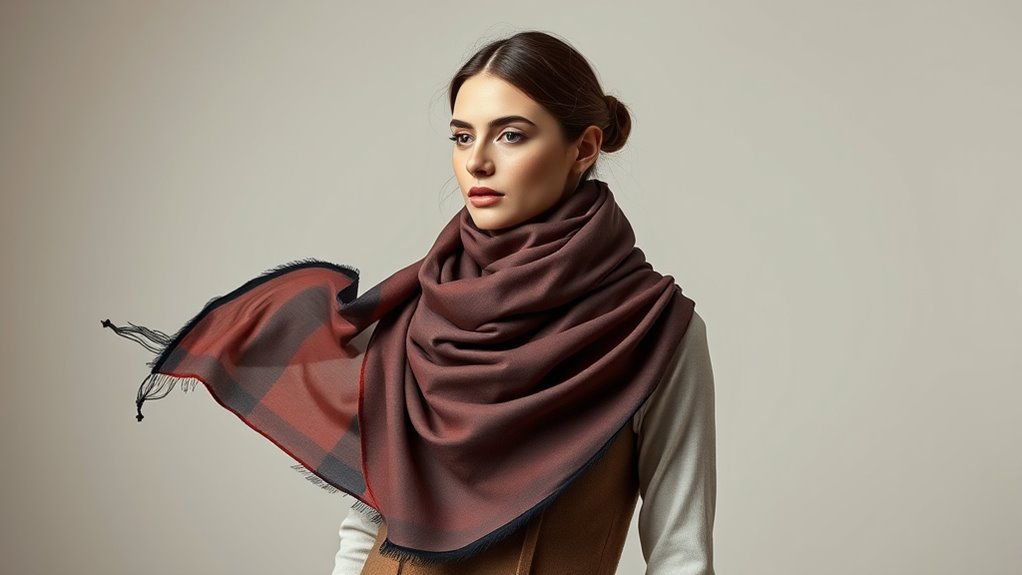
Have you ever wondered how artists and architects create balanced and visually appealing designs? The secret often lies in understanding and applying the principle of balance harmony, which guides how elements are arranged to feel natural and pleasing to the eye. One of the most effective tools for achieving this is the rule of thirds, a simple yet powerful guideline that helps you craft compositions with a natural flow and visual interest. When you use the rule of thirds, you divide your canvas or space into nine equal parts with two equally spaced horizontal lines and two vertical lines. Positioning key elements along these lines or at their intersections creates a sense of balance harmony, making your design feel neither too static nor chaotic.
Using the rule of thirds creates balanced, engaging, and harmonious compositions effortlessly.
This method taps into our innate perception of balance. Instead of centering everything, which can sometimes feel too rigid or predictable, placing focal points along the lines or at the intersections introduces a dynamic quality. Your eye naturally gravitates toward these points, creating a sense of movement and engagement. When you apply this to styling, whether it’s photography, interior design, or graphic layout, the rule of thirds encourages you to distribute visual weight evenly across the space. This avoids overwhelming one side or leaving an awkward void, ensuring that viewers’ attention is guided smoothly from one element to another.
Additionally, understanding visual harmony can help you develop a more intuitive sense of how to position elements effectively. By working within this framework, you foster harmony in your design. Elements aren’t just randomly positioned; they work together to form a cohesive whole. For example, if you’re styling a room, placing a large piece of artwork along one of the vertical lines and balancing it with furniture or decor on the opposite side can create a pleasing equilibrium. Similarly, in photography, placing a subject off-center along these lines makes the image more engaging and balanced. This approach prevents your composition from feeling static or uninteresting, instead fostering a lively interaction between elements that feels natural.
Using the rule of thirds isn’t about strict rules but about guiding principles that enhance your creative expression. It helps you avoid clutter or imbalance, ensuring each part of your design contributes to overall harmony. Over time, this technique becomes intuitive, allowing you to quickly assess how to position elements so that they complement each other. Whether you’re styling a portrait, arranging a living space, or designing a visual layout, the rule of thirds offers a reliable way to achieve balance harmony. It’s a simple yet invaluable tool that elevates your work from ordinary to compelling, making every composition feel thoughtful, intentional, and visually satisfying.
Frequently Asked Questions
How Do I Apply the Rule of Thirds to Clothing Choices?
To apply the rule of thirds to clothing choices, divide your outfit into three sections vertically and horizontally. Focus on accentuating one third with statement pieces like bold accessories or color blocking. Pair accessories thoughtfully to highlight your focal point without overwhelming the look. Use color blocking to create visual balance, ensuring your outfit feels harmonious yet interesting, guiding the eye naturally across your ensemble.
Can the Rule of Thirds Be Used in Interior Design?
Yes, you can definitely use the rule of thirds in interior design. When arranging furniture, imagine dividing your space into thirds both horizontally and vertically, then place key pieces like a sofa or artwork along these lines or at intersections. Use color blocking to emphasize these focal points, creating balance and visual interest. This approach helps you craft a harmonious, well-proportioned room that feels inviting and thoughtfully designed.
What Are Common Mistakes When Using the Rule of Thirds?
You might stumble by overlooking symmetry, turning your space into a chaotic dance instead of a harmonious one. Overcomplicating layouts is another mistake, like trying to fit a square peg in a round hole. When using the rule of thirds, keep it simple and balanced—avoid clutter and symmetry gaps. Otherwise, your design risks feeling uneven or disjointed, like a puzzle missing its most essential pieces.
How Does the Rule of Thirds Influence Visual Balance?
The rule of thirds enhances visual harmony by positioning key elements along grid lines or intersections, creating a balanced composition. You influence aesthetic balance by guiding the viewer’s eye naturally across the design, avoiding clutter or imbalance. When you apply this rule effectively, your styling feels more cohesive, engaging, and pleasing, making the overall visual experience more harmonious and enthralling for your audience.
Are There Exceptions to the Rule of Thirds in Styling?
Did you know that nearly 60% of top designers break the rule of thirds? Yes, exceptions exist, especially in fashion symmetry and color blocking, where breaking traditional rules creates bold statements. You can experiment with asymmetrical designs or striking color contrasts to draw attention or evoke a specific mood. So, go ahead—trust your instincts and play with proportions beyond the rule of thirds for a unique, memorable look.
Conclusion
Now, as you step back and look at your styling, imagine the perfect balance—like a painting coming to life. The rule of thirds guides your eye across the canvas, making every detail feel intentional and beautiful. Embrace these proportions, and watch your style transform into a harmonious dance of colors and shapes. When everything aligns just right, you’ll feel that spark of confidence, knowing your look is as mesmerizing as a masterpiece in motion.