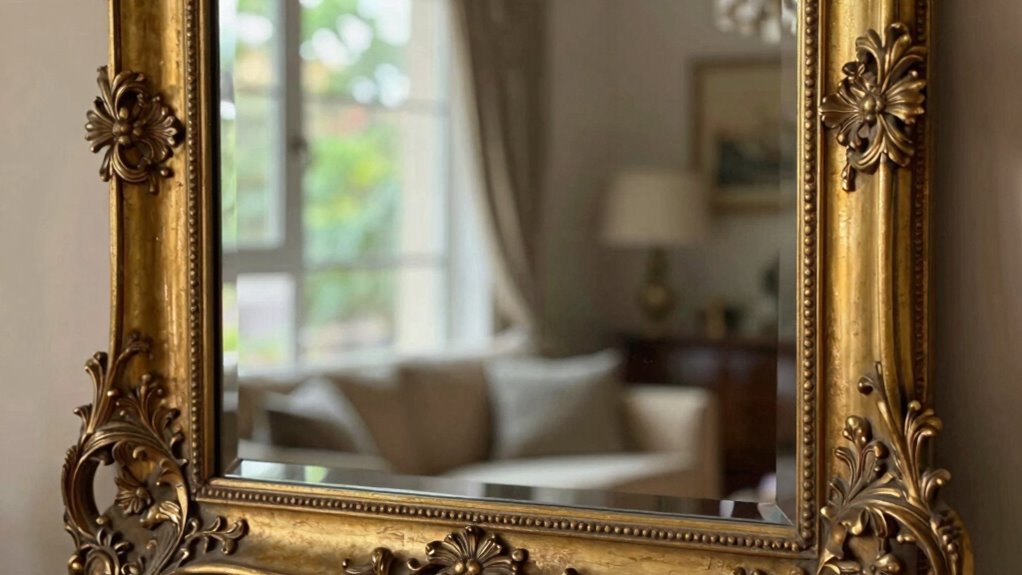

Mirrors matter more than most decor pieces because they actively shape how you perceive and experience your space. They create a sense of openness and depth that can’t be achieved with other decorations, amplifying natural light and making a room feel larger and more inviting. Well-placed mirrors also add balance and harmony, influencing your mood and subconscious feelings. If you want to understand how reflective surfaces can transform your environment, keep exploring these powerful design tools.
Listen free for 30 days with Audible
Thousands of audiobooks and originals — cancel anytime.
As an affiliate, we earn on qualifying purchases.
Key Takeaways
- Mirrors enhance space perception, making rooms feel larger and more open beyond mere decoration.
- They amplify natural light, reducing the need for artificial lighting and improving mood.
- Properly placed mirrors create visual balance and harmony, influencing subconscious feelings of serenity.
- Mirrors serve both functional and aesthetic roles, actively shaping emotional responses and spatial dynamics.
- Thoughtful mirror placement can transform a space’s ambiance, making them more impactful than many decor pieces.
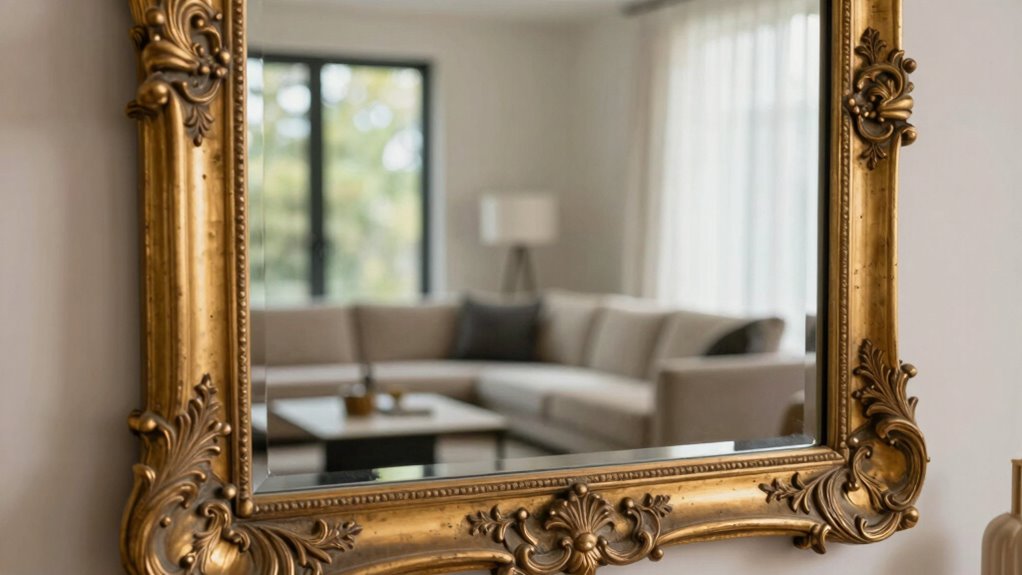
Mirrors do more than reflect your image; they transform the way your space feels and functions. When you hang a mirror, you’re not just adding a decorative element—you’re influencing how you perceive your environment. This is where reflection psychology comes into play. Your mind responds to what it sees in the mirror, often creating a sense of openness or depth that doesn’t exist in the physical space. As you glance into a well-placed mirror, you might notice how it amplifies natural light or makes a small room feel larger. This effect isn’t accidental; it’s rooted in how your brain interprets reflections and spatial cues.
Mirrors shape perception, amplifying light and space to transform your environment and boost your mood naturally.
You might think of decor pieces as purely aesthetic, but a mirror’s power goes beyond appearance. It actively alters your spatial perception, reshaping how you experience a room. When you position a mirror opposite a window, it doubles the sunlight, transforming the ambiance and reducing the need for additional lighting. This isn’t just about style; it’s about creating an environment that feels more inviting and expansive. The psychological impact of this is significant—your mind registers more space and brightness, which can boost your mood and sense of well-being.
Furthermore, mirrors can create a sense of symmetry and balance, which your brain naturally seeks for comfort. When you place a mirror thoughtfully, it can enhance the harmony of the room, making it feel more cohesive and intentional. This subtle but powerful effect affects your subconscious, making spaces feel more serene and controlled. Recognizing the importance of spatial perception helps you understand why mirrors are more than just decorative items. Incorporating mirrors thoughtfully can also subtly influence your perception of space, making your environment feel more organized and peaceful. This understanding emphasizes that mirrors are a psychological tool that actively shapes how you experience your surroundings. When you understand the psychological impact of reflective surfaces, it becomes clear why choosing the right mirror is an essential element of interior design.
Additionally, understanding how reflection psychology influences your emotional response can help you select mirrors that enhance your mood and overall well-being. So, when you consider decor options, remember that a mirror isn’t just a surface to check your reflection—it’s a tool that influences how you see and feel about your environment. Its ability to impact reflection psychology and spatial perception makes it an essential piece of decor that truly matters more than most other elements.
large wall mirror for living room
As an affiliate, we earn on qualifying purchases.
As an affiliate, we earn on qualifying purchases.
Frequently Asked Questions
How Do Mirrors Influence Room Lighting and Ambiance?
Mirrors influence room lighting and ambiance by acting as reflective surfaces that bounce natural light around the space. When positioned strategically, they amplify the brightness, making your room feel more open and inviting. You can also use mirrors to create a cozy or lively atmosphere, depending on their placement. Fundamentally, they enhance both the natural light and the overall mood, transforming your room into a brighter, more vibrant space.
What Are the Best Placement Tips for Mirrors in Small Spaces?
Think of mirrors as your secret weapon, like Alice’s mirror revealing new worlds. For small spaces, wall placement is key—hang them opposite windows or near light sources to bounce light and expand the room. Integrate mirrors with furniture by leaning them against walls or framing them above pieces, creating a seamless look. Keep them proportionate to the space, and avoid cluttering, so your room feels open and inviting.
How Do Mirrors Affect Perceived Room Size and Layout?
Mirrors notably affect perceived room size and layout by creating the illusion of more space through reflective surfaces. When you place mirrors with decorative frames strategically, they bounce light and expand the room visually. Position them opposite windows or in narrow hallways to enhance openness. Their reflective surfaces make small rooms feel larger, while decorative frames add style, transforming mirrors into focal points that elevate your overall decor.
What Styles of Mirrors Suit Different Interior Aesthetics?
If you’re aiming for a vintage-inspired aesthetic, choose mirrors with decorative frames that feature ornate details or distressed finishes. For example, a homeowner added a vintage-style mirror with an antique gold frame, instantly elevating their classic living room. Different interior aesthetics call for different mirror styles: sleek and minimal for modern spaces, ornate and decorative for traditional or vintage looks. Select the style that complements your overall decor theme.
Are There Health or Maintenance Benefits to Using Mirrors?
Using mirrors offers health benefits, like boosting mood and natural light in your space. Regular mirror cleaning prevents dust and bacteria buildup, promoting a healthier environment. Plus, well-maintained mirrors reflect light better, reducing eye strain and improving your overall well-being. By keeping your mirrors spotless, you enhance both your home’s hygiene and aesthetic appeal, making them a smart, functional decor choice that benefits your health and maintenance routine.
Conclusion
Did you know that a well-placed mirror can make a room feel 50% larger? You’ve seen how mirrors reflect light, brighten spaces, and add depth — they’re more than just decor. So next time you’re decorating, remember that a mirror isn’t just a pretty piece; it’s a powerful tool to transform your space. Embrace mirrors, and watch your rooms come alive in ways you never imagined.
Flea & tick season Picks
flea and tick prevention
As an affiliate, we earn on qualifying purchases.