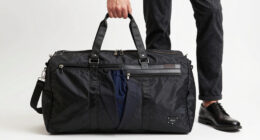
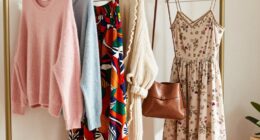
Workwear began as rugged, functional clothing designed to handle tough industrial tasks, emphasizing durability and safety. Over time, its practical fabrics and sturdy designs gained popularity beyond workplaces, turning into symbols of resilience and craftsmanship. The shift from simple work garments to fashion statements happened gradually as rugged styles became trendy, blending utility with style. If you’re curious about how this transformation happened and what it symbolizes today, you’ll discover the fascinating roots behind workwear’s evolution into fashion.
Key Takeaways
- Workwear originated from durable, functional garments made with industrial fabrics designed for tough labor conditions.
- The transition from natural fibers to industrial fabrics enhanced durability and safety in work clothing.
- Workwear became a symbol of industrial identity, pride, and social class during the Industrial Revolution.
- Modern fashion reintroduced workwear-inspired styles, blending utility with aesthetics, rooted in its practical origins.
- The legacy of workwear’s durability and rugged design has influenced contemporary streetwear and high fashion alike.

Workwear has a rich history rooted in practicality and durability, evolving from simple work garments into a symbol of identity and industry. You might not realize it, but the fabrics used in these garments played a vital role in shaping their longevity and functionality. Industrial fabrics, for example, have been at the forefront of this evolution, designed specifically to withstand harsh conditions and heavy use. These materials, often heavy-duty and resistant to tears, abrasions, and chemicals, helped workers perform their tasks more efficiently and safely. Over time, the durability of these fabrics became a defining feature of historical workwear, setting standards for what could endure the rigors of manual labor.
Industrial fabrics have been essential in making workwear durable, safe, and built to withstand tough conditions.
Back in the day, workers relied on clothing made from natural fibers like cotton, wool, and linen. While these materials served their purpose, they often lacked the resilience needed for demanding jobs. Industrial fabrics emerged as a game-changer, allowing manufacturers to produce workwear that could resist wear and tear, even in the most challenging environments. This shift marked a turning point, transforming workwear from basic clothing into specialized gear that prioritized safety and longevity. You can see this influence in iconic garments like durable overalls, heavy-duty boots, and reinforced jackets, all crafted from industrial fabrics that were designed to last.
Historical workwear also reflects the social and industrial shifts of its time. During the Industrial Revolution, clothing was not just about utility but became a badge of identity for different trades and classes. Workers from miners to factory workers adopted uniform styles that often included sturdy trousers, aprons, and protective gear, all made from resilient fabrics. These garments weren’t just practical; they also fostered a sense of belonging and pride within trades. The materials and designs used in historical workwear helped define the worker’s role and status, making clothing a visual representation of industry and labor. Additionally, advancements in industrial fabric technology continue to influence modern workwear, ensuring that safety and durability remain priorities in contemporary designs.
Today, you see the legacy of these roots in modern workwear brands that emphasize industrial fabrics for their durability and performance. Whether it’s a pair of rugged work jeans or a high-performance jacket, the influence of historical workwear and industrial fabrics remains evident. What started as purely functional clothing has become a fashion statement that pays homage to its practical origins. When you wear workwear today, you’re wearing a piece of history—an enduring symbol of resilience, craftsmanship, and industry’s evolution from necessity to trend.
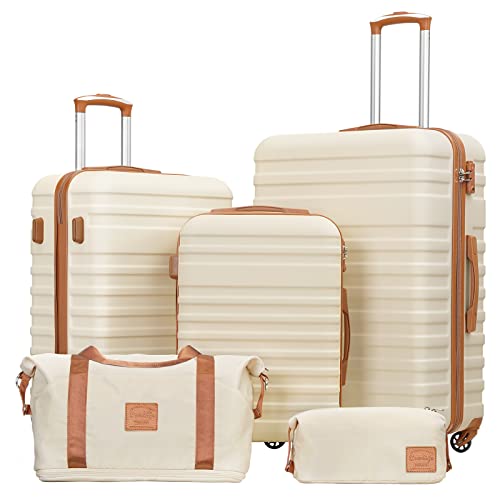
Coolife Suitcase Set 3 Piece Luggage Set Carry On Hardside Luggage with TSA Lock Spinner Wheels (White, 5 piece set)
Five piece set offers a 20’’ luggage, a 24’’ luggage, a 28’’ luggage, a weekender travel bag and...
As an affiliate, we earn on qualifying purchases.
Frequently Asked Questions
How Did Workwear Influence Mainstream Fashion Trends?
Workwear heavily influences mainstream fashion trends by introducing industrial aesthetics and urban influence into everyday styles. You notice rugged fabrics, durable designs, and practical details becoming fashionable, blending function with form. This shift reflects a desire for authenticity and resilience, resonating with urban culture. As a result, workwear-inspired pieces like cargo pants, work jackets, and sturdy boots now dominate streetwear and high fashion, emphasizing a gritty, functional aesthetic.
What Materials Were Originally Used in Early Workwear Clothing?
You wear sturdy denim and rugged canvas, the backbone of early workwear, designed with fabric technologies that prioritized durability. These materials, often in practical earth tones, carried color symbolism—strength, reliability, and resilience—making them more than just clothing. Their tough fibers and simple hues told stories of hard labor and steadfastness, transforming humble workwear into a symbol of resilience and utility, laying the foundation for fashion’s embrace of functional style.
Who Were the Pioneers of Workwear-Inspired Fashion?
You should know that pioneers of workwear-inspired fashion include designers influenced by industrial design and the labor movement. They recognized the functionality and durability of workwear, integrating these elements into mainstream fashion. Brands like Carhartt and Levi’s led the way, emphasizing rugged materials and practical styles. This movement celebrates the authentic, utilitarian roots of workwear, transforming it into a symbol of resilience and style embraced by diverse fashion communities today.
How Has Workwear Durability Evolved Over Time?
Ever wonder how workwear durability has evolved? Thanks to textile innovations and industrial fabrics, you now enjoy clothing that’s more resilient than ever. Over time, manufacturers have strengthened fibers and introduced high-tech materials, making workwear resistant to tears, abrasions, and harsh conditions. This evolution guarantees your gear can withstand tough environments, blending practicality with style—proving that durability isn’t just a feature, but a standard driven by innovation.
Are There Cultural Differences in Workwear Adoption Worldwide?
You’ll notice that cultural differences shape how you adopt workwear worldwide. In some regions, industrial uniforms symbolize professionalism and safety, while in others, they carry cultural symbolism related to identity or tradition. You might see workwear blending fashion with function, reflecting local values and history. These variations affect how you perceive and wear work uniforms, making them more than just utility—they become expressions of cultural pride and societal norms.
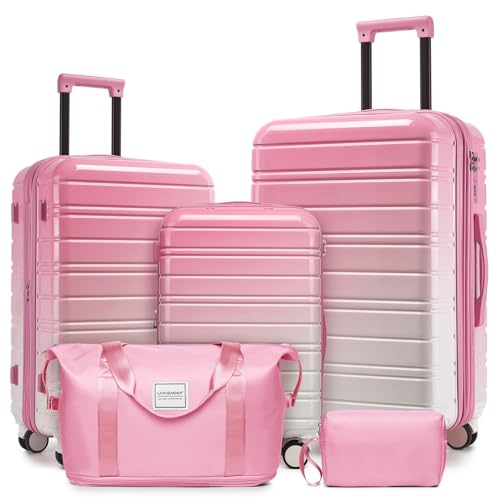
LARVENDER Luggage Sets 5 Piece Hardside Expandable Suitcase with Wheels Lock,PC+ABS Hardside Lightweight Rolling Suitcase for Women and Men,Peach Sparkling
【5 Piece Suitcase Sets】The 5-piece set includes a 20" carry-on luggage, a 24" checked suitcase, a 28" large...
As an affiliate, we earn on qualifying purchases.
Conclusion
As you step back, you can see how workwear’s humble roots gently wove their way into the fabric of fashion, blending practicality with style like a well-worn favorite. What once served a purpose now whispers stories of resilience and everyday strength, quietly transforming into a subtle statement of identity. So, next time you wear that sturdy piece, remember it’s more than just clothing—it’s a quiet affirmation to the enduring spirit that quietly shapes what we wear.

Samsonite Omni 2 Hardside 3 Piece Set - Includes Global Carry-On, Medium, & Large Checked Suitcases - 360° Dual Spinner Wheels - Integrated TSA Lock & Expansion - Amazon Exclusive - Rose Gold
3 Piece Set Includes Global Carry On (compact size: meets carry-on size restrictions for those traveling domestically and...
As an affiliate, we earn on qualifying purchases.

urecity Vintage Luggage Set, 2 Piece Retro Leather Suitcase for Women, Travel Luggage with Spinner Wheels and Beauty Case, Cute Designer Trunk Luggage (Rose White, 20"+12")
HANDCRAFTED VINTAGE AESTHETIC: Evoke the charm of a bygone era with this stunning luggage set. Featuring hand-stitched faux...
As an affiliate, we earn on qualifying purchases.