
TL;DR

Get your wardrobe favorites delivered free — and shop member deals
- Fast, free delivery on millions of items
- Access to Prime Big Deal Days deals on October 6–7
- Prime Video, Amazon Music and more included
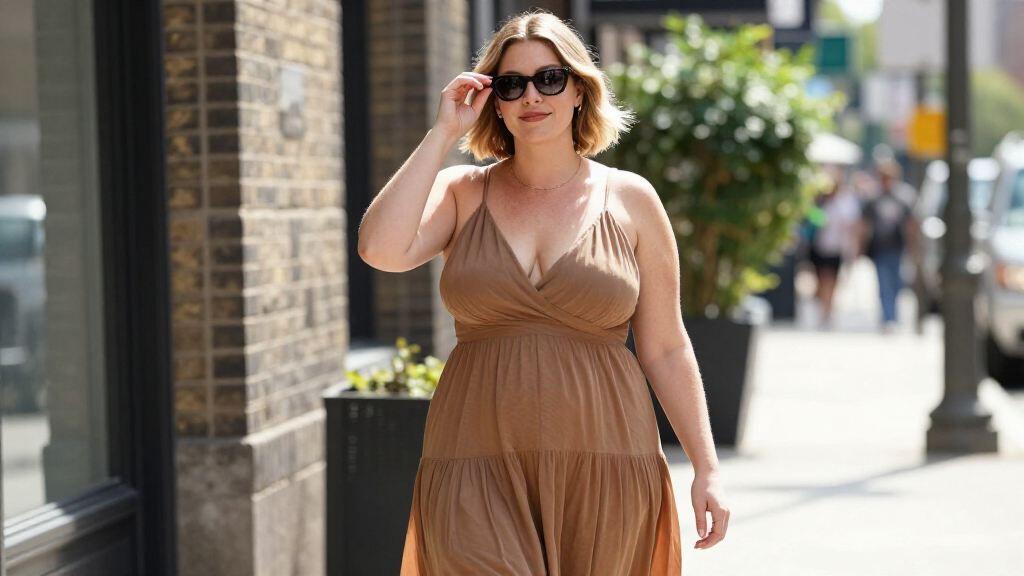
Jeanie Annan-Lewin, a prominent figure in fashion, emphasizes the need for better curve representation in fashion imagery in her feature for The Body Issue. This development reflects growing calls for diversity in the industry, though specific initiatives remain unconfirmed. The discussion underscores ongoing debates about body positivity and inclusivity.
Jeanie Annan-Lewin, a recognized figure in fashion, has publicly spoken about the need for greater curve representation in fashion imagery, as featured in The Body Issue. Her remarks have sparked increased industry discussion about diversity and body positivity, making this a noteworthy moment in ongoing debates about inclusivity in fashion.
Annan-Lewin’s comments focus on the importance of showcasing a broader range of body types in fashion campaigns and editorial work. While she did not announce specific initiatives, her stance aligns with a wider movement toward more inclusive imagery. The attention to her remarks has coincided with a spike in coverage and interest around body diversity in fashion, reflecting a growing demand from consumers and advocacy groups for authentic representation. Fashion brands and photographers are increasingly being called upon to challenge traditional standards that favor narrow beauty ideals. The discussion also touches on how imagery influences societal perceptions of body image, especially among young audiences.Industry insiders note that although there is momentum toward inclusivity, concrete changes in mainstream fashion campaigns are still emerging. Some brands have begun to feature models with diverse body types, but full representation remains inconsistent. Annan-Lewin’s remarks are seen as part of a broader cultural shift, though it is unclear what specific actions will follow her statements or whether her advocacy will translate into measurable change in the near term.
Impact of Annan-Lewin’s Comments on Industry Standards
This discussion highlights a pivotal moment in the fashion industry’s approach to body diversity. Annan-Lewin’s emphasis on curve representation underscores the increasing pressure on brands to adopt more inclusive imagery, which could influence marketing strategies and consumer perceptions. The move toward diverse body representation in fashion imagery matters because it can help challenge harmful stereotypes, promote body positivity, and foster a more realistic portrayal of beauty standards. As public interest in authentic representation grows, industry stakeholders may face heightened expectations to reflect a broader spectrum of body types, potentially leading to more inclusive campaigns and editorial content.
As an affiliate, we earn on qualifying purchases.
Rise of Body Diversity Conversations in Fashion
Interest in body diversity within fashion has been growing over the past few years, driven by social media activism, advocacy groups, and consumer demand for authentic representation. While some brands have started featuring models of various sizes, races, and ages, mainstream fashion remains largely centered on narrow beauty ideals. The current focus on curve representation is part of a broader cultural shift towards inclusivity and body positivity, which gained momentum following movements like #BodyPositivity and #RepresentationMatters. The trend has seen spikes in search interest and media coverage, though concrete industry-wide change is still evolving. The recent attention on Annan-Lewin’s comments reflects this ongoing debate and the desire for more visible, authentic portrayals of diverse bodies in fashion imagery.
Unclear Next Steps for Industry-Wide Change
It is not yet clear what specific actions, if any, will follow Annan-Lewin’s comments. While her remarks have sparked increased discussion, there are no confirmed initiatives or campaigns directly linked to her advocacy. The extent to which fashion brands will adopt more inclusive imagery remains uncertain, as does the timeline for widespread change. Industry insiders acknowledge momentum but also note that systemic shifts in advertising and editorial standards often take time and face resistance.
Future Developments in Body Representation in Fashion
Moving forward, industry observers will be watching for concrete steps from brands, agencies, and influencers to incorporate more diverse body types into their campaigns. Fashion weeks, magazine editorials, and advertising are expected to gradually include more models with curves, reflecting the ongoing cultural conversation. Additionally, advocacy groups and consumer voices are likely to continue pressuring for transparency and accountability in representation standards. The next few months may reveal whether Annan-Lewin’s remarks catalyze tangible change or remain part of a broader, ongoing debate.
Key Questions
What exactly did Jeanie Annan-Lewin say about curve representation?
She emphasized that representing curves in fashion imagery is essential for fostering a more inclusive and authentic industry, though she did not specify particular initiatives.
Why is this discussion about body diversity in fashion important now?
Growing public demand for authentic representation, along with social media activism and advocacy efforts, has increased pressure on the industry to showcase a broader range of body types, challenging traditional beauty standards.
Are any brands already implementing more inclusive campaigns?
Some brands have begun featuring models with diverse body types, but overall, consistent and widespread inclusion remains limited. The industry is still in the early stages of systemic change.
Will Annan-Lewin’s comments lead to concrete changes?
It is currently uncertain what specific actions will follow her remarks. While her statements have increased discussion, no official initiatives have been announced.
Source: rss
Evergreen bestsellers Picks
bestsellers
As an affiliate, we earn on qualifying purchases.