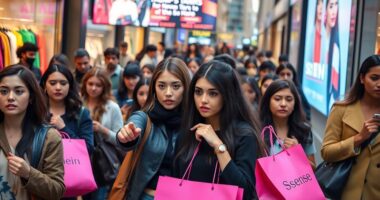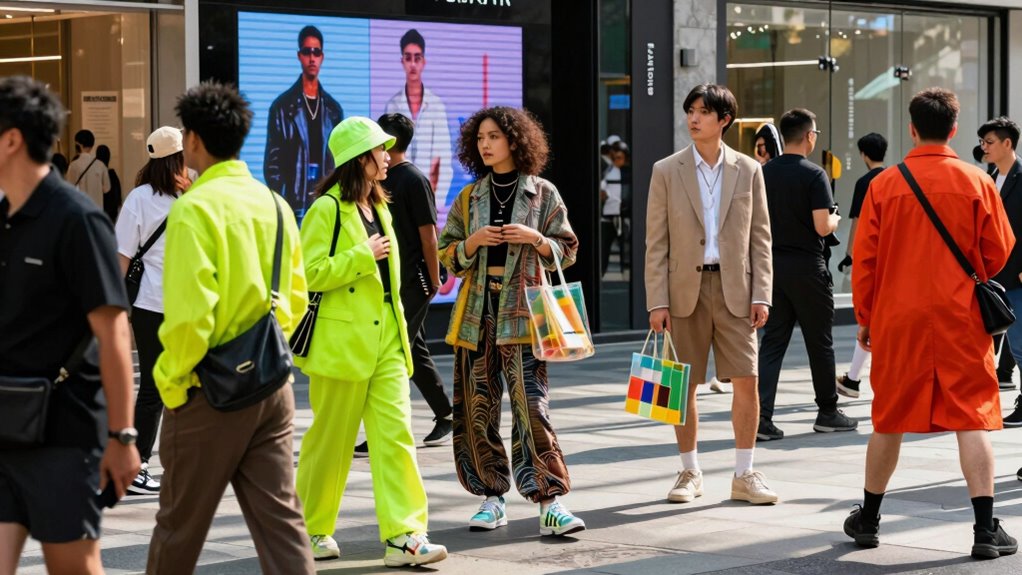
Trend forecasting predicts upcoming styles, colors, and materials before they hit the mainstream, influencing what you choose to wear. It shapes your wardrobe by guiding designers, brands, and stores to produce trends aligned with cultural shifts, technological advances, and sustainability concerns. This connection helps you stay current and reflect your identity through fashion. If you want to discover how these predictions keep your style fresh and relevant, there’s more to explore below.

Get your wardrobe favorites delivered free with Prime
- Fast, free delivery on millions of items
- Prime Video, Amazon Music and more included
- Member-only deals all year
Key Takeaways
- Predicts upcoming styles, colors, and materials, influencing designers and consumer choices before trends become mainstream.
- Incorporates cultural shifts and social movements, shaping fashion that reflects societal values and identities.
- Emphasizes sustainable materials, guiding eco-conscious purchasing and environmentally responsible design.
- Utilizes data analysis and technology for accurate, real-time trend predictions impacting wardrobe decisions.
- Fosters fusion of global influences and traditional motifs, creating diverse, culturally inspired fashion choices.
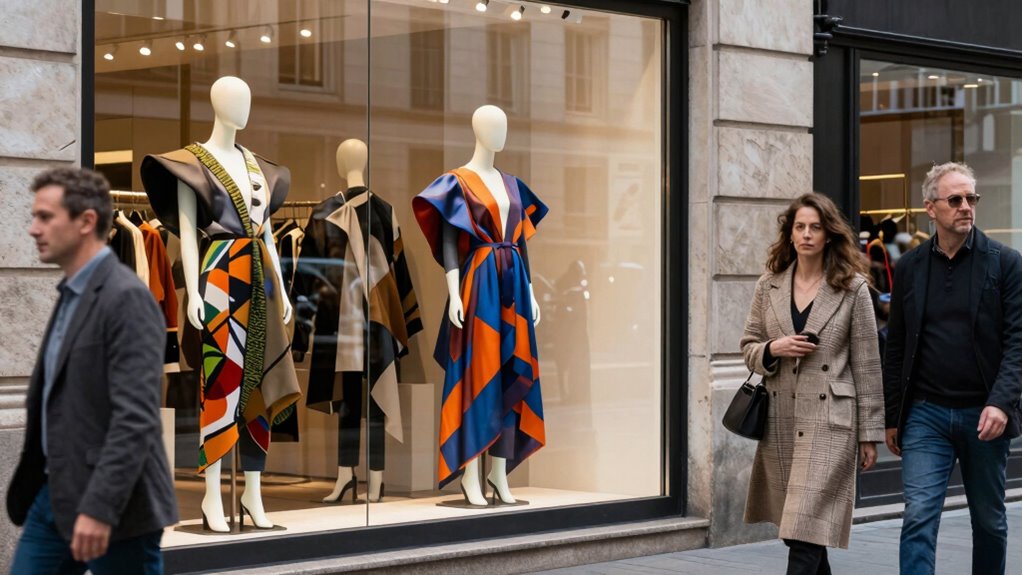
Trend forecasting plays a crucial role in shaping the fashion industry by predicting upcoming styles, colors, and materials before they hit the mainstream. When experts anticipate what’s next, they influence designers, brands, and consumers alike. You’re often the recipient of these predictions—your wardrobe, shopping habits, and style choices are shaped by what’s forecasted to be popular. This process isn’t random; it’s rooted in analyzing current cultural shifts, technological advancements, and environmental concerns. As a result, the clothes you wear tomorrow are increasingly aligned with broader societal trends.
Sustainable materials have become a key focus in trend forecasting. Forecasters recognize the growing demand for eco-friendly fashion, so you’ll see more garments made from recycled fabrics, organic cotton, and innovative bio-based textiles. These materials aren’t just environmentally responsible—they also influence the aesthetic and tactile qualities of your clothing. When a trend predicts a move toward sustainability, designers incorporate these materials into their collections, making eco-conscious choices stylish and desirable. This shift encourages you to recognize the environmental impact of your wardrobe, subtly guiding your purchasing decisions toward more sustainable options. Additionally, advancements in technology and data analysis enhance the accuracy of these forecasts, making them even more influential in shaping your wardrobe decisions.
Cultural influences also play a significant role in shaping what ends up in your closet. Trend forecasters study global movements, art, music, and social media to understand the evolving cultural landscape. They identify patterns that reflect collective identities, political messages, or historical references, which then trickle down into fashion. They also analyze how cultural shifts impact consumer preferences and styles, further refining their predictions. These cultural insights are often informed by social media trends, which amplify certain styles and ideas rapidly across the globe. For you, this means that styles inspired by diverse cultures or historical periods may become mainstream, blending tradition with modernity. You might find yourself wearing bold patterns, traditional motifs, or fusion styles influenced by these cultural currents. The influence is subtle but powerful, as it allows you to express your identity and connect with wider social narratives through your clothing choices.
Ultimately, trend forecasting acts as a bridge between what society is experiencing and what you wear daily. It channels cultural influences and sustainable practices into tangible fashion choices, making your wardrobe a reflection of current and future societal values. Whether you realize it or not, your clothing choices are often guided by the predictions of trend forecasters, shaping the way you present yourself and connect with the world around you. This ongoing cycle ensures that fashion remains dynamic, relevant, and deeply intertwined with the cultural and environmental shifts shaping our society.
sustainable organic cotton t-shirts
As an affiliate, we earn on qualifying purchases.
As an affiliate, we earn on qualifying purchases.
Frequently Asked Questions
How Do Trend Forecasts Influence Individual Personal Style Choices?
Trend forecasts influence your personal style choices by guiding you toward current popular aesthetics, encouraging you to experiment and evolve your style. They offer inspiration that helps you express your personality while staying aligned with the latest trends. As a result, your style evolves over time, blending current influences with your unique preferences. This dynamic process allows you to stay fresh and confident, making personal expression a key part of your wardrobe evolution.
Who Are the Main Influencers Behind Trend Predictions?
You should know that main influencers behind trend predictions include celebrity endorsements and market analysis. Celebrities often showcase new styles, making them highly influential in shaping trends. Market analysis helps experts identify emerging patterns and consumer preferences by studying sales data and social media buzz. Together, these factors guide designers and brands in creating collections that resonate with current and upcoming fashion directions, ultimately influencing what you choose to wear.
How Quickly Do Trends Typically Evolve After Being Forecasted?
Trends usually evolve within fashion cycles lasting a few months to a year after being forecasted. Your consumer behavior plays a big role in how quickly you adopt new styles, often speeding up trend diffusion. As designers and brands respond to these cycles, they update collections to match current tastes, so you’ll see trends changing rapidly. This dynamic process keeps fashion fresh and closely aligned with what you and others want to wear.
Can Trend Forecasting Limit Creativity in Fashion Design?
Trend forecasting can sometimes limit your creativity in fashion design by creating creative constraints. When forecasts emphasize specific styles or colors, you might feel pressured to conform rather than innovate. While it guides fashion innovation, it can also restrict your freedom to explore unique ideas. If you rely too heavily on trends, you risk stifling originality, which is essential for truly groundbreaking fashion. Balance trend insights with your creative vision for authentic expression.
What Role Do Social Media Play in Shaping Trend Forecasts?
You’ll find social media plays a huge role in shaping trend forecasts, with 70% of fashion insiders citing it as a key source. Viral hashtags and influencer collaborations rapidly spread new styles, influencing what designers and consumers expect. This real-time sharing accelerates trend cycles, making fashion more dynamic and interconnected. By amplifying emerging looks, social media guarantees you’re constantly updated and inspired by the latest, most popular trends.
Conclusion
By paying attention to trend forecasting, you’re more than just following fashion—you’re part of a larger cycle that influences what’s available and popular. Did you know that the global fashion forecasting market is projected to reach $4.5 billion by 2027? That means your choices directly impact the industry’s direction. So, next time you pick an outfit, remember, you’re shaping trends, not just following them. Your style has power—use it consciously.
Halloween Picks
halloween
As an affiliate, we earn on qualifying purchases.