
TL;DR

Get your wardrobe favorites delivered free — and shop member deals
- Fast, free delivery on millions of items
- Access to Prime Big Deal Days deals on October 6–7
- Prime Video, Amazon Music and more included
Luxury consumers are increasingly seeking personalized experiences and sustainable options. Retailers are shifting focus to new high-end shopping destinations, while backlash against polyester grows. This reflects evolving consumer preferences and market strategies.
Luxury shoppers are prioritizing personalized experiences and sustainability, prompting retailers to adapt their strategies as new retail hot spots emerge in 2024. This shift is confirmed by recent industry surveys and market analyses, highlighting changing consumer expectations and retail innovations that matter for both brands and shoppers.
According to a recent industry report, luxury consumers are increasingly valuing personalized shopping experiences and sustainable products. Retailers are responding by investing in digital customization tools and expanding their offerings of eco-friendly materials, including alternatives to polyester, amid growing environmental concerns.
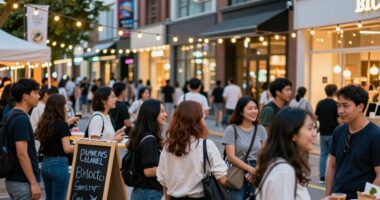
Meanwhile, new retail hot spots are gaining prominence, with luxury brands opening flagship stores in emerging urban centers and redeveloping shopping districts in secondary cities. These locations are attracting affluent shoppers seeking exclusivity outside traditional luxury hubs.
On the environmental front, backlash against polyester has intensified, with consumers and activists criticizing its environmental footprint. Some brands are already shifting toward more sustainable fabrics, though polyester remains prevalent in fast fashion and lower-end segments.
How Evolving Consumer Preferences Are Reshaping Luxury Retail
This shift signifies a broader transformation in the luxury retail landscape, driven by consumer demand for personalization and sustainability. Brands that adapt to these trends can strengthen customer loyalty and differentiate themselves in a competitive market. Conversely, failure to respond may result in loss of market share to more innovative competitors.
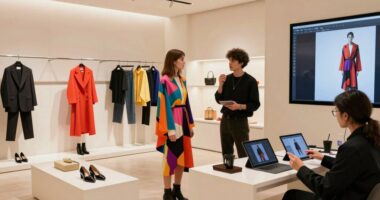
luxury personalized shopping experience
As an affiliate, we earn on qualifying purchases.
As an affiliate, we earn on qualifying purchases.
Recent Trends in Luxury Shopping and Material Sustainability
Over the past year, the luxury sector has seen a surge in demand for bespoke shopping experiences, both online and in-store. Simultaneously, environmental concerns have prompted a reevaluation of common materials like polyester, which is criticized for its environmental impact. Retailers are exploring alternative fabrics and new locations to attract high-net-worth individuals.
Industry analysts note that the rise of secondary retail districts and redevelopment of shopping districts in cities like Milan, Dubai, and emerging markets is reshaping the luxury shopping map. These areas offer a mix of exclusivity and accessibility, appealing to a new generation of affluent consumers.
In terms of materials, the backlash against polyester has gained momentum through social media campaigns and environmental advocacy, leading some brands to accelerate their move toward sustainable fabrics.
Unclear How Quickly Brands Will Fully Shift to Sustainable Materials
While many brands are publicly committing to reducing polyester use, it remains unclear how rapidly these changes will be implemented across the industry. Supply chain adjustments and cost considerations may slow the transition, and some fast fashion brands continue to rely heavily on polyester.
Next Steps in Retail Expansion and Sustainability Initiatives
Industry analysts expect further investments in retail infrastructure in secondary cities and increased adoption of sustainable fabrics in luxury collections over the coming year. Monitoring how brands communicate these shifts and their impact on consumer loyalty will be key.
Key Questions
What are the main factors driving changes in luxury shopping preferences?
Consumers are increasingly valuing personalization and sustainability, influencing brands to offer tailored experiences and eco-friendly products.
Which new locations are emerging as retail hotspots for luxury brands?
Secondary cities and redeveloped districts in markets like Milan, Dubai, and other emerging urban centers are gaining prominence as luxury shopping destinations.
Why is there backlash against polyester in fashion?
Environmental groups criticize polyester for its high environmental footprint, prompting brands to seek alternative, sustainable fabrics.
How are brands responding to these trends?
Many are investing in personalized shopping experiences, expanding sustainable product lines, and opening stores in new retail districts to attract affluent shoppers.
What remains uncertain about the industry’s shift toward sustainability?
It is unclear how quickly and comprehensively brands will phase out polyester, given supply chain and cost challenges.
Source: rss
Fall Picks
fall essentials
As an affiliate, we earn on qualifying purchases.