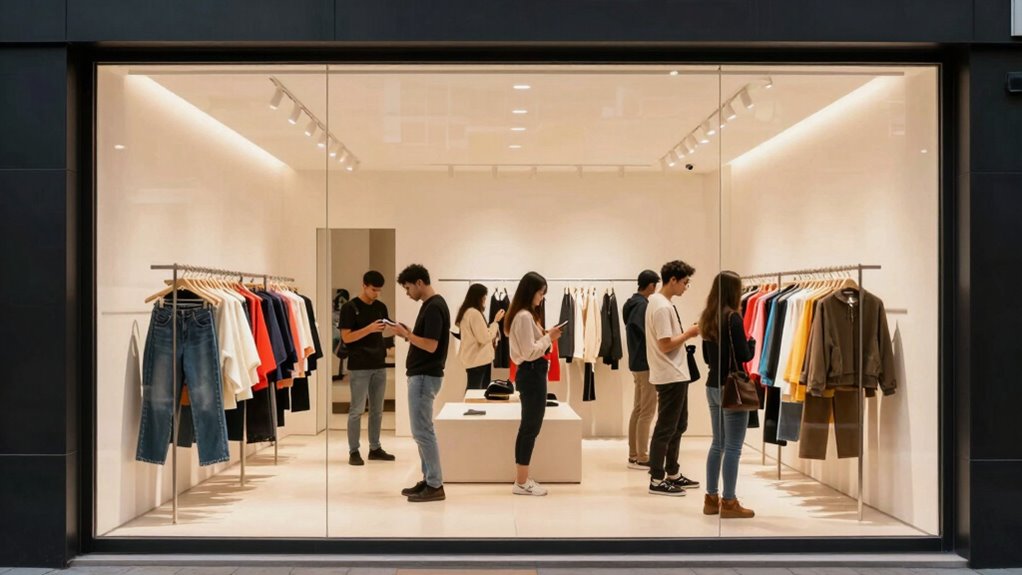
Direct-to-consumer brands have changed the fashion conversation by giving you more transparency and control. They bypass traditional retailers, allowing you to access exclusive designs and behind-the-scenes stories that build trust. These brands emphasize ethical sourcing and sustainability, showing you exactly where products come from and how they’re made. This direct connection makes the industry more honest and responsive to your values. Keep exploring to discover how these shifts impact your choices and the future of fashion.
Key Takeaways
- DTC eliminates middlemen, allowing brands to lower costs and pass savings, making fashion more accessible.
- Direct communication fosters transparency, enabling brands to showcase ethical sourcing and sustainability efforts.
- Greater control over supply chains enhances accountability and builds consumer trust.
- Real-time feedback and agile production enable brands to quickly adapt to evolving consumer preferences.
- The shift promotes honest, values-driven relationships, emphasizing authenticity and ethical practices in fashion.

Have you ever wondered how brands are bypassing traditional retail channels to connect directly with you? It’s all part of the shift toward a direct-to-consumer (DTC) model that’s transforming fashion. Instead of relying on department stores or third-party retailers, brands now communicate directly with their customers through online platforms. This approach allows for a more personalized shopping experience, giving you access to exclusive designs and behind-the-scenes stories. It’s also changing how brands operate behind the scenes, particularly in areas like sustainable sourcing and supply chain transparency. When brands control their entire process, they can better guarantee that materials are ethically sourced and that their supply chains are transparent. This means you’re more likely to know where your clothes come from and how they’re made, which matters more to consumers today. A digital archive can serve as a valuable tool for brands to document and showcase their commitment to these principles over time. Additionally, the digital technology involved enables real-time updates and greater accountability in shared practices, creating a more transparent supply chain that benefits consumers and producers alike.
Brands now connect directly with you online, offering transparency, exclusive stories, and sustainable, ethically sourced fashion options.
By cutting out middlemen, brands reduce costs and can pass those savings onto you. But more importantly, they gain the ability to communicate their values directly. If a brand prioritizes sustainable sourcing, they can share that story with you from the farm to the finished product. You become part of a narrative that emphasizes environmental responsibility and fair labor practices. Supply chain transparency becomes a key selling point because it builds trust—knowing that your purchase supports ethical practices rather than hidden exploitation. This direct relationship encourages brands to be more accountable, knowing you’re paying attention to how their products are made. Additionally, the DTC model promotes a more ethical and transparent approach to fashion, aligning industry practices with consumer values. As consumers become more informed about sustainable sourcing, they are increasingly demanding accountability from brands.
The DTC model also allows brands to be more agile and responsive to your needs. If you want sustainable options or specific styles, they can adapt quickly without waiting for retail cycles. This flexibility means the fashion conversation shifts from seasonal trends dictated by stores to a more dynamic dialogue centered on authenticity, ethics, and your preferences. When brands communicate directly, they can gather real-time feedback, better understand what you value, and develop products that align with those values. This creates a more meaningful connection and a sense of shared purpose.
In essence, DTC in fashion isn’t just about convenience; it’s about reshaping the entire conversation around transparency, sustainability, and ethical practices. It empowers you to make more informed choices and supports brands that genuinely prioritize responsible production. As the fashion industry continues to evolve, this direct approach fosters a more honest, values-driven relationship between you and the brands you love.
As an affiliate, we earn on qualifying purchases.
Frequently Asked Questions
How Has DTC Impacted Traditional Fashion Retail Jobs?
You’ve seen how DTC brands have impacted retail employment by reducing traditional retail jobs and causing some job displacement. As more consumers buy directly from brands online, brick-and-mortar stores close or downsize, leading to fewer retail positions. This shift pushes retail workers to adapt, often requiring new skills, but it also means fewer opportunities in traditional retail settings, reshaping the landscape of fashion retail employment.
Are DTC Brands More Sustainable Than Traditional Brands?
You might see DTC brands as more sustainable, like a fresh breeze in fashion. They often prioritize eco-friendly materials and ethical sourcing, reducing waste and improving transparency. For example, brands like Everlane openly share their factories and sustainability efforts. While not all are perfect, DTC brands tend to be more committed to environmental responsibility, making them a better choice if you’re aiming for eco-conscious fashion.
What Challenges Do DTC Brands Face in Global Expansion?
You face challenges like market saturation and cultural adaptation when expanding DTC brands globally. The crowded marketplace makes standing out difficult, requiring innovative strategies. Additionally, understanding and respecting local cultures is essential to avoid missteps and build trust. You need to tailor your marketing and product offerings to diverse audiences while managing logistics and regulations across borders. Overcoming these hurdles is vital for successful international growth and long-term sustainability.
How Do DTC Companies Handle Customer Data Privacy?
You handle customer data privacy by implementing strong data encryption methods to protect sensitive information. You also create transparent privacy policies that clearly explain how data is collected, used, and stored, fostering trust. Regularly updating security measures and staying compliant with regulations like GDPR or CCPA guarantees your customers feel safe sharing their data. By prioritizing privacy, you build loyalty and demonstrate your commitment to ethical practices.
What Role Does Social Media Play in DTC Fashion Marketing?
Social media plays a vital role in DTC fashion marketing by boosting social media engagement and fostering influencer collaborations. You can leverage platforms like Instagram and TikTok to showcase your brand’s story, connect directly with your audience, and promote products authentically. Influencers help expand your reach, while active engagement keeps your followers interested and loyal, ultimately driving sales and strengthening your brand presence in the competitive DTC landscape.
Conclusion
So, buckle up, because direct-to-consumer has completely flipped the fashion world on its head! It’s like a thunderclap that shattered old norms and made way for a revolution so powerful, it’s rewriting every rule you thought you knew. You’re now part of a seismic shift where transparency, speed, and personalization rule the game. Get ready, because this isn’t just change—it’s a fashion upheaval that’s here to stay, shaking the industry to its very core!