Your consumer preferences are changing rapidly thanks to digital platforms like social media and influencers, making it hard for brands to keep up. Trends evolve overnight, driven by instant feedback and global conversations, rendering traditional long-term plans less effective. To stay relevant, you need real-time data and agility in your strategies. If you want to understand how brands can adapt quickly to these swift shifts, keep exploring the key strategies that can help you stay ahead.
Key Takeaways
- Digital platforms enable instant sharing and feedback, accelerating shifts in consumer preferences.
- Social media trends and influencer content can rapidly redefine consumer tastes overnight.
- Traditional brand plans rely on historical data, often lagging behind real-time cultural and consumer changes.
- Consumers prioritize values like sustainability and authenticity, evolving faster than brands can adapt.
- Continuous monitoring and agile strategies are necessary for brands to stay aligned with fast-changing consumer tastes.
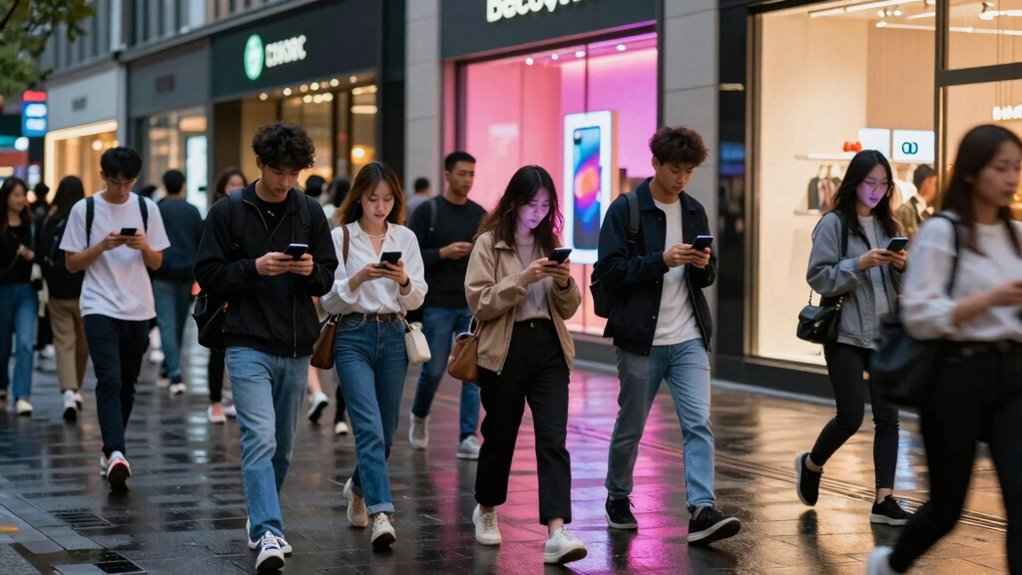
In today’s fast-paced market, consumer tastes shift so quickly that traditional brand planning often struggles to keep up. You find yourself constantly adjusting strategies to stay relevant, but the rapid pace of change makes long-term plans seem outdated almost as soon as they’re made. Digital disruption fuels this speed, transforming how consumers discover, evaluate, and buy products. Social media platforms, influencers, and instant feedback loops mean your audience’s preferences can change overnight. What was trendy yesterday might be passé today, and if your brand isn’t agile, you risk losing ground. The challenge lies in predicting what consumers want next while reacting swiftly enough to meet their evolving expectations.
In a rapid, digital-driven world, agility is essential to keep up with ever-changing consumer preferences.
Cultural shifts also play a significant role in this environment. Society’s values and norms are changing faster than brands can adapt, especially as new generations emerge with different priorities. For example, today’s consumers are more conscious of sustainability, diversity, and authenticity. They expect brands to reflect these values genuinely, not just as marketing buzzwords. If your brand clings to outdated stereotypes or fails to align with current cultural sensibilities, you’ll quickly alienate your audience. These shifts happen rapidly, often driven by global movements and social conversations that influence consumer behavior in real time. Digital disruption and cultural shifts create a landscape where traditional brand planning becomes less effective. You can’t rely solely on historical data or annual strategic reviews anymore. Instead, you need to adopt a mindset of continuous agility. That means constantly listening to your audience through social channels, analyzing real-time data, and being ready to pivot your messaging or offerings at a moment’s notice. Recognizing the importance of consumer behavior helps brands stay ahead of trends and adapt proactively rather than reactively. Your brand has to be flexible enough to embrace new trends and cultural expectations without losing its core identity.
The key is to develop a dynamic approach that balances strategic intent with tactical responsiveness. This involves integrating ongoing consumer feedback loops into your planning process, leveraging technology to monitor shifts in digital culture, and fostering a culture of innovation within your team. As consumers’ expectations evolve, staying ahead of trends becomes crucial for long-term success. By doing so, you increase your chances of staying relevant amidst the relentless pace of digital disruption and cultural change. You won’t always get it perfect, but the ability to adapt quickly is what separates brands that thrive from those that fade away. Ultimately, in a world where consumer taste moves faster than your brand plan, agility isn’t just an advantage—it’s essential for survival.
real-time social media analytics tools
As an affiliate, we earn on qualifying purchases.
As an affiliate, we earn on qualifying purchases.
Frequently Asked Questions
How Can Brands Keep up With Rapidly Changing Consumer Preferences?
You can stay ahead by prioritizing trend anticipation, keeping a close eye on emerging shifts in consumer preferences. Embrace brand agility, allowing quick pivots and flexible strategies to meet changing demands. Regularly gather consumer feedback and analyze data to spot patterns early. By staying proactive and adaptable, you’ll respond swiftly to new trends, ensuring your brand remains relevant and engaging despite the fast pace of consumer tastes.
What Tools Are Most Effective for Real-Time Consumer Insight Gathering?
You should prioritize tools that provide real-time feedback and sentiment analysis, like social listening platforms and AI-powered analytics. These tools help you quickly gauge consumer emotions and preferences, enabling you to adapt your strategies swiftly. By monitoring social media conversations and reviews constantly, you stay ahead of trends, refine your messaging, and guarantee your brand resonates with current consumer tastes. This proactive approach keeps you competitive in a fast-changing market.
How Does Social Media Influence Quick Shifts in Consumer Taste?
Social media influences quick shifts in consumer taste through viral trends and influencer impact. You notice how a single viral trend can instantly sway preferences, prompting brands to adapt rapidly. Influencers amplify these trends, making them more widespread and urgent. As a result, your customers’ tastes evolve faster, pushing brands to stay agile. This dynamic environment means you need real-time insights to keep pace with the ever-changing consumer landscape driven by social media.
Are Traditional Market Research Methods Still Relevant Today?
Traditional market research methods are still relevant, but they’re like using a map in a GPS world. Focus groups and print surveys provide valuable deep insights, yet they can’t keep up with rapid shifts in consumer taste driven by social media. You need to combine these methods with real-time data to stay ahead. Relying solely on old methods risks missing the fast-moving trends shaping your audience’s preferences today.
How Can Brands Adapt Their Messaging to Evolving Consumer Values?
You can adapt your messaging by emphasizing brand authenticity and ethical branding, which resonate with evolving consumer values. Show genuine commitment through transparent practices, honest storytelling, and social responsibility. Keep your messaging flexible and responsive, engaging with your audience on meaningful issues. By aligning your brand with consumers’ values, you build trust and loyalty, ensuring your message stays relevant in a rapidly changing landscape.
Conclusion
So, you see, keeping up with consumer tastes is like trying to catch lightning in a bottle — quick, unpredictable, and constantly shifting. You need to stay agile and adaptable, ready to pivot before your competitors even realize the change. Embrace the speed of today’s market, and remember, if you’re slow to react, your brand might just become yesterday’s news. Stay alert, stay flexible, and keep your finger on the pulse.