TL;DR

Get your wardrobe favorites delivered free — and shop member deals
- Fast, free delivery on millions of items
- Access to Prime Big Deal Days deals on October 6–7
- Prime Video, Amazon Music and more included
FENDI’s Spring/Summer 2027 fashion show shifted from traditional runway to a spectator-focused experience. The event’s format is confirmed, but the full implications and audience reactions are still emerging.
FENDI’s Spring/Summer 2027 fashion presentation notably transformed the typical runway experience by turning the audience into spectators, rather than active participants. This shift in format is confirmed and marks a significant departure from traditional fashion show structures, making it a noteworthy development in the industry.
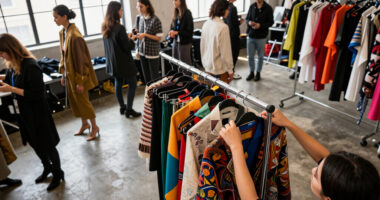
According to reports from fashion observers and attendees, FENDI’s SS27 event took place in a manner that minimized the usual runway walk. Instead, the audience was positioned as spectators watching a curated presentation, with models appearing in a more static, gallery-like setting. This approach has been confirmed by multiple sources present at the event.
Industry insiders suggest that the change aims to create a more immersive and contemplative experience, moving away from the spectacle of traditional runway shows. The event reportedly involved elaborate staging and lighting, emphasizing the clothing and design details over the typical catwalk dynamic.
While the format is confirmed, details about the designers’ intentions, the audience’s reactions, and whether this signals a broader shift remain unclear. Some sources indicate that the show was well-received, but comprehensive feedback from attendees has not yet been publicly released.
Implications of Audience as Spectators in Fashion Shows
This development signifies a potential shift in how fashion brands engage with audiences during runway presentations. By transforming attendees into spectators, FENDI may influence future show formats, emphasizing a more artful, less performative approach. It could also reflect changing priorities in fashion marketing, focusing more on visual storytelling and experiential engagement rather than traditional runway theatrics. The move is particularly relevant as the industry explores new ways to connect with audiences amid evolving consumer behaviors and digital trends.
As an affiliate, we earn on qualifying purchases.
Recent Trends in Fashion Show Formats
Over recent years, there has been a trend toward more experimental fashion show formats, including digital presentations, immersive experiences, and art installations. Major brands have sought innovative ways to adapt to changing audience expectations and technological possibilities. However, turning the audience into passive spectators rather than active participants is a relatively new approach, with few precedents in the industry.
Industry analysts note that this shift may be driven by a desire to elevate the fashion presentation into a form of art or cultural event, moving beyond mere commercial showcase. The trend toward more contemplative and less performative shows is gaining momentum, though it remains uncertain whether this will become a widespread industry standard or stay as an experimental approach specific to certain brands like FENDI.
Unconfirmed Industry Impact and Audience Reception
While the format change is confirmed, it is still unclear how audiences and critics will ultimately perceive this approach long-term. The full impact on brand perception, media coverage, and industry adoption remains to be seen. Additionally, whether this is a one-time experiment or signals a broader shift in fashion show conventions is still unconfirmed.
Further feedback from attendees and industry evaluations are awaited to assess the success and sustainability of this new format.
Next Steps for FENDI and Industry Adoption
FENDI is expected to release more detailed insights into the show’s concept and audience reactions in the coming weeks. Industry observers will monitor whether other brands adopt similar formats or if this remains a unique experiment. Future events may also reveal whether this approach influences the broader industry to reconsider traditional runway structures or continues as an innovative, standalone presentation.
Additionally, digital and media coverage will likely shape public and industry perceptions, determining if this spectator-focused model gains traction or remains an isolated case.
Key Questions
What was different about FENDI’s SS27 show?
The show transformed the audience into spectators, with models in static poses and a focus on visual presentation rather than traditional runway walking.
Why did FENDI choose this format?
While official reasons are not yet confirmed, industry insiders suggest it aims to create a more artful, immersive, and contemplative experience that emphasizes design details over performance.
Is this a new trend in fashion shows?
Experimental formats are emerging, but turning audiences into passive spectators is still relatively uncommon. This could signal a new direction or remain an isolated innovation.
How have attendees reacted?
Initial reports indicate positive reception, but comprehensive feedback from attendees and critics has not yet been publicly shared.
Will other brands follow FENDI’s approach?
It is currently unknown. Industry analysts will watch upcoming events to see if this format influences broader adoption.
Source: rss
Evergreen bestsellers Picks
bestsellers
As an affiliate, we earn on qualifying purchases.