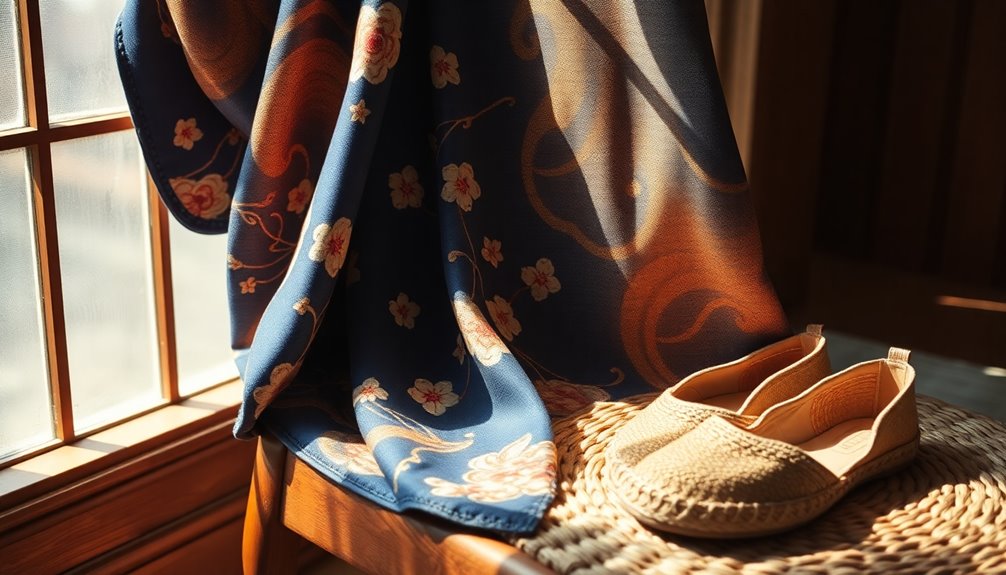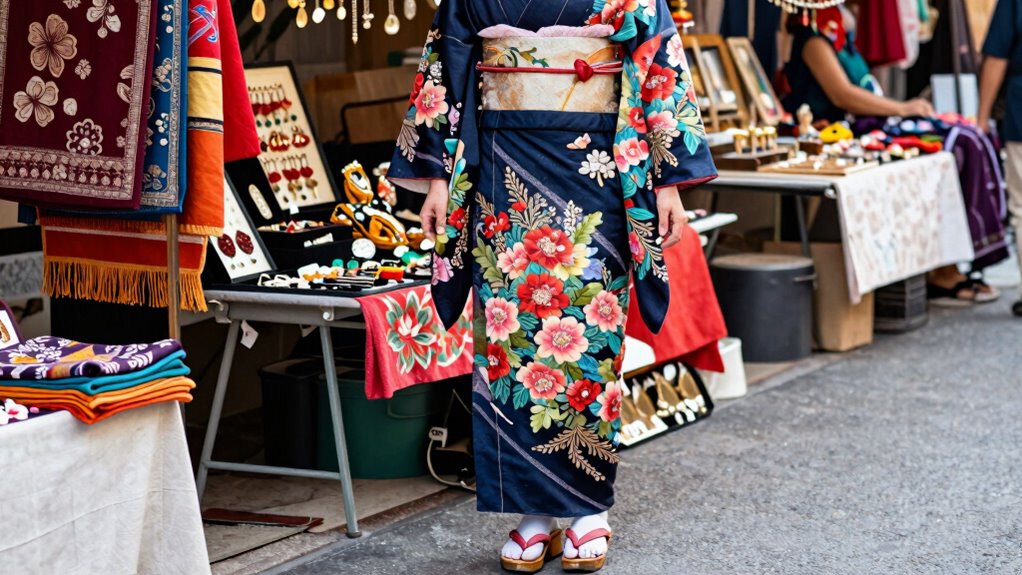

To talk about cultural fashion without flattening its meaning, approach with respect and curiosity. Acknowledge the history, significance, and evolving nature of traditional styles, avoiding superficial trends or stereotypes. Engage with authentic voices from marginalized communities and listen to their perspectives. Be mindful of cultural context and avoid appropriation by giving proper acknowledgment. If you keep exploring, you’ll discover how to appreciate fashion as a dynamic, meaningful expression rooted in identity and tradition.
Play games included with Prime
Start a Prime free trial and play with Amazon Luna on your devices.
As an affiliate, we earn on qualifying purchases.
Key Takeaways
- Acknowledge and respect the cultural significance and historical context of traditional garments.
- Engage with authentic voices and communities to ensure respectful and accurate representation.
- Approach cultural fashion with humility, avoiding assumptions or superficial interpretations.
- Recognize the fluidity and evolving nature of cultural styles within their communities.
- Avoid reducing cultural attire to trendy or exoticized costumes, emphasizing genuine appreciation and understanding.

Talking about cultural fashion requires sensitivity and respect, especially since clothing often holds deep significance for identity and tradition. When you discuss styles rooted in specific cultures, it’s essential to recognize that these garments are more than just aesthetic choices—they embody history, values, and community identity. Misunderstanding or overlooking this can lead to cultural appropriation, where elements of a culture are used without acknowledgment or understanding, often reducing meaningful traditions to trendy costumes. To avoid this, approach cultural fashion with humility, acknowledging its origins and the people who have preserved these traditions. Instead of viewing these styles as exotic or novel, see them as expressions of lived experiences, which demands thoughtful representation. Incorporating an awareness of Free Floating concepts helps deepen your understanding of the fluidity and evolving nature of cultural fashion. Recognizing that fashion trends can be culturally dynamic allows for a more nuanced appreciation and respectful engagement. Additionally, understanding the importance of authentic voices in these conversations can help ensure that marginalized communities are empowered to share their stories and perspectives. Recognizing that fashion is an ever-changing phenomenon highlights the importance of approaching it with curiosity and cultural humility rather than appropriation. Moreover, acknowledging the historic significance behind traditional garments can foster greater respect and appreciation for their cultural roots. Being mindful of cultural context is crucial to avoid misinterpretation and to honor the deep roots of these styles.
traditional cultural clothing for women
As an affiliate, we earn on qualifying purchases.
As an affiliate, we earn on qualifying purchases.
Frequently Asked Questions
How Can I Learn the Cultural Significance Behind Traditional Attire?
To learn the cultural significance behind traditional attire, start by researching its cultural symbolism and history. Talk to community members or cultural experts who can share personal insights. Visit museums or attend cultural festivals to observe traditional craftsmanship firsthand. Listening actively and asking respectful questions helps you understand the deeper meaning behind the attire, ensuring you appreciate its importance beyond just its appearance.
What Are Respectful Ways to Ask About Someone’s Cultural Clothing?
Approach with respectful curiosity, like opening a treasured book. When asking about someone’s cultural clothing, say, “I admire your attire and would love to learn about its significance.” Express genuine interest without assumptions. This shows cultural appreciation and respect. Remember, framing your questions thoughtfully invites openness, helping you learn without offending, and fosters a meaningful exchange that honors the richness of their tradition.
How Do I Avoid Stereotypes When Discussing Cultural Fashion?
To avoid stereotypes when discussing cultural fashion, focus on cultural appreciation rather than assumptions. Educate yourself about the history and significance behind the styles, emphasizing fashion authenticity. When you talk about it, listen actively and respect the perspectives of those who wear or create these garments. Avoid generalizations, and recognize the diversity within cultures. This approach shows genuine respect and helps you appreciate cultural fashion without flattening its rich complexity.
Can I Wear Cultural Clothing as a Fashion Statement?
Yes, you can wear cultural clothing as a fashion statement, but do so respectfully. For example, a designer might incorporate traditional African prints into modern garments, honoring their cultural symbolism and history. Understanding fashion history helps you appreciate the significance behind the attire, ensuring your choices celebrate rather than appropriate. Always research the cultural meaning, seek permission when possible, and avoid stereotypes to honor the integrity of the fashion.
How Do Cultural Fashion Norms Vary Across Different Communities?
You’ll notice that cultural fashion norms vary widely across communities, shaped by history, beliefs, and identity. Be mindful of cultural appropriation, which can disrespect origins, and avoid fashion tribalism that reduces traditions to trends. Respect local customs, seek permission if possible, and educate yourself about the significance of clothing. By doing so, you honor diversity and prevent exploiting cultural symbols for mere aesthetics.
Conclusion
Remember, cultural fashion is like a delicate tapestry—each thread telling a story rooted in history and identity. When you speak about it, handle it with care, like holding a fragile lantern that illuminates its unique glow without casting shadows of stereotype. Your words can be the gentle breeze that respects its depth or the storm that flattens its beauty. Choose kindness and curiosity, and let your voice be a bridge, not a barrier.
Fall yard work Picks
leaf blowers
As an affiliate, we earn on qualifying purchases.