

To stop buying duplicates you don’t need, start by creating a clear shopping list and sticking to it. Pause before every purchase to ask if you really need the item, and wait 24 hours for non-urgent buys. Keep track of what you already own through regular inventory checks, and set spending limits to build discipline. Staying aware of your triggers and habits helps you make intentional choices—if you want to learn more, keep exploring how to master this habit.

Get your wardrobe favorites delivered free with Prime
- Fast, free delivery on millions of items
- Prime Video, Amazon Music and more included
- Member-only deals all year
Key Takeaways
- Create and stick to a detailed shopping list to avoid impulsive duplicate purchases.
- Regularly organize and inventory your belongings to recognize existing items before buying more.
- Implement a waiting period (e.g., 24 hours) before purchasing non-essential items.
- Monitor shopping triggers like boredom or stress to prevent impulsive duplicate buying.
- Set spending limits and practice self-discipline to reduce unnecessary duplicate purchases over time.
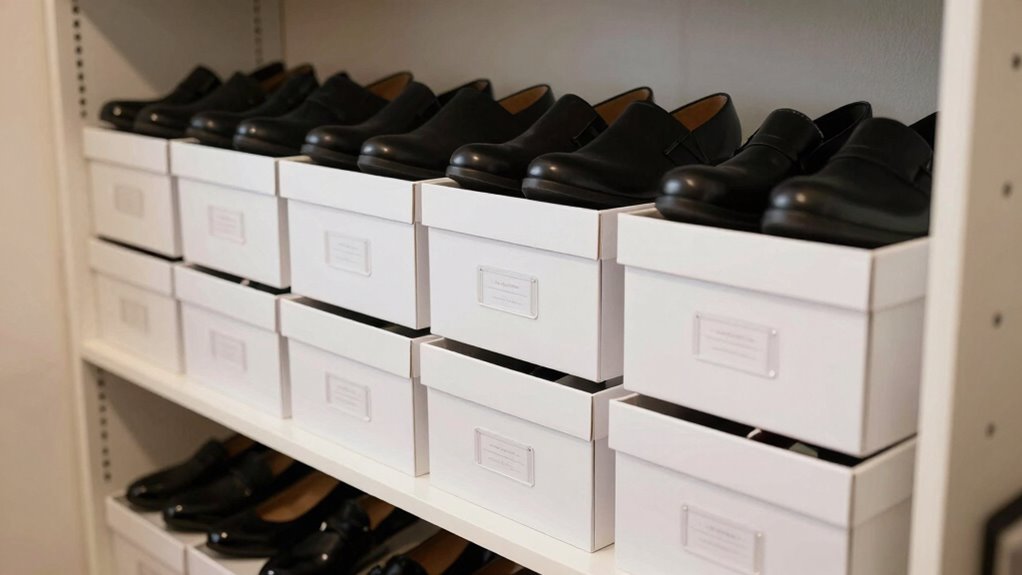
Buying duplicates of items you already own can sneak up on you, wasting money and cluttering your space. It’s a common trap many fall into because of their shopping habits. You might see an item on sale or get caught up in the moment, and before you know it, you’ve purchased something you already have. Recognizing this pattern is the first step to breaking it. Often, it’s a matter of impulse control—resisting the urge to buy something on a whim rather than sticking to a list or plan. When you shop without purpose, it’s easy to justify buying extra items, especially if they seem like good deals or if you think you might need them someday. But these impulsive decisions build up, adding unnecessary duplicates that clutter your home and drain your wallet.
Buying duplicates wastes money and creates clutter—practice impulse control to shop intentionally and avoid unnecessary purchases.
To curb this tendency, start by examining your shopping habits. Are you shopping when bored, stressed, or emotional? Do you tend to buy impulsively because of sales or limited-time offers? Once you identify your triggers, you can develop strategies to control them. For example, create a shopping list and stick to it. If you see an item you already own on sale, pause and ask yourself if you truly need another. Often, the answer is no. Implementing a waiting period—say, 24 hours—before making non-essential purchases can also help. This cooling-off period gives you time to decide if you really need the item or if it’s just an impulse. Developing self-awareness about your shopping triggers can significantly reduce unnecessary buying. Additionally, being mindful of your shopping patterns can help you recognize when you’re most vulnerable to making impulse buys.
Another effective approach is to organize what you already own. When you keep track of your belongings, it’s easier to notice duplicates before buying more. Regularly declutter to see what you truly have and need. This awareness can prevent unnecessary purchases and reinforce the idea that you don’t need a second or third of everything. Incorporating inventory checks into your routine can help reinforce this habit. Additionally, setting limits on how much you’re willing to spend or buy in a given period can help enforce discipline. For example, only allowing yourself to purchase a certain number of items each month makes you think twice about buying duplicates or extras.
Ultimately, changing your shopping habits takes practice and self-awareness. Recognize that impulse control is a skill you can strengthen. When you learn to pause and evaluate your motivations, you’ll find it easier to avoid buying duplicates that serve no real purpose. Building awareness about your spending habits can prevent unnecessary purchases and help you develop a more mindful approach to shopping. Developing better shopping discipline can lead to significant savings and a clutter-free home. Over time, these small changes will help you save money, reduce clutter, and enjoy a more intentional approach to shopping.
inventory management app for home
As an affiliate, we earn on qualifying purchases.
As an affiliate, we earn on qualifying purchases.
Frequently Asked Questions
How Can I Identify My Duplicate Items Quickly?
To identify your duplicate items quickly, start with effective inventory management. Use clear labels and organize items by category or usage frequency. Regularly declutter by reviewing your collection and removing duplicates you no longer need. Digital tools or apps can help track what you own, making it easier to spot duplicates. Consistent decluttering techniques keep your space tidy and prevent unnecessary purchases, saving you time and money.
What Are the Best Ways to Organize My Belongings?
Organizing your belongings is like arranging a symphony, each item playing its part perfectly. Use effective storage solutions to categorize similar items and decluttering techniques to eliminate what you don’t need. Label boxes clearly, utilize shelves, and consider drawer dividers. Regularly review your possessions to maintain order. This approach keeps your space tidy, makes finding things easier, and prevents duplicate purchases, helping you enjoy a clutter-free, harmonious environment.
How Do I Resist Impulse Buying in Stores?
To resist impulse buying in stores, practice mindful shopping by pausing before making a purchase. Recognize emotional triggers that lead you to buy things on a whim, such as stress or boredom. Take a moment to evaluate whether you truly need the item or if it’s just an emotional response. Carry a list and stick to it, and give yourself a cooling-off period before committing to non-essential purchases.
Are There Apps to Track My Possessions?
Did you know that 70% of people own duplicates because they forget what they already have? Apps like Sortly or Encircle let you create digital catalogs, making it easy to track possessions. Barcode scanning features help quickly add items to your inventory, preventing unnecessary duplicates. With these apps, you can effortlessly see what you own, reduce clutter, and save money by avoiding buying things you already have.
How Can I Set a Budget for Shopping?
To set a budget for shopping, start by analyzing your personal finance and establishing a clear spending limit each month. Track your shopping habits to identify unnecessary purchases and prioritize essentials. Use budgeting tools or apps to stay on track and review your expenses regularly. By consciously controlling your spending, you’ll prevent impulse buys, reduce duplicates, and build healthier financial habits, ensuring you only buy what you truly need.
Conclusion
Now that you know the secrets to avoiding duplicate purchases, imagine how much easier your life will be. But here’s the twist—what if the biggest challenge is yet to come? Stay alert and put these tips into action, because the next time temptation strikes, your smarter, more aware self will be ready. Are you truly prepared to break free from the cycle once and for all? The choice is yours—will you take it?
Fall Picks
fall essentials
As an affiliate, we earn on qualifying purchases.