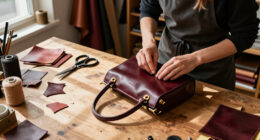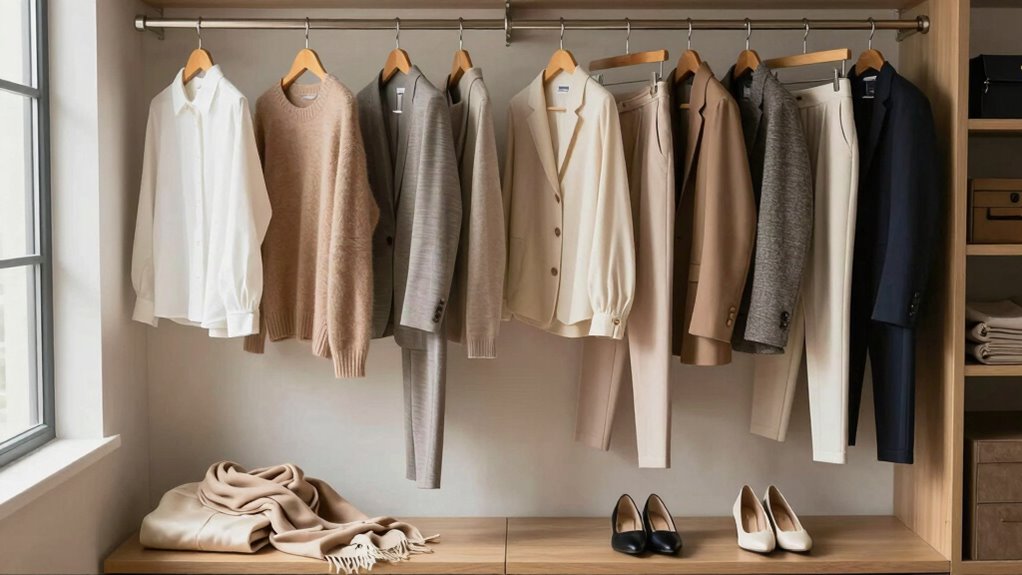

Outfit planning beats impulse buying because it helps you shop mindfully, saving money and reducing clutter. When you plan your outfits, you focus on your personal style and needs, making smarter choices and investing in quality pieces. It prevents you from making emotional, fleeting purchases driven by trends or sales. With a clear wardrobe strategy, you’ll enjoy dressing confidently and avoiding regret. Keep exploring to discover how planning can transform your shopping habits more effectively.

Get your wardrobe favorites delivered free with Prime
- Fast, free delivery on millions of items
- Prime Video, Amazon Music and more included
- Member-only deals all year
Key Takeaways
- Outfit planning promotes deliberate purchases aligned with personal style, reducing impulsive, emotion-driven buys.
- It ensures wardrobe cohesion and versatility, preventing clutter from unnecessary or mismatched items.
- Planning helps set budgets and prioritize needs, avoiding overspending on fleeting trends.
- Thoughtful outfit preparation enhances satisfaction and confidence, minimizing buyer’s remorse.
- A strategic wardrobe fosters sustainable choices and long-term wardrobe usefulness.
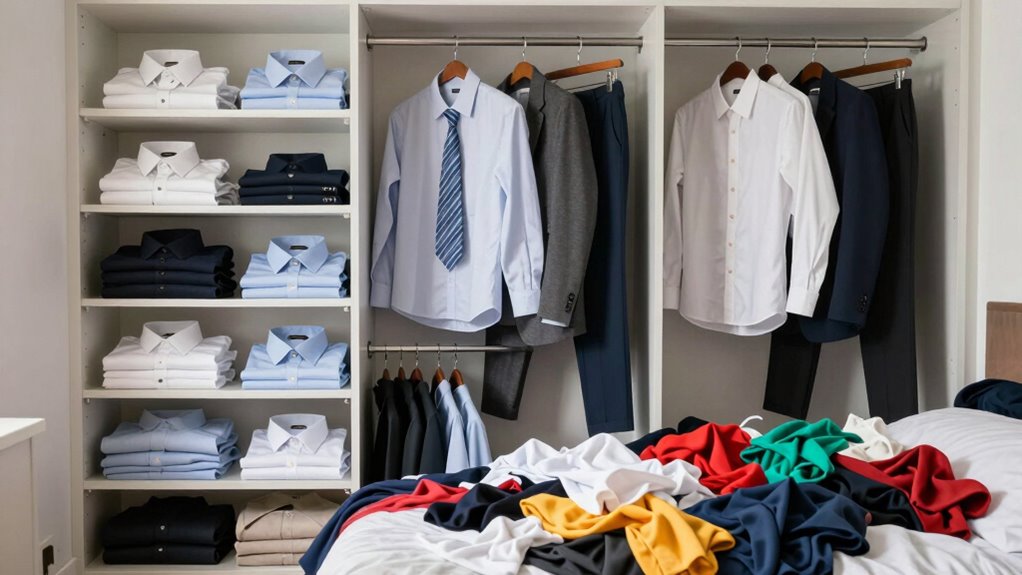
Planning your outfits can save you time and money, but many people still fall into the trap of impulse buying when shopping for clothes. It’s a common pitfall, often driven by emotions or the thrill of a sudden sale. However, understanding fashion psychology can help you resist these urges. When you shop without a plan, you’re more likely to be influenced by fleeting trends, advertising, or the desire to keep up with others. These impulses cloud your judgment, leading to clothes that don’t truly fit your style or needs. On the other hand, when you approach shopping with a clear plan, you’re more aware of what you want and can make deliberate choices. This mindset helps you build a wardrobe that aligns with your personal style rather than fleeting trends, making your purchases more satisfying and sustainable.
Budget management plays a crucial role in outfit planning. When you plan ahead, you set specific spending limits and prioritize your needs over wants. This prevents you from getting caught up in unnecessary purchases that add little value to your wardrobe. Impulse buying often results in spending more than you intended, leaving you with clutter and regret. By creating a shopping list based on your existing wardrobe and upcoming needs, you keep your spending in check. You’re less likely to buy items that you won’t wear often or that don’t coordinate with what you already own, which is a common mistake when shopping impulsively. Developing a wardrobe strategy can further enhance your ability to shop thoughtfully and avoid impulsive decisions. Additionally, understanding the impact of fashion psychology can help you recognize the emotional triggers behind impulsive shopping habits, which is essential for cultivating a mindful shopping mindset. Incorporating intentional shopping practices can also reinforce your ability to stay aligned with your long-term wardrobe goals.
Outfit planning also encourages you to think strategically about your wardrobe. Instead of buying on a whim, you analyze what pieces will serve multiple purposes or work well with other items you own. This approach not only conserves money but also reduces waste. You learn to invest in quality basics that can be styled in various ways, rather than chasing every new trend. Over time, this disciplined approach helps you develop a more cohesive wardrobe that’s easier to manage and more reflective of your personal style. Embracing this mindset can also make shopping more enjoyable, as you focus on quality and versatility rather than fleeting trends, which are often driven by fast fashion influences.
Ultimately, outfit planning empowers you to make smarter, more confident shopping decisions. It shifts your focus from momentary temptations to long-term satisfaction. By understanding fashion psychology and practicing budget management, you avoid unnecessary expenses, clutter, and the frustration that comes with impulsive purchases. Instead, your wardrobe becomes a thoughtfully curated collection that genuinely represents your style, saves you money, and makes everyday dressing simpler and more enjoyable.
As an affiliate, we earn on qualifying purchases.
Frequently Asked Questions
How Does Outfit Planning Save Money Long-Term?
Outfit planning saves you money long-term by making smarter wardrobe investments and reducing impulsive shopping habits. When you plan outfits, you buy only what you need and guarantee each piece complements others, decreasing unnecessary purchases. This approach helps you avoid costly impulse buys, extend the life of your clothing, and build a versatile wardrobe. Over time, you’ll spend less on fast fashion and enjoy a more curated, durable collection.
What Are the Best Tools for Outfit Planning?
Think of outfit planning tools as your personal fashion GPS, guiding your wardrobe organization and enhancing your fashion coordination. Apps like Stylebook or Cladwell help you visualize outfits, track clothing, and plan ahead. I once used Stylebook, and it was like having a stylist in my pocket, saving me time and money. These tools streamline your wardrobe, making outfit decisions easier and reducing impulsive buys, ultimately boosting your style confidence.
Can Outfit Planning Reduce Wardrobe Clutter?
Yes, outfit planning can greatly reduce wardrobe clutter by improving wardrobe organization. When you plan outfits ahead, you avoid buying duplicates or unnecessary items, keeping your clothing collection streamlined. Effective clothing coordination helps you see what you truly need, making it easier to donate or store unused pieces. This approach guarantees your wardrobe stays tidy, functional, and easier to navigate, saving you time and preventing clutter buildup.
How Does Outfit Planning Improve Personal Style?
Sure, outfit planning turns you into a fashion dictator, enforcing style consistency and personal expression. Instead of wandering aimlessly through your closet, you intentionally select pieces that showcase your unique vibe. This strategic approach sharpens your style, making it unmistakably *you*. So, you get to avoid fashion faux pas and look effortlessly put together—because who needs spontaneity when you can be a stylish control freak?
What Common Mistakes Should I Avoid in Outfit Planning?
Avoid neglecting seasonal coordination and color matching when planning outfits. Don’t stick to just one season’s style, as this limits versatility. Also, mismatched colors can create a chaotic look, so choose complementary shades. Don’t rush into impulsive purchases without considering how new items fit into your existing wardrobe. Instead, plan ahead, balancing seasonal trends with your personal style, ensuring a cohesive, polished look every time.
Conclusion
When you plan your outfits, you embrace thoughtfulness over spontaneity, turning shopping into a strategic act rather than a reckless impulse. While impulse buying offers fleeting excitement, outfit planning provides lasting confidence and style coherence. Like a carefully composed symphony versus a sudden burst of noise, planning guarantees your wardrobe reflects your true self, avoiding the chaos of impulsive decisions. Ultimately, choosing preparation over impulse transforms shopping from a gamble into a rewarding, deliberate experience.
Columbus Day / Indigenous Peoples' Day Picks
long weekend sales
As an affiliate, we earn on qualifying purchases.