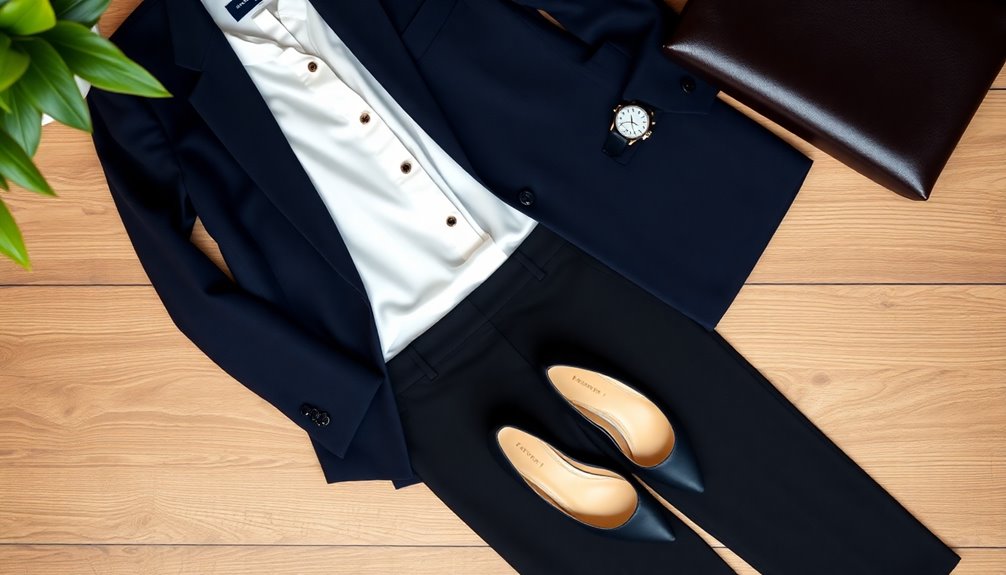

Focusing on cost per wear helps you make smarter clothing choices by highlighting long-term value instead of just the initial price. Higher-priced items can be more economical if you wear them often, saving you money and reducing waste. It encourages you to pick versatile, durable pieces that last longer, supporting sustainable fashion. By considering how often you’ll wear something, you can build a wardrobe that’s both functional and eco-friendly—if you want to discover more, keep exploring this approach.

Get your wardrobe favorites delivered free — and shop member deals
- Fast, free delivery on millions of items
- Access to Prime Big Deal Days deals on October 6–7
- Prime Video, Amazon Music and more included
Key Takeaways
- Cost per wear considers how often you use an item, offering a clearer measure of value than just its initial price.
- Higher-priced items can be more economical long-term if worn frequently, reducing overall spending.
- Focusing on cost per wear promotes mindful purchases, helping avoid unnecessary or impulsive buying.
- It encourages choosing durable, versatile pieces that provide more value over time.
- Emphasizing cost per wear supports sustainable fashion by reducing clothing waste and promoting quality over quantity.
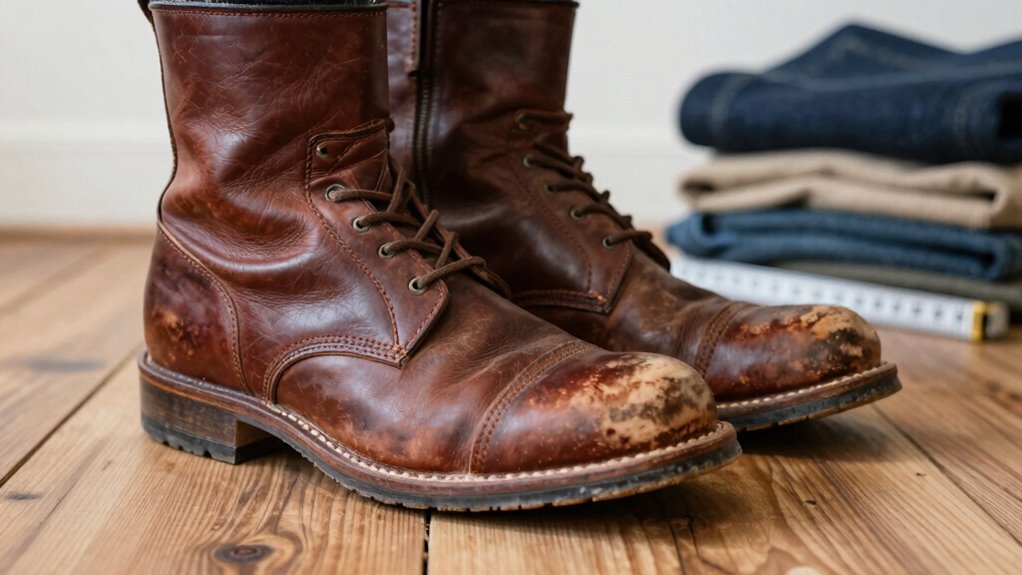
Have you ever wondered if you’re truly getting your money’s worth from your clothing? It’s a common question in today’s world of fast fashion, where new styles seem to appear every week. Instead of just looking at the price tag, it’s more helpful to consider the cost per wear. This approach encourages you to think about how often you’ll actually use an item, rather than how much you paid upfront. When you focus on cost per wear, you’re making smarter choices that support fashion sustainability and wardrobe versatility. A higher-priced piece might seem expensive at first, but if you wear it dozens of times, its cost per wear drops considerably, making it a better investment overall.
Thinking about cost per wear shifts your perspective from impulsive shopping to mindful purchasing. You start asking yourself, “Will I wear this enough times to justify the price?” If the answer is yes, then it’s worth contemplating. This mindset helps you avoid clutter and unnecessary spending, which is key to creating a sustainable wardrobe. Fashion sustainability isn’t just about buying eco-friendly clothes; it’s also about choosing pieces that last and can be styled in multiple ways. When you buy versatile items that can be dressed up or down, you increase their usage, lowering their cost per wear. This not only benefits your wallet but also reduces waste, since fewer clothes end up discarded after just a few uses. Understanding biodiversity in fashion choices highlights how selecting diverse and sustainable brands can positively influence the environment.
Embrace versatile pieces to reduce waste and make smarter, sustainable fashion choices.
By focusing on cost per wear, you become more intentional about your wardrobe. Instead of chasing trends or impulse buys, you invest in quality, timeless pieces that fit into your everyday life. A well-selected shirt, for example, might seem basic, but if you wear it for years, its cost per wear becomes minimal. You get more value out of your clothing, and your closet becomes a curated collection of versatile pieces you genuinely love. This approach encourages you to prioritize clothing that offers long-term usefulness over fleeting trends, helping you build a more sustainable and functional wardrobe. Additionally, understanding clothing durability in your decision-making process ensures that your investments in apparel are more resilient over time. Recognizing the environmental impact of your purchasing decisions can further motivate you to choose sustainable options and reduce waste. Incorporating sustainable fashion practices into your wardrobe choices emphasizes the importance of supporting brands that prioritize environmental responsibility.
durable versatile wardrobe staples
As an affiliate, we earn on qualifying purchases.
As an affiliate, we earn on qualifying purchases.
Frequently Asked Questions
How Do I Accurately Track the Number of Wears?
To accurately track the number of wears, keep a simple record, like marking a calendar or using a dedicated app for fashion budgeting. Each time you wear an item, note it down. This method helps with wardrobe organization and understanding each piece’s value. Over time, you’ll see which items get the most use, making it easier to make smarter shopping choices and optimize your wardrobe.
Does Material Quality Affect Cost per Wear?
Yes, material quality directly affects cost per wear because fabric durability and material longevity determine how long your clothing lasts. Higher-quality materials tend to withstand frequent use and washing, reducing the need for replacements. This means you’ll get more wears out of each piece, lowering the overall cost per wear. Investing in better fabrics might seem pricier initially, but it pays off by extending your wardrobe’s lifespan and saving you money over time.
Can Cost per Wear Apply to Accessories or Only Clothing?
You might be surprised, but cost per wear applies just as well to accessories as clothing. For example, a high-quality handbag can last for years, making its cost per wear very low. Accessories like jewelry or watches offer incredible style versatility and longevity, spreading their value over many outfits. So, when you consider cost per wear, you’re getting a clearer picture of an accessory’s true value, beyond just its initial price.
How Often Should I Reassess My Wardrobe’s Cost per Wear?
You should reassess your wardrobe’s cost per wear every few months, especially after a wardrobe rotation. Regularly evaluating helps you identify which pieces truly add value, supporting your fashion sustainability goals. By doing this, you guarantee you’re investing in versatile, durable items rather than fast fashion. Reassessing also keeps your wardrobe fresh and aligned with your style, making every purchase more mindful and cost-effective over time.
What Are Common Mistakes When Calculating Cost per Wear?
Ever wondered if you’re overestimating your fashion investment? Common mistakes when calculating cost per wear include ignoring how often you actually wear an item, or forgetting to include maintenance costs like dry cleaning. Poor shopping habits, like impulse buying or focusing solely on price, skew your calculations. To get an accurate picture, track wear frequency and maintenance, ensuring your fashion investments truly pay off over time.
Conclusion
Next time you’re eyeing that pricey jacket, remember the wisdom of cost per wear. Instead of just fixating on the price tag, think about how many days you’ll actually wear it—like a trusty sword from a knight’s tale, it’s worth more when it’s used often. So, don’t be fooled by the shiny allure of a high price; it’s the lasting value that really counts. Keep this in mind, and you’ll be a savvy shopper, no time machine needed.
Fall Picks
fall essentials
As an affiliate, we earn on qualifying purchases.