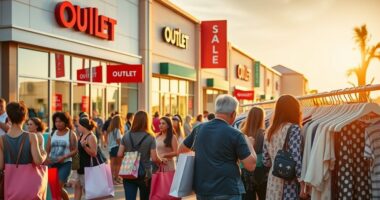
When shopping at discount stores, look beyond the price tags and examine the fabric closely. Check the weave—tight, even patterns indicate higher quality, while loose or uneven threads suggest lower durability. Feel the fabric’s weight—heavier fabrics are typically more robust and long-lasting, especially for outerwear or upholstery. Avoid flimsy or coarse materials, and focus on craftsmanship details like neat edges. For more tips on identifying quality fabrics, keep exploring these helpful indicators.

Get your wardrobe favorites delivered free — and shop member deals
- Fast, free delivery on millions of items
- Access to Prime Big Deal Days deals on October 6–7
- Prime Video, Amazon Music and more included
Key Takeaways
- Examine the fabric weave for tightness, consistency, and evenness to assess quality.
- Feel the fabric to determine weight; heavier fabrics tend to be more durable.
- Check for smooth, uniform surfaces without gaps, loose threads, or uneven textures.
- Look for neat finishing details like secure seams and well-defined edges.
- Avoid flimsy or overly thin materials, and compare fabric feel across options for better value.

Have you ever wondered how to tell if a fabric is truly high quality? When shopping at discount stores, it’s essential to look beyond the price tag and examine the fabric closely. Two key indicators that can help you identify quality fabrics are the fabric weave and fabric weight. These details reveal the craftsmanship and durability behind the material, ensuring you make smart, long-lasting choices even at a lower price point.
First, pay close attention to the fabric weave. The weave refers to the way threads are interlaced to create the fabric. A tight, consistent weave indicates better quality because it’s less likely to fray or wear out quickly. Run your fingers over the fabric and look for a smooth, even surface without gaps or loose threads. If the fabric feels coarse or uneven, it might be made from cheaper, lower-quality fibers or poorly woven. High-quality fabrics often have a balanced, dense weave that looks uniform from every angle. Whether it’s plain, twill, or satin, the weave pattern should be clear and well-defined, reflecting good craftsmanship. Additionally, examining the fabric’s finishing details, such as neat edges and secure seams, can further indicate higher quality.
A tight, even weave signals high-quality fabric with durability and craftsmanship.
Next, consider the fabric weight. Fabric weight is measured in grams per square meter (gsm) and directly affects how the material drapes and feels against your skin. Generally, heavier fabrics tend to be more durable and substantial, making them suitable for items like jackets or upholstery. Lighter fabrics are more delicate and better suited for summer clothing or sheer curtains. To gauge fabric weight, hold the material in your hand and feel its heft. If it feels flimsy or overly thin, it’s probably lower quality. Conversely, a fabric that feels substantial yet flexible usually indicates a higher grade. Keep in mind that fabric weight can vary depending on the intended use, so choose accordingly based on the garment or item you’re considering.
At discount stores, it’s easy to be misled by attractive prices, but taking a moment to examine the fabric weave and weight can save you from disappointment. Look for fabrics that feel sturdy and have a tight, even weave. Avoid materials that seem brittle or overly flimsy. When you get familiar with these indicators, you’ll develop a keen eye for quality fabric, allowing you to make smarter purchases even when shopping on a budget. Remember, a well-made fabric isn’t just about appearance—it’s about how it’s woven and how much it weighs, which together determine its durability and overall quality. Recognizing these qualities helps distinguish fabric quality from lower-grade options, ensuring better value for your money.
As an affiliate, we earn on qualifying purchases.
Frequently Asked Questions
What Are Common Signs of Low-Quality Fabric?
You can spot low-quality fabric by checking its fabric sheen; dull or uneven surfaces often indicate poor quality. Feel the material—low-quality fabrics tend to be stiff or rough. Examine the stitching quality—loose, uneven, or frayed stitches suggest poor craftsmanship. Also, look for transparency or thinness, which can reveal inferior fibers. These signs help you avoid fabrics that won’t last or look good over time.
How Does Fabric Weight Indicate Quality?
Imagine holding a fabric that feels substantial in your hand, its weight reassuring you of quality. Fabric weight, or fabric density, reveals durability — heavier fabrics usually mean tighter weaving and better craftsmanship. When you check, feel for a dense, substantial texture. Light, flimsy materials often lack durability. Trust your touch; a heavier fabric signals higher quality, ensuring comfort and longevity in your garments.
Can Fabric Texture Reveal Durability?
You can often tell durability by examining fabric texture. If it feels soft but has a tight, even weave pattern, it’s likely more durable. Smooth, consistent fabric softness suggests quality fibers and craftsmanship. Avoid fabrics with loose weaves or uneven textures, as these are prone to wear and tear. By paying attention to these details, you’ll better identify fabrics that stand up to regular use, even at discount stores.
Are There Specific Fabric Blends to Avoid?
When choosing fabrics, you should avoid blends that contain cheap synthetics like polyester or acrylic, which often melt or burn quickly during fiber burn tests and emit strong chemical smells. Instead, look for natural fibers like cotton, wool, or silk, which burn slowly and smell like burnt hair or paper. These indicators help you spot lower-quality blends and make certain you’re selecting durable, high-quality fabrics.
How Does Color Fading Relate to Fabric Quality?
You should watch for color fading, which indicates lower fabric quality. When you dye a fiber, quality fabrics tend to hold their color better over time. Perform a colorfast testing by rubbing a small, hidden area; if the color transfers or fades easily, the fabric likely isn’t durable. Good quality fabrics resist fading and maintain vibrant color, so always check for signs of fading to guarantee you’re getting a better product.
Conclusion
Now that you know what to look for, you can confidently spot quality fabrics at discount stores. Remember, investing in good fabric means your clothes last longer and feel better. Did you know that quality fabrics can last up to twice as long as cheaper alternatives? So, next time you’re shopping, trust your eye and touch—your wardrobe will thank you for it! Happy shopping and happy sewing!
Fall Picks
fall essentials
As an affiliate, we earn on qualifying purchases.