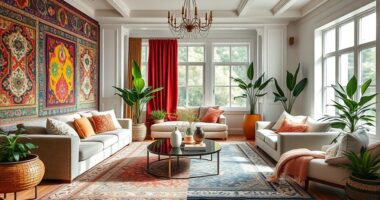
Low seating layouts, or floor-first comfort, create inviting, relaxed spaces that encourage close interactions and cultural authenticity. You’ll enjoy a laid-back atmosphere, which fosters social engagement and a sense of community. Using cushions, mats, and flexible furniture, you can customize the space for maximum comfort and support. Incorporating traditional textiles and patterns adds a cultural touch. Keep exploring to discover how these designs can transform your environment into a vibrant, welcoming hub.

Get your wardrobe favorites delivered free — and shop member deals
- Fast, free delivery on millions of items
- Access to Prime Big Deal Days deals on October 6–7
- Prime Video, Amazon Music and more included
Key Takeaways
- Low seating promotes relaxed, informal environments that encourage social interaction and cultural authenticity.
- Incorporating cushions and supportive materials enhances comfort and reduces strain during extended sitting.
- Floor-first layouts foster a sense of equality and community, blending tradition with modern social spaces.
- Flexible, layered furniture options allow customization for different body types and preferences.
- Cultural textiles and patterns reinforce identity, creating inviting spaces that balance comfort, aesthetics, and cultural significance.
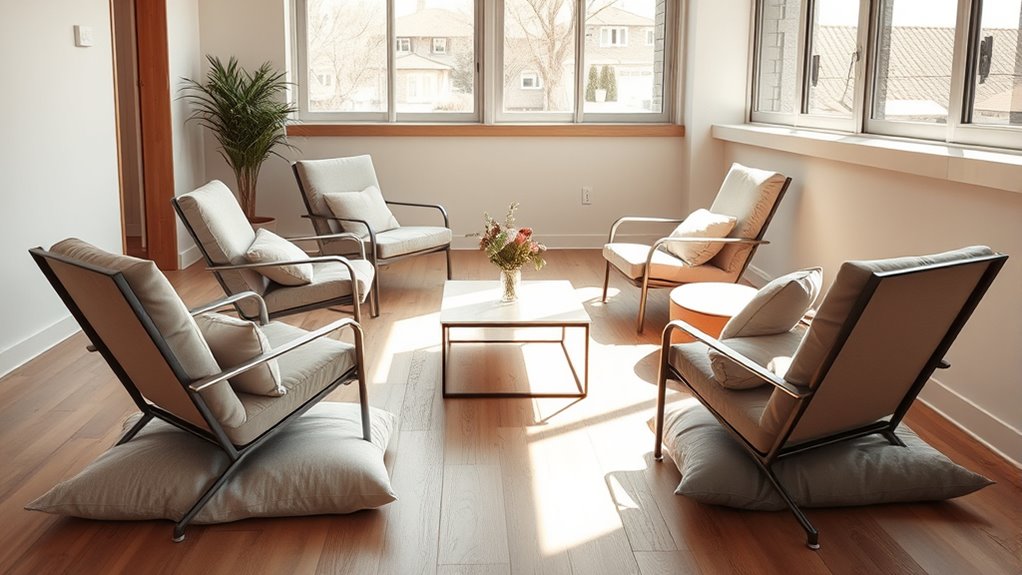
Low seating layouts have gained popularity for their relaxed and informal atmosphere, making spaces feel more inviting and accessible. This trend encourages you to break away from traditional furniture arrangements and embrace a more grounded, communal vibe. As you consider designing or reimagining a space with low seating, it’s vital to recognize how cultural influences shape these choices. In different parts of the world, such as Asia or the Middle East, floor seating has long been a staple, fostering closer interactions and a sense of equality. By integrating these cultural elements, you not only create an environment that feels authentic but also invite diverse social dynamics, encouraging openness and conversation.
Low seating fosters authentic connections rooted in cultural traditions and promotes openness and equality in social spaces.
However, simply lowering the furniture isn’t enough. You need to think about ergonomic considerations to guarantee comfort and safety. When you’re sitting close to the ground, your posture can quickly become strained if the seating isn’t thoughtfully designed. Cushions, mats, and supportive surfaces help distribute weight evenly, preventing discomfort during extended periods of sitting. Incorporate adjustable elements, like backrests or low tables at appropriate heights, to give users options that support their natural body positions. Remember, the goal is to promote ease of movement and minimize strain, so paying attention to ergonomic principles is vital. Additionally, understanding cultural influences can help inform appropriate design choices that resonate with users’ backgrounds and preferences.
The materials you choose also influence the comfort and aesthetic of your low seating arrangement. Soft, plush fabrics invite relaxation, while firmer surfaces offer better support. Think about incorporating layered cushions or modular seating options, allowing users to customize their experience. This flexibility caters to different body types and preferences, making the space more inclusive. Furthermore, integrating cultural influences can extend beyond aesthetics; for example, using traditional textiles or patterns can reinforce a sense of identity and belonging.
In addition, low seating layouts can foster a more dynamic use of space. They encourage you to be more present and engaged, as the physical proximity and relaxed posture often lead to more genuine interactions. This setup can transform a room into a hub of activity and connection, whether in a casual lounge, a creative workspace, or a social gathering area. Just keep in mind that balancing comfort, cultural relevance, and ergonomic health is key. When you design with these elements in mind, you create a vibrant, welcoming environment that reflects both tradition and modern comfort.
As an affiliate, we earn on qualifying purchases.
Frequently Asked Questions
How Do Low Seating Layouts Affect Space Perception?
Low seating layouts create a perception of openness and enhance visual spaciousness. By keeping furniture close to the ground, you make the room feel larger and less cluttered. This design encourages a more relaxed atmosphere, allowing your eyes to move freely across the space. As a result, you experience a greater sense of roominess and comfort, making the environment inviting without feeling cramped or crowded.
Are Low Seating Options Suitable for Outdoor Environments?
Yes, low seating options are suitable for outdoor environments if you choose pieces with outdoor durability and weather resistance. These features guarantee your furniture withstands rain, sun, and wind without damage. You should select materials like treated wood, metal, or weatherproof fabrics. Proper maintenance and protective covers can extend their lifespan, making low seating not only stylish but also practical for outdoor use.
What Safety Considerations Are There for Low Seating?
A stitch in time saves nine, so prioritize safety with low seating. You should guarantee ergonomic support to prevent strain and check for safety hazards like uneven surfaces or sharp edges. Keep the area stable and slip-resistant to avoid falls. Regularly inspect the furniture for wear and tear. By addressing these safety considerations, you protect yourself and others, making your space both comfortable and secure.
How Do Low Seating Arrangements Impact Social Interactions?
You find that low seating arrangements foster more intimate social interactions, making conversations feel closer and more personal. They often align with cultural norms emphasizing community and connection, encouraging relaxed, open exchanges. Plus, their aesthetic appeal adds a cozy, inviting vibe to any space, inviting people to linger longer. By creating an environment where everyone feels comfortable and engaged, low seating enhances social bonds and promotes a sense of belonging.
Can Low Seating Layouts Accommodate All Age Groups?
Yes, low seating layouts can accommodate all age groups, but you need to take into account child comfort and aesthetic appeal. For kids, add cushions or soft mats to make sitting easier and safer. For adults, choose stylish, supportive cushions that blend with the decor. This way, everyone feels comfortable and the space looks inviting. Adjusting the design ensures the layout is functional and appealing for all ages.
Conclusion
Ultimately, embracing low seating layouts gently invites a world of relaxed elegance and subtle intimacy. Instead of towering over your guests, you create an environment where everyone feels comfortably nestled, fostering easy conversations and shared moments. It’s not about sacrificing style for comfort but blending the two seamlessly. By opting for floor-first designs, you subtly transform your space into a haven where ease and grace dance together, making every gathering feel like a cozy, understated celebration.
Fall Picks
fall essentials
As an affiliate, we earn on qualifying purchases.