TL;DR

Get your wardrobe favorites delivered free with Prime
- Fast, free delivery on millions of items
- Prime Video, Amazon Music and more included
- Member-only deals all year
Highsnobiety columnist Sable Yong reports that scalp care is gaining visibility through product marketing, brand events and head-spa treatments. The report describes a $15 billion scalp-care market, but does not establish that the products and procedures promoted across it reliably prevent hair loss or regrow hair.
Scalp care is moving into mainstream beauty marketing, with products, scalp-analysis events and Japanese-style head spas selling care for the skin beneath the hair. In a Highsnobiety Beauty Freak column, writer Sable Yong describes the expanding market and its appeal, while questioning how consumers can distinguish supported treatments from claims that exploit hair-loss worries.
Yong reports that the scalp-care market is valued at $15 billion and describes seeing a rise in advertisements for hair-loss products and subscription treatments. At brand events, she says, attendees are often offered an examination with a magnifying camera, an explanation of scalp health and a demonstration of products presented as solutions. The report does not specify the market valuation’s source, date or methodology.
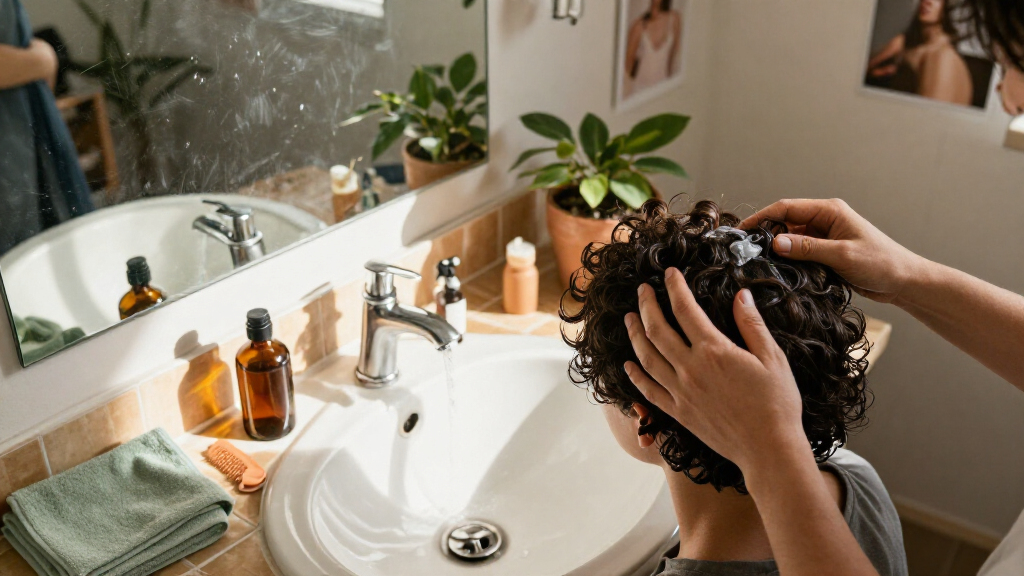
The column also recounts Yong’s experience with a head spa, a treatment she says originated in Japan and has spread internationally. The service combines shampooing and rinsing with scalp, neck and back massage, often while the client lies at a basin. Yong describes the treatment positively and notes its visibility in social-media videos, but presents this as personal experience rather than evidence of hair-growth effects.
Products and procedures span a wide price range. Yong cites supplements priced at $86 for a month’s supply, a serum listed at $120 per month, inexpensive scalp massagers and premium combs, as well as red-light hats, microneedling rollers and in-clinic platelet-rich plasma injections. The column relays product claims, including promises to reduce shedding, but does not independently test them or establish that these options produce consistent results.
Hair-Loss Anxiety Meets Beauty Marketing
The shift matters because scalp care is being marketed not only as a response to diagnosed hair loss but also as a routine part of beauty and wellness. That framing can make services feel more approachable, yet it can also widen the audience for expensive products by linking normal aging and temporary shedding to a need for intervention.
Yong connects the attention to concerns about aging and appearance, including social media’s emphasis on highly styled hair. That is the columnist’s interpretation, not a measured finding about consumer behavior. For readers weighing a purchase, the distinction between a relaxing service, a cosmetic product and a clinically supported treatment is consequential: the report describes a market full of options but does not show that all claims have comparable evidence.
Popular right now

KitchenAid Artisan Series 5-Quart Tilt-Head Stand Mixer, Dried Rose (KSM150PS)

Philips 3300 Series Fully Automatic Espresso Machine with LatteGo Milk System

Samsung 48-Inch S90H OLED 4K Smart TV (2026)
As an affiliate, we earn on qualifying purchases.
From Hair Shedding to Scalp Services
The column opens with Yong’s account of a hairstylist who was also a trichologist noticing short new hairs during an appointment. Yong says she had recently recovered from COVID-19. The stylist suggested the shedding pattern could be telogen effluvium, a temporary form of hair loss that the report says can begin months after recovery and may be followed by regrowth. This is a personal anecdote, not a diagnosis for readers experiencing similar symptoms.
Yong says the scalp was historically less visible in beauty conversations than hair itself, while hair-loss marketing has often been directed at men. She sees the newer focus on scalp care as part of a broader move to discuss personal maintenance more openly. The column’s examples range from scalp massage and salon services to supplements and clinic-based procedures; it does not treat those categories as interchangeable or establish equal levels of evidence.
Evidence Behind Hair-Growth Claims
The column does not provide clinical studies, independent testing or regulatory assessments for the named products and devices. It also does not give the source or measurement period for its $15 billion market estimate. Product statements about reducing shedding, strengthening follicles or addressing scalp aging should therefore be understood as claims described in the report, not independently verified outcomes.
Results from procedures such as microneedling or platelet-rich plasma are not quantified in the article. Yong says friends have tried some interventions with varying results, but that account cannot establish how well they work. The column also does not explain when shedding warrants medical assessment or how readers should evaluate persistent hair loss.
Separating Care From Treatment Claims
The report points readers toward caution rather than a particular product: Yong says she would start with routine scalp massage, using one’s hands, rather than assuming that a costly treatment is necessary. That suggestion is personal advice relayed from a technician, not a substitute for medical guidance or proof that massage regrows hair.
Readers considering persistent or sudden hair loss may wish to seek advice from a qualified health professional, who can assess possible causes and discuss appropriate options. The column does not identify a next industry milestone, such as new clinical data or a regulatory decision. For now, the next step for consumers is to examine what a product actually claims, what evidence supports that claim and whether its cost is justified for their needs.
Key Questions
What is the news in the Highsnobiety report?
Columnist Sable Yong describes scalp care’s growing visibility in beauty marketing, including head spas, scalp-analysis events, products and procedures. The article also questions whether the many advertised solutions are supported by strong evidence.
Does the report prove that scalp-care products regrow hair?
No. It describes product and treatment claims, but does not independently verify them or provide clinical results showing that the options discussed reliably regrow hair or prevent shedding.
What is a head spa?
In Yong’s description, it is a salon-style service combining a hair wash and rinse with scalp, neck and back massage, often with the client lying at a basin. The column discusses the experience, not proof of a hair-growth benefit.
What does the column say about temporary shedding after COVID-19?
Yong recounts a stylist suggesting her shedding could be telogen effluvium, which the report describes as temporary and potentially followed by regrowth. This is her personal account, not a diagnosis or a guarantee about another person’s symptoms.
Source: highsnobiety.com