
TL;DR

Get your wardrobe favorites delivered free with Prime
- Fast, free delivery on millions of items
- Prime Video, Amazon Music and more included
- Member-only deals all year
A Glamour UK guide presents 11 red-light and low-level light therapy devices marketed for hair growth in 2026. The source describes potential benefits and expert advice, but says results are not guaranteed, can take months and depend on consistent use and individual factors.
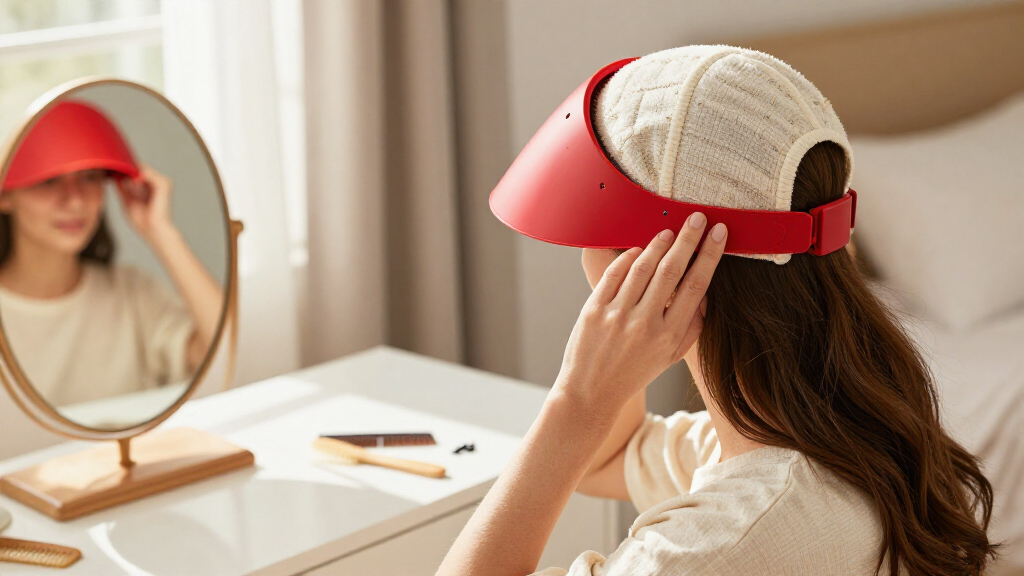
Glamour UK has published a 2026 guide to 11 red-light therapy devices marketed for hair growth, spanning wearable caps and helmets to handheld scalp tools. The roundup gives readers a comparison point, but the accompanying expert comments stress that results are not guaranteed and depend on the device, consistent use and a person’s pattern and cause of hair loss.
The guide describes low-level light therapy (LLLT), also called photobiomodulation, as a non-invasive approach being studied for hair loss. Dr. Raj says the proposed effects include stimulating hair follicles, increasing scalp circulation and supporting cellular metabolism. He notes that research has reported positive results for some people with androgenetic alopecia, the most common cause of hair loss in men and women, according to the source.
The article identifies 620 to 670 nanometers as a wavelength range considered suitable for encouraging hair regrowth. It says CurrentBody’s device emits light from 620 to 660 nm. That information is presented as guidance in the source article, not as proof that all devices in the roundup produce the same outcomes or that one wavelength guarantees growth.
Usage instructions vary by product. The source says some devices are designed for daily or alternate-day sessions of 10 to 20 minutes, while The Light Salon device is recommended by its representatives for use three to five times a week. CurrentBody’s helmet is described as a daily-use device, and FAQ 301 as an alternate-day option. Users are advised to follow the instructions for their specific model rather than applying one schedule to all products.
Choosing a Device Requires Realistic Expectations
The list puts several formats and routines in one place, which may help readers compare devices by fit, ease of use and budget. Dr. Raj favors ergonomic devices that are straightforward to use consistently, while the article says the choice between caps, helmets and handheld tools largely comes down to personal preference.
For consumers, the main qualification is that a product roundup is not evidence that every listed device works for every type of hair loss. Trichologist Kingsley says evidence does not establish guaranteed results and suggests light therapy should be considered alongside other approaches, rather than relied on as a standalone treatment. Readers with ongoing or sudden hair loss may need medical advice to identify its cause and discuss appropriate options.
red light therapy hair growth device
As an affiliate, we earn on qualifying purchases.
As an affiliate, we earn on qualifying purchases.
What the Guide Says About Hair Loss
The supplied article says androgenetic alopecia is the most common cause of hair loss across genders. Genetics can contribute, while pregnancy and stress may also be associated with hair shedding; the source describes telogen effluvium as a form of hair loss following stress. These causes differ, so a device marketed for hair growth should not be assumed to address every underlying condition.
The guide draws a distinction between LED therapy and low-level laser therapy, while grouping them within the wider discussion of light-based scalp treatments. It reports that the experts it consulted see more research support for LLLT, but also stresses that evidence for guaranteed outcomes is limited. The supplied material does not name all 11 products or provide a comparative clinical test of them.
“This therapy is thought to stimulate hair follicles, increase blood circulation in the scalp, and enhance cellular metabolism, which can lead to improved hair density and thickness.”
— Dr. Raj, as quoted in Glamour UK
Evidence and Individual Results Vary
The supplied source does not provide the full product list, prices, independent testing results or a head-to-head comparison, so those details cannot be verified here. It also does not establish that the stated wavelength range or any particular device will work for an individual user.
How much hair may grow, whether it will grow, and when changes might appear remain uncertain. Dr. Raj says some users may notice improvement after 12 to 24 weeks of consistent treatment, but outcomes vary with hair type, hair-loss severity and density, as well as other treatments being used. The source also notes possible temporary scalp irritation, redness or discomfort and advises consulting a doctor or dermatologist if reactions persist.
Check Product Instructions and Medical Advice
Readers considering one of the devices should check the full 2026 guide for its product-by-product list, then verify each model’s current instructions, treatment schedule and safety guidance. The article advises following the manufacturer’s directions; session frequency differs across devices and should not be inferred from another model’s routine.
Anyone experiencing persistent, sudden or concerning hair loss can consult a doctor or dermatologist about possible causes and treatment options. The source presents light therapy as a possible part of a broader hair-loss plan, not a substitute for assessing the underlying cause. The supplied material gives no further publication or product-testing milestone.
Key Questions
Does the guide say red-light devices guarantee hair regrowth?
No. The source quotes a trichologist saying evidence for guaranteed results is limited. It presents light therapy as a potential option, with outcomes that vary by person.
How long might results take?
Dr. Raj says some users may notice changes after 12 to 24 weeks of consistent use, though the source says full effects can take several months and timing differs among individuals.
How often should a device be used?
It depends on the model. The guide gives examples ranging from daily sessions to alternate-day use or three to five sessions weekly, and advises following the specific product instructions.
What side effects does the article mention?
The source says some users may experience temporary irritation, redness or discomfort on the scalp. It recommends consulting a doctor or dermatologist if symptoms persist.
Source: rss
Halloween Picks
halloween
As an affiliate, we earn on qualifying purchases.