
A couture calendar guides you through the fashion industry’s seasonal rhythm by setting fixed dates for runway shows, collection launches, and related activities. It helps you coordinate everything from fabric sourcing to fittings, ensuring deadlines are met well in advance. This schedule influences the timing of industry events and client engagement, maintaining momentum and anticipation. If you keep exploring, you’ll discover how this intricate process keeps the industry synchronized year-round.
Key Takeaways
- Couture calendars schedule major fashion weeks months in advance, aligning collections with international industry events.
- Haute couture deadlines are strict, requiring garments to be completed well before runway shows.
- The calendar coordinates fittings, rehearsals, and final touches to ensure punctual show preparations.
- Seasonal timelines influence fabric sourcing, pattern making, and production schedules for designers.
- It maintains industry rhythm, building anticipation and synchronizing client, model, and industry engagement.
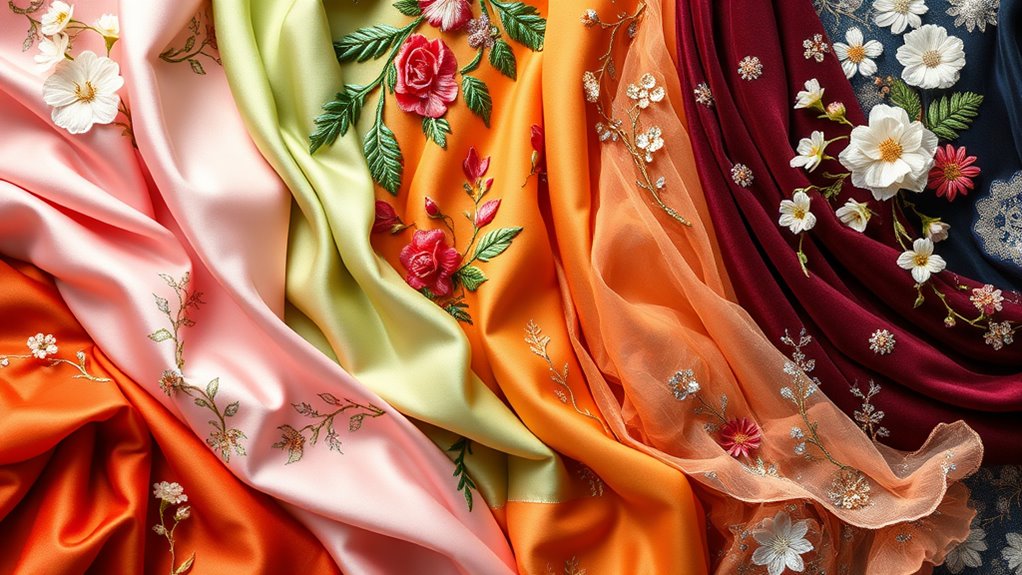
Every year, the world of couture operates on a meticulously planned calendar that guides designers, models, and clients through a whirlwind of events. If you’re involved in this industry, you know how vital it is to stay ahead of the game, especially when it comes to fashion show schedules and haute couture deadlines. These elements shape the entire cycle, making sure that each season’s collection is ready to debut at the right moment. The couture calendar isn’t just a rough outline; it’s a detailed blueprint that dictates every step, from initial sketches to final runway shows.
The couture calendar is a detailed blueprint guiding every step from sketches to runway shows.
As a designer, you’re acutely aware that fashion show schedules are set well in advance, often months before the actual event. These dates are non-negotiable because they coordinate with international fashion weeks in Paris, Milan, and other major capitals. You need to plan your collection timeline carefully, aligning your creative process with these fixed dates. Haute couture deadlines, in particular, are strict, requiring you to complete intricate, handcrafted garments months before the runway. Missing these deadlines isn’t an option—your reputation hinges on punctuality and precision. This means you have to juggle fabric sourcing, pattern making, fitting sessions, and craftsmanship all within tight windows.
Your team works against the clock, knowing that each step must be completed before the next begins. The design process intensifies as deadlines approach, and you often find yourself working late into the night to guarantee every detail is perfect. The calendar is a constant reminder of these deadlines, helping you prioritize tasks and avoid last-minute rushes that could compromise quality. The fashion show schedules also determine when you can schedule fittings, model rehearsals, and final touches. Everything hinges on these predetermined dates, making timing an essential element of your planning.
For clients and buyers, understanding this rhythm is equally important. They anticipate the arrival of new collections aligned with these schedules, ready to purchase or showcase the latest designs at the right moment. The tight coordination ensures that the buzz builds just before each fashion week, making the shows a highly anticipated event. If you’re a model, you know that fitting and rehearsals are scheduled precisely around these dates, and any delay can ripple through the entire season’s presentation.
In essence, the couture calendar is the backbone of the industry’s seasonal rhythm. It keeps everyone synchronized, ensuring that each collection is crafted, refined, and presented at the perfect time. By understanding how seasons work within this framework, you can navigate the complex, high-stakes world of haute couture with confidence and precision.

Couture Sewing Techniques: Revised and Updated
- Couture sewing techniques: Expert methods for couture sewing
- Garment design skills: Design and construction techniques
- Coco Chanel methods: Chanel-inspired sewing techniques
As an affiliate, we earn on qualifying purchases.
As an affiliate, we earn on qualifying purchases.
Frequently Asked Questions
How Do Couture Houses Choose Their Seasonal Themes?
You can see that couture houses choose their seasonal themes based on current trends, artistic inspiration, and cultural influences. They coordinate fashion show logistics to showcase their collections effectively, aligning designs with the theme. Material sourcing plays a vital role, as they select fabrics that reflect the season’s mood. This careful planning results in a cohesive collection that resonates with both the house’s vision and audience expectations.
What Is the Timeline for Designing a Couture Collection?
You start designing a couture collection months ahead, balancing fabric innovation with client consultations. While sketches flow quickly, fabric sourcing and fittings take time, creating a rhythmic rhythm of creativity and precision. Typically, you begin conceptualizing six to nine months before the runway, ensuring each detail aligns with seasonal themes. This timeline allows for meticulous craftsmanship, new fabric experiments, and personalized touches that define true haute couture craftsmanship.
How Do Fashion Weeks Impact Couture Production Schedules?
Fashion weeks directly impact your couture production schedules by dictating key milestones like fabric sourcing and atelier timelines. You need to align your sourcing and sewing processes to meet show deadlines, often working intensively in the months leading up. This tight coordination guarantees your collection is ready on time, as fashion week schedules set the pace for your atelier’s workflow and influence decisions about materials and craftsmanship.
Are Couture Seasons Aligned With Mainstream Fashion Seasons?
Couture seasons aren’t perfectly aligned with mainstream fashion seasons. You’ll notice couture shows often happen separately, focusing on timeless craftsmanship rather than seasonal trends. During these seasons, designers showcase collections influenced by seasonal color trends and celebrity collaborations, setting the tone for upcoming fashion cycles. While mainstream seasons follow a more structured calendar, couture remains more fluid, emphasizing innovation and exclusivity beyond typical seasonal constraints.
How Do Global Events Influence Couture Calendar Planning?
You might find it surprising that global events, like economic shifts or crises, cause 65% of couture houses to adjust their schedules. This impacts luxury branding and client exclusivity, as designers prioritize safety and relevance. When global tensions rise, collections may debut later or be more limited, ensuring your exclusive experience remains intact. Staying flexible helps designers maintain the prestige and allure that define couture seasons amidst worldwide uncertainties.
Conclusion
So, even if couture calendars seem overwhelming, understanding how seasons work makes it all clearer. Remember, designers craft these timelines to bring their visions to life, not just for show. It’s not about keeping up with every show, but appreciating the artistry behind each collection’s timing. With this knowledge, you’ll see fashion weeks in a new light, appreciating the intricate dance behind every stunning runway moment. Fashion’s seasonality is truly a creative rhythm worth understanding.