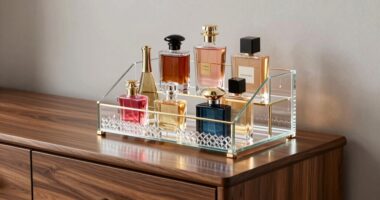
L’Oréal’s recent acquisition of Kering’s beauty division for $4.6 billion is a strategic move to boost its luxury and high-end brand portfolio, including high-profile names like House of Creed. This deal aims to strengthen L’Oréal’s global presence, especially in emerging luxury markets, and improve its competitive edge. It also allows Kering to focus on its core luxury and fashion brands. If you want to understand the broader impact of this move, keep exploring the details behind this significant transaction.

Get your wardrobe favorites delivered free with Prime
- Fast, free delivery on millions of items
- Prime Video, Amazon Music and more included
- Member-only deals all year
Key Takeaways
- L’Oréal is acquiring Kering’s beauty division for approximately $4.7 billion, close to the $4.6 billion figure in the query.
- The deal aims to expand L’Oréal’s luxury and high-end brand portfolio globally.
- Completion is expected in the first half of 2026, pending regulatory approvals.
- Kering will use the proceeds to reduce debt and streamline its focus on core luxury and fashion brands.
- The acquisition strengthens L’Oréal’s position in the global luxury beauty market and industry consolidation trends.
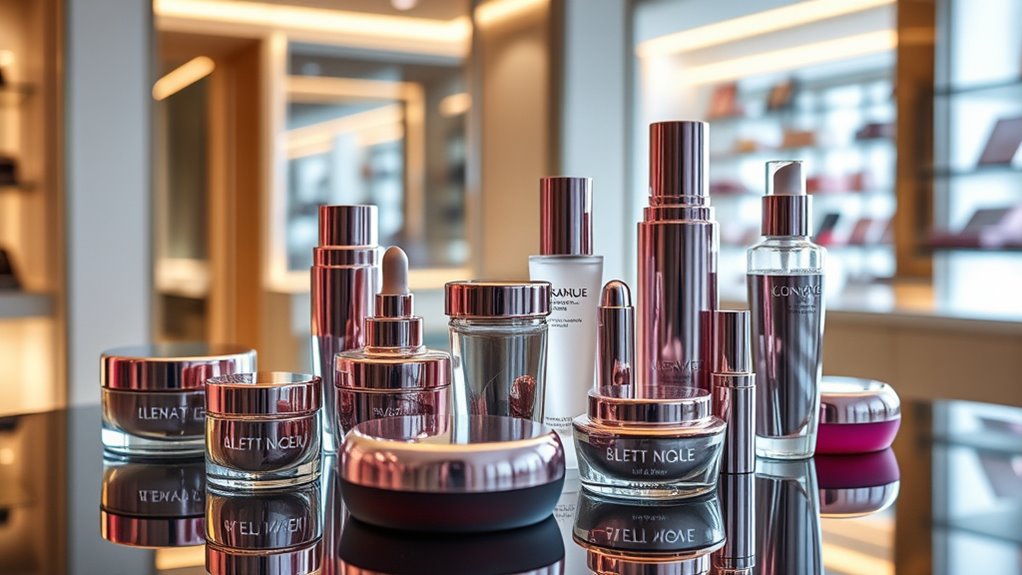
In a move that signals a major shift in the beauty industry, L’Oréal has announced its acquisition of Kering’s beauty division for $4.7 billion, with the deal expected to close in the first half of 2026. This strategic move allows L’Oréal to substantially expand its portfolio, especially in the luxury and high-end segment, by acquiring brands like House of Creed. For you as a consumer or industry watcher, this acquisition means more luxury options under L’Oréal’s umbrella, strengthening its position as a global leader. It also reflects a broader industry trend toward consolidation, where major players aim to solidify their market share and diversify their offerings.
For Kering, the sale marks a pivotal shift under the leadership of new CEO Luca de Meo. The company is shifting focus away from beauty, aiming to streamline operations and concentrate on its core luxury and fashion brands. The $4.7 billion infusion will help Kering reduce its debt and free up resources to invest in its primary business areas. If you follow Kering’s strategy, this move aligns with their goal of optimizing their portfolio and improving financial stability, especially as they navigate a competitive landscape. The sale of their beauty division, including the high-profile House of Creed, underscores their focus on core strengths and long-term growth prospects.
Meanwhile, for L’Oréal, this acquisition is a strategic win. It boosts their market share, especially in the luxury segment, and enhances their overall brand portfolio with high-end names like Creed. This not only broadens their product range but also positions them to compete more fiercely in emerging markets and the global luxury beauty scene. As a result, L’Oréal’s competitive edge sharpens, giving them an advantage over rivals in the increasingly competitive high-end market. The deal also aligns with industry trends toward consolidation and brand diversification, helping L’Oréal reinforce its leadership position.
L’Oréal’s acquisition boosts luxury market share and strengthens its position in high-end beauty globally.
Financially, the deal will bring substantial cash flow to Kering, aiding in debt management and enabling more aggressive investment strategies. For L’Oréal, the acquisition is expected to generate growth opportunities, increase market share, and improve their valuation. The deal’s completion will depend on regulatory approvals and operational integration, which may involve restructuring staff and aligning operations. Overall, this acquisition signals a new chapter for both companies—Kering streamlining its focus, and L’Oréal strengthening its dominance in the luxury beauty market. Additionally, the integration of Kering’s beauty brands may necessitate the preparation of a financial information statement to ensure a smooth transition and compliance with industry standards.
Luxury fragrance Creed House of Creed
As an affiliate, we earn on qualifying purchases.
As an affiliate, we earn on qualifying purchases.
Frequently Asked Questions
How Will This Acquisition Affect Kering’s Existing Brands?
You’ll see Kering’s brands focus more on fashion, leather goods, and accessories since L’Oréal now handles their beauty products. While the brands keep their high-end image, their beauty segments may become less exclusive, reaching broader audiences. You might notice changes in marketing and product launches, leveraging L’Oréal’s expertise. Overall, the brands will likely benefit from L’Oréal’s resources but could risk diluting their luxury perception slightly.
What Changes Will Occur in L’Oréal’s Management Team?
You won’t see immediate changes in L’Oréal’s management team due to this acquisition. The company plans to integrate the new brands and expand its luxury fragrance segment without altering its existing leadership structure. Your focus should be on how L’Oréal leverages this strategic move to strengthen its market position, explore new growth avenues, and enhance operational synergies, rather than expecting significant management shifts in the near term.
Will There Be Any Impact on Consumers’ Product Choices?
Yes, your product choices will likely expand as L’Oréal’s innovation accelerates Kering’s brands, offering more diverse skincare, makeup, and fragrance options. You’ll benefit from improved availability through L’Oréal’s global distribution, especially in new markets like Asia. With faster trend adoption and more co-branded collaborations, you’ll see a broader array of high-quality products. However, some niche or artisanal brands might feel less unique as they integrate into the larger L’Oréal portfolio.
How Will the Acquisition Influence Global Market Competition?
Imagine a crowded marketplace suddenly dominated by a giant, overshadowing smaller shops. That’s how this acquisition influences global competition. You’ll see L’Oréal’s expanded luxury portfolio challenge rivals like Estée Lauder, raising barriers for new brands. It consolidates market power, making it tougher for competitors to gain ground. This shifts consumer choices toward more premium options, while smaller brands struggle to keep up in an increasingly concentrated, competitive landscape.
What Are the Future Plans for Kering’s Beauty Segment?
You should know that Kering plans to focus on its core fashion business, selling its beauty segment to L’Oréal. This move will allow Kering to cut debt and invest more in luxury fashion. Meanwhile, the partnership will help L’Oréal expand its high-end offerings and explore wellness and longevity markets. Overall, Kering’s beauty future emphasizes strategic divestment and strengthening its main fashion brands for sustained growth.
Conclusion
This acquisition reshapes the beauty landscape, proving that even giants must evolve or risk fading away. With L’Oréal’s bold move, the future of beauty is now a battlefield of innovation and power. Remember, in the world of cosmetics, change is the only constant — and those who adapt will lead the charge. As the saying goes, the only way to stay ahead is to seize the moment — because opportunity waits for no one.
Halloween Picks
halloween
As an affiliate, we earn on qualifying purchases.