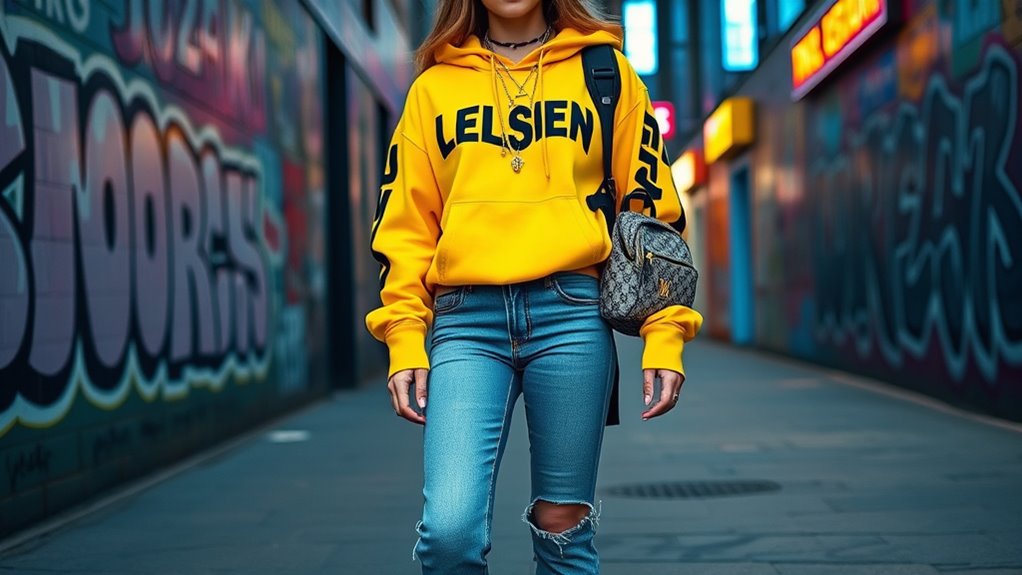

The 2000s “Logomania” craze returned in the 2020s because fashion naturally cycles, blending nostalgia with modern trends. Brands reintroduce vintage logos and bold statement pieces, which appeal to a new generation enthusiastic for self-expression. This trend spans streetwear, luxury, and fast fashion, making once-garish logos fashionable again. If you keep exploring, you’ll discover how designers integrate past styles into today’s collections and why this resurgence resonates culturally.

Get your wardrobe favorites delivered free with Prime
- Fast, free delivery on millions of items
- Prime Video, Amazon Music and more included
- Member-only deals all year
Key Takeaways
- Fashion cycles repeatedly bring back past trends, with the 2000s logomania re-emerging as nostalgia influences modern style.
- Designers revisit vintage logos from the 2000s, blending nostalgic branding with contemporary collections.
- The trend is driven by a desire for bold self-expression, making statement logos fashionable again across streetwear and luxury sectors.
- Cultural nostalgia from the early 2000s, when logos symbolized status, fuels the modern resurgence of logomania.
- The cyclical nature of fashion reconnects past logo-heavy styles with current trends, creating a bridge between generations.
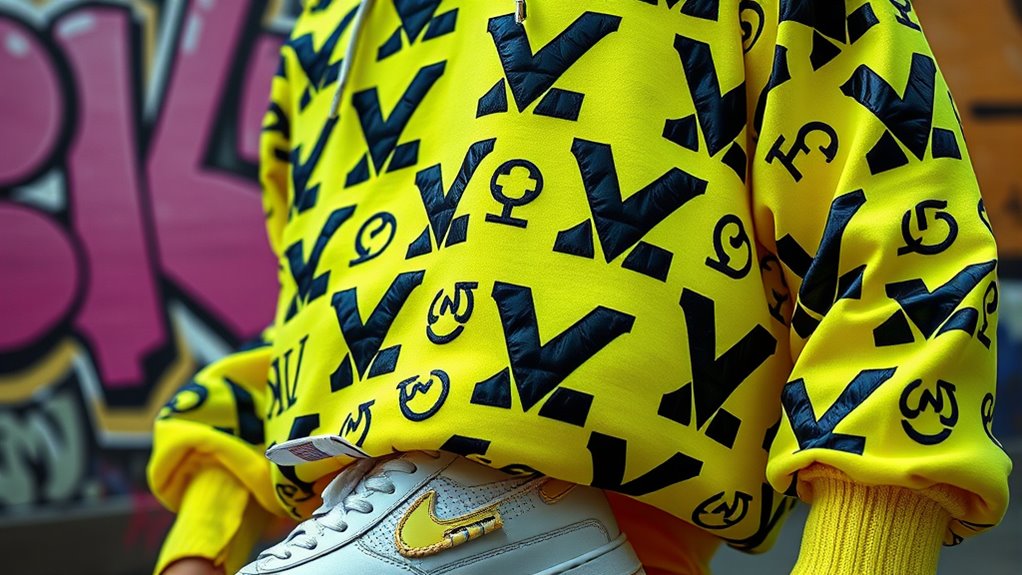
Logomania, the trend of prominently displaying brand logos on clothing and accessories, has experienced a notable resurgence from the 2000s to the 2020s. If you’ve been paying attention, you’ve probably noticed how this style is making a comeback, blending nostalgia with modern fashion. This revival isn’t just a coincidence; it’s driven by a cycle that repeats itself in fashion, where trends from the past are reimagined for today’s style-conscious crowd. As a result, you might find yourself drawn to bold logos and statement pieces that remind you of the early 2000s, but with a fresh twist.
Logomania is making a bold comeback, blending nostalgia with modern fashion trends.
The return of logomania taps into a sense of brand nostalgia that many find appealing. During the 2000s, logos were everywhere—from oversized T-shirts to chunky sneakers—making a statement about status and identity. Now, as you see brands reintroducing their classic logos or collaborating with new designers, you’re encouraged to embrace that same boldness. It’s like reconnecting with a piece of your past, but with a contemporary edge. This nostalgia isn’t just about looking back; it’s about feeling part of a larger cultural moment, where fashion serves as a bridge between generations. You might notice, for example, that today’s designer collections incorporate vintage logos, making them feel both familiar and innovative.
Fashion cycles play a *vital* role in this resurgence. Trends from the early 2000s are resurfacing because fashion is inherently cyclical—what was once old becomes new again. Designers and brands are revisiting their archives, reintroducing logo-heavy pieces that once dominated the streets and runways. As a result, you’re likely to see logomania appearing in streetwear, luxury collections, and fast fashion alike. The cycle ensures that what was once considered bold or even garish becomes trendy again, appealing to a new generation *enthusiastic* to stand out. You might find yourself gravitating toward vintage-inspired logo pieces, appreciating the balance between nostalgia and current style.
In essence, the comeback of logomania in the 2020s is a reflection of how fashion cycles and brand nostalgia intertwine. It’s about celebrating the boldness of past trends while giving them a contemporary refresh. Whether you’re wearing a logo sweatshirt or accessorizing with branded bags, you’re part of a larger movement that values self-expression and cultural references. The style’s revival reminds you that fashion is always evolving, yet rooted in the stories and eras that came before. This cyclical nature is reinforced by the reintroduction of vintage logos, which helps bridge the gap between past and present styles. It’s a way to reconnect with the past while making a statement in the present.
As an affiliate, we earn on qualifying purchases.
Frequently Asked Questions
How Did Social Media Influence Logomania’S Resurgence?
Social media played a big role in logomania’s comeback. You see influencer marketing boost brands by showcasing logo-heavy styles, making them trendy again. Viral challenges, like styling outfits with bold logos, helped spread the craze rapidly. You’re influenced to follow these trends, as platforms like Instagram and TikTok make logo fashion accessible and desirable. This digital buzz fuels the renewed obsession with conspicuous branding from the 2000s.
What Brands Are Leading the 2020S Logomania Trend?
You’ll notice brands like Gucci, Balenciaga, and Louis Vuitton leading the 2020s logomania trend, blending luxury branding with streetwear influence. They prominently feature bold logos on their apparel, making them stand out in fashion circles. This mix of high-end appeal and street style resonates with your generation’s desire for statement pieces. Their innovative designs and logo-centric approach keep the trend fresh, encouraging you to showcase your style confidently.
Are There Any Environmental Impacts of Logomania Fashion?
Think of logomania as a wildfire—spreading quickly and consuming resources. You might not realize, but it can harm the environment if brands don’t use sustainable materials or eco-friendly production. Fast fashion often leads to waste, pollution, and overproduction. By choosing brands that prioritize sustainability, you help reduce these impacts, making fashion a force for good instead of environmental destruction. Your choices can help tame the wildfire.
How Do Cultural Differences Affect Logomania Adoption Worldwide?
You’ll notice that cultural differences shape how logomania is embraced worldwide. In some cultures, it’s a way to showcase cultural identity and status, while others see it as part of fashion globalization, blending diverse styles. Your choices reflect these influences, highlighting how local traditions and global trends intertwine. This dynamic creates a rich tapestry of logomania adoption, where cultural meaning and fashion trends influence each other across different regions.
Can Logomania Be Considered a Form of Political or Social Statement?
You might see logomania as more than just fashion; it can be a form of identity expression and consumer activism. When you wear conspicuous logos, you’re making a statement about your style or social stance. It allows you to challenge or support brands, reflecting personal beliefs or cultural identity. Logomania becomes a visual dialogue, enabling you to participate actively in societal conversations through your clothing choices.
Conclusion
So, as you see, logomania isn’t just a fleeting trend—it’s like a mirror reflecting our obsession with identity and status. It’s a cycle that keeps turning, pulling you in with the allure of familiarity and prestige. Just like a song stuck on repeat, this craze has come back around, reminding you that fashion’s language is as much about expression as it is about making a statement. Are you ready to wear your identity loud and clear?
Halloween Picks
halloween
As an affiliate, we earn on qualifying purchases.