
Fashion schools focus on creativity but often don’t teach how to handle strict deadlines or manage time effectively. In the industry, punctuality and meeting tight schedules are vital for success. You’ll need to break tasks into smaller steps, set mini-deadlines, and stay organized to avoid last-minute rushes. Developing habits of punctuality and discipline prepares you for real-world pressures. If you keep exploring, you’ll discover strategies to master these essential skills beyond the classroom.
Key Takeaways
- Fashion schools often overlook the strict, non-negotiable nature of industry application deadlines.
- Real-world deadlines require proactive planning and early action, unlike the flexible schedules in academic settings.
- Punctuality and timely submissions are essential traits valued by industry professionals but not always emphasized in education.
- Managing multiple deadlines simultaneously is a critical skill taught on the job, not typically covered in classroom curricula.
- Developing discipline and time management habits in applying to programs prepares students for the fast-paced fashion industry.

Are you wondering when to submit your applications to fashion schools? Timing can be tricky, especially when balancing industry pressures and managing your time effectively. Unlike academic deadlines, application deadlines are often fixed and non-negotiable, so understanding the timing is essential. Many students assume that once they’ve completed their portfolio or filled out the form, they’re done. But failing to submit on time can mean missing out on opportunities altogether. Fashion schools typically have strict schedules—some accept applications only once a year, while others have rolling admissions. Knowing these dates early ensures you’re not caught off guard.
Understanding fashion school application deadlines is crucial to seize opportunities and stay ahead in a competitive industry.
Industry pressures add a layer of urgency that many students underestimate. The fashion world is fast-paced and highly competitive, which can make deadlines seem even more vital. You might feel the need to perfect every detail before submitting, but remember, perfection is often the enemy of good timing. Sometimes, it’s better to submit a strong, complete application than to delay in pursuit of perfection. Because the industry values punctuality and responsiveness, mastering your time management skills becomes essential. You need to carve out dedicated periods for research, preparation, and review, all while keeping an eye on the calendar. Staying organized with a planner or digital calendar helps you track deadlines and set internal milestones, so nothing slips through the cracks.
The pressure to meet deadlines isn’t just about avoiding rejection; it’s about demonstrating professionalism. Fashion schools look for students who can adhere to schedules, work under tight timelines, and handle the demands of a fast-moving industry. If you procrastinate or underestimate the time needed for tasks like writing your personal statement or assembling your portfolio, you risk rushing through important parts or submitting subpar work. Effective time management involves breaking down the application process into manageable steps, setting mini-deadlines, and sticking to them. This way, you guarantee each component gets the attention it deserves without last-minute panic.
Ultimately, understanding when to submit your applications is about more than just dates; it’s about cultivating a disciplined approach that mirrors the pace of the fashion industry itself. Recognizing the importance of industry pressures and honing your time management skills will help you stay ahead. When you get your timing right, you not only increase your chances of acceptance but also develop habits that will serve you well throughout your career. Staying organized, starting early, and respecting deadlines show that you’re serious about your aspirations—traits that fashion schools value highly. Additionally, considering the role of deadlines in project planning can help you better prepare for future professional scenarios.

Rocketbook Flex Reusable Planner, Smart Undated, Daily, Weekly, Monthly, Annual Calendar Templates, Executive Size 6X8.8, Teal (Pack of 1)
All-in-One Planning: 48 reusable pages include daily, weekly, monthly, and annual templates, plus lined and dotted pages for…
As an affiliate, we earn on qualifying purchases.
As an affiliate, we earn on qualifying purchases.
Frequently Asked Questions
How Do Students Manage Multiple Deadlines Simultaneously?
When managing multiple deadlines, you should prioritize tasks using effective time management. Break projects into smaller steps and set clear milestones. Peer accountability helps too—share your schedule with classmates or colleagues who can remind you and keep you on track. Staying organized and communicating openly guarantees you meet your deadlines without last-minute stress, making your workflow smoother and more manageable.
What Tools Help Stay Organized Under Tight Schedules?
Like a tightrope walker balancing a pole, you need steady tools to stay stable under pressure. Digital tools become your safety net, helping you manage time management effectively. Apps like Trello, Asana, or Notion act as your compass, guiding task prioritization and deadlines. They keep you organized, ensuring you don’t stumble. Embracing these tools makes juggling multiple schedules easier, letting you focus on the creative runway ahead.
How Do Deadlines Differ Between Design and Business Courses?
In the fashion industry, deadlines for design courses tend to be strict, emphasizing creativity within set timeframes. Business courses, however, often offer more deadline flexibility, focusing on strategic planning and client communication. You need to adapt quickly, understanding that real-world deadlines can shift unexpectedly. Staying organized and prioritizing tasks help you meet these varying demands, ensuring you’re prepared whether deadlines are firm or adaptable in your fashion career.
What Are Common Consequences of Missing a Deadline?
Missing a deadline can seriously hurt your professional integrity, making clients and colleagues question your reliability. It can lead to missed opportunities, project delays, and added stress. Poor time management often causes these issues, so staying organized is vital. By meeting deadlines consistently, you demonstrate responsibility and build trust, which are essential for a successful career in fashion. Remember, punctuality isn’t just about schedules; it’s about maintaining your reputation.
How Do Deadlines Impact Student Mental Health?
Deadlines can profoundly impact your mental health, causing deadline anxiety that leaves you overwhelmed and stressed. When you constantly worry about meeting deadlines, your mental well-being suffers, leading to burnout and decreased confidence. To manage this, practice mental health strategies like breaking tasks into smaller steps and setting realistic goals. Staying organized and seeking support can also help you stay calm and maintain a healthy mindset amidst looming deadlines.

24 Hour Daily Planner with To Do List for Work & Personal Life,105 Days for Productivity Planner, No Bleed Everyday Planner, Daily Schedule, 6.5 x 9.8
✔1. A time-axis design with precise hourly markings eliminates the need for manual time labeling; start planning the…
As an affiliate, we earn on qualifying purchases.
As an affiliate, we earn on qualifying purchases.
Conclusion
So, next time you rush to meet a deadline, remember that 70% of fashion graduates say real-world deadlines caught them off guard. Fashion schools often focus on creativity but overlook the pressure of tight schedules. By understanding and preparing for these deadlines early, you’ll gain a competitive edge. Don’t just learn the design; learn to deliver on time. Mastering deadlines is the key to turning your passion into a successful career in the fast-paced fashion industry.

ProCase Portfolio Business Padfolio Folder with Zipper, Conference Meeting Executive File Legal Document Organizer with Pockets Letter Size A4 Writing Pad Notepad Padfolio -Black
Multiple Compartments: [left side] business card holders, pencil holders, a pocket, a 12.9" tablet sleeve, elastic phone pouch,…
As an affiliate, we earn on qualifying purchases.
As an affiliate, we earn on qualifying purchases.
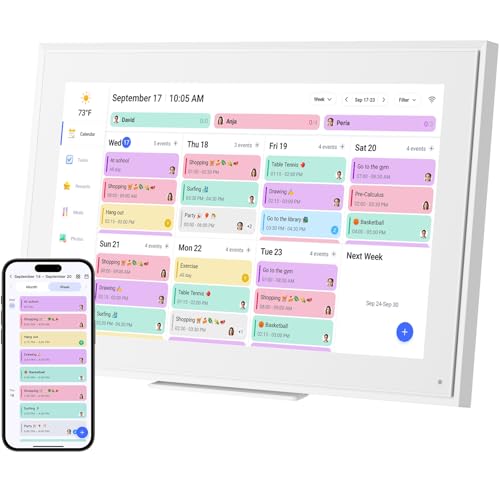
15.6-inch Wall Digital Calendar,Smart WiFi Calendar & Chore Chart,Full HD Touchscreen Interactive Display for Family Schedules-Wall/Desk Mountable Planner,Meeting Reminders & Deadline Tracking
✔️𝐀𝐥𝐥-𝐈𝐧-𝐎𝐧𝐞 𝐒𝐦𝐚𝐫𝐭 𝐅𝐚𝐦𝐢𝐥𝐲 𝐂𝐚𝐥𝐞𝐧𝐝𝐚𝐫: WiFi-connected touch digital calendar combined with a digital planner ,the crystal-clear 15.6" FHD touchscreen…
As an affiliate, we earn on qualifying purchases.
As an affiliate, we earn on qualifying purchases.