The best winter trainers balance warmth, wet-weather protection, grip, and a comfortable fit without feeling like bulky snow boots. My best overall pick is The North Face Clyffe Mid Insulated Waterproof Shoes for shoppers who want a more trainer-like shape with insulation and waterproofing; Columbia Fairbanks is a stronger choice for boot-like coverage, while the Reebok Nano X4 Adventure suits training-focused buyers. The main tradeoff is between weather protection and a lighter, more flexible feel, with barefoot-style options making a different bet on toe space and ground feel. Slip-on designs add convenience but may offer less coverage than taller footwear. Read on for how the eight options differ and which one best fits your winter routine.

Get your wardrobe favorites delivered free with Prime
- Fast, free delivery on millions of items
- Prime Video, Amazon Music and more included
- Member-only deals all year
Key Takeaways
- The North Face Clyffe Mid is the most balanced pick for buyers seeking a trainer-like shoe with both insulation and waterproof construction.
- Columbia Fairbanks leans toward boot-level warmth and coverage, while The North Face ThermoBall Traction Bootie prioritizes insulated comfort over a conventional trainer shape.
- Reebok Nano X4 Adventure is the lineup’s training-oriented choice; it makes more sense for mixed workouts than for buyers seeking maximum cold-weather coverage.
- Mishansha and SAGUARO stand apart for their wide toe boxes and barefoot-style feel, but that fit philosophy is not a substitute for choosing footwear around severe wet or icy conditions.
- XPETI’s slip-on loafer and the ThermoBall Traction Mule V favor easy entry, while their lower-cut designs make them less suited to deep snow than mid-height options.
| The North Face Men’s ThermoBall Traction Bootie |  | Best for Camp and Cabin Wear | Brand: The North Face | Style: ThermoBall Traction Bootie | Fit and closure: Men’s; pull-on | VIEW LATEST PRICE | See Our Full Breakdown |
| The North Face Clyffe Mid Insulated Waterproof Shoes |  | Best for Wet, Varied Winter Routes | Shaft height: Mid-top | Upper: Suede and textile | Waterproofing: DRYVENT membrane | VIEW LATEST PRICE | See Our Full Breakdown |
| Mishansha Winter Barefoot Boots with Faux Fur Lining and Wide Toe Box |  | Best for a Roomy Barefoot Fit | Upper material: Oxford | Water resistance: Water-resistant | Lining: Faux fur | VIEW LATEST PRICE | See Our Full Breakdown |
| SAGUARO Adult Warm Barefoot Winter Boots with Wide Toe Box |  | Best Barefoot Pick for Easy Care | Outer material: Polyurethane (PU) | Shaft height: Ankle | Heel-to-toe drop: Zero-drop | VIEW LATEST PRICE | See Our Full Breakdown |
| XPETI Men’s Waterproof Winter Slip-On Hiking Loafers |  | Best Waterproof Slip-On | Closure: Pull-on | Upper: Synthetic and breathable mesh | Water resistance: Waterproof membrane | VIEW LATEST PRICE | See Our Full Breakdown |
| Reebok Nano X4 Adventure Winter Training Shoes |  | Best for Winter Gym Training | Brand: Reebok | Model: Nano X4 Adventure Winter | Intended use: Cross-training, cardio, weightlifting, climbing, and running | VIEW LATEST PRICE | See Our Full Breakdown |
| Columbia Men’s Fairbanks Omni-Heat Waterproof Winter Boots |  | Best for Cold, Wet Winter Walks | Shaft height: Ankle | Upper material: Cordura textile | Waterproofing: Waterproof, breathable, seam-sealed construction | VIEW LATEST PRICE | See Our Full Breakdown |
| The North Face Men’s ThermoBall Traction Mule V Winter Shoe |  | Best Slip-On Winter Trainer | Upper fabric: 100% recycled PET ripstop | Insulation: 100% recycled polyester ThermoBall | Lining: Oso fleece-lined collar | VIEW LATEST PRICE | See Our Full Breakdown |
| winter trainer | Insulation | Outsole | Lining | Water resistance |
|---|---|---|---|---|
| The North Face Men’s ThermoBal | 100% recycled polyester ThermoBall | Ethylene-vinyl acetate and rubber | — | Non-PFC durable water-repellent finish; suited to light moisture and snow |
| The North Face Clyffe Mid Insu | 100 g synthetic HEATSEEKER | Non-marking Vibram Megagrip rubber | — | — |
| Mishansha Winter Barefoot Boot | — | — | Faux fur | Water-resistant |
| SAGUARO Adult Warm Barefoot Wi | — | Rubber with deep tread | Faux fur | Water-resistant upper with sealed seams |
| XPETI Men’s Waterproof Winter | 200g Thinsulate | Grip Plus traction outsole | Polar fleece | Waterproof membrane |
| Reebok Nano X4 Adventure Winte | — | — | — | — |
| Columbia Men’s Fairbanks Omni- | 200 grams | Omni-Grip multi-terrain rubber | Textile with heat-reflective lining | — |
| The North Face Men’s ThermoBal | 100% recycled polyester ThermoBall | — | Oso fleece-lined collar | — |
More Details on Our Top Picks
The North Face Men’s ThermoBall Traction Bootie
The ThermoBall Traction Bootie is my pick for cold-weather downtime when easy entry and cozy insulation matter more than full waterproof coverage. Its recycled ThermoBall insulation and water-repellent ripstop upper help with warmth and light snow, while the rubber-and-EVA outsole is intended to grip slick walkways and cabin floors. Compared with the XPETI Waterproof Winter Slip-On Hiking Loafers, this bootie is more focused on relaxed camp or cabin use than on wet-weather outings: XPETI adds a waterproof membrane and 200g Thinsulate, while this pair only claims protection from light moisture. The pull-on shape is convenient, but offers no way to adjust the fit, and it is a poor match for prolonged exposure to slush or heavy rain. I would choose it for quick trips outside, not as my main winter walking shoe.
Pros:- Recycled ThermoBall insulation adds warmth for cold-weather wear.
- Water-repellent ripstop upper helps shed light moisture and snow.
- Rubber-and-EVA outsole is designed for grip on slick surfaces.
- Pull-on construction makes it convenient to slip on and off.
Cons:- Water resistance is limited to light moisture and snow, rather than heavy wet conditions.
- The pull-on design has no adjustable closure for fine-tuning fit.
- Its bootie style is better suited to casual camp use than sustained outdoor walking.
Best for: Campers and cabin-goers who want warm, easy-on footwear for short trips across cold, lightly snow-covered ground.
Not ideal for: Commuters and walkers who regularly face deep slush, heavy rain, or need an adjustable, secure fit.
- Brand:The North Face
- Style:ThermoBall Traction Bootie
- Fit and closure:Men’s; pull-on
- Upper:Recycled P.E.T. ripstop polyester
- Insulation:100% recycled polyester ThermoBall
- Water resistance:Non-PFC durable water-repellent finish; suited to light moisture and snow
- Outsole:Ethylene-vinyl acetate and rubber
- Recycled rubber content:Up to 20%
Our verdict“Choose this bootie for warm, convenient cabin and camp wear, but pick the XPETI if waterproof protection for regular winter walks matters more.”
The North Face Clyffe Mid Insulated Waterproof Shoes
The Clyffe Mid is the strongest choice here for buyers who need a winter trainer that can handle wet ground as well as everyday movement. Its DRYVENT waterproof membrane, 100 g HEATSEEKER insulation, and Vibram Megagrip outsole with 3 mm lugs pair weather protection with traction on varied surfaces. The molded-EVA midsole adds cushioning and flexibility, while a rubber toe cap helps guard against knocks. Compared with the ThermoBall Traction Bootie, the Clyffe is better suited to outdoor walks where waterproofing and a more structured sole matter; the bootie is easier for lounging but only repels light moisture. The tradeoff is limited ankle coverage compared with a taller winter boot, and the listed insulation has no temperature rating. I would favor this for mixed conditions, not for buyers seeking a high-cut snow boot.
Pros:- DRYVENT membrane provides waterproof protection for wet conditions.
- 100 g synthetic HEATSEEKER insulation adds warmth without a bulky boot profile.
- Vibram Megagrip outsole with 3 mm lugs is designed for traction on varied surfaces.
- Molded-EVA midsole offers cushioning and flexibility, with a rubber toe cap for added protection.
Cons:- Mid-top shaft offers less ankle coverage than a taller winter boot.
- No temperature rating is provided for the insulation.
- Its more structured outdoor build is less suited to relaxed indoor and cabin wear than the ThermoBall Traction Bootie.
Best for: People who walk on wet sidewalks and varied winter paths and want waterproofing, insulation, and a grippy outsole in a mid-top shoe.
Not ideal for: Buyers needing tall ankle coverage for deep snow or a stated temperature rating for severe cold.
- Shaft height:Mid-top
- Upper:Suede and textile
- Waterproofing:DRYVENT membrane
- Insulation:100 g synthetic HEATSEEKER
- Midsole:Single-density molded EVA
- Outsole:Non-marking Vibram Megagrip rubber
- Lug depth:3 mm
- Toe protection:Rubber toe cap
Our verdict“Pick the Clyffe Mid for waterproof winter walks on mixed terrain, and skip it if you need tall-boot coverage for deep snow.”
Mishansha Winter Barefoot Boots with Faux Fur Lining and Wide Toe Box
The Mishansha Winter Barefoot Boots stand apart for their zero-drop sole and wide toe box, making them a natural fit for shoppers who dislike the narrow feel or raised heel of many winter shoes. A faux-fur lining adds cozy warmth, and the water-resistant Oxford upper can help repel rain and snow during ordinary winter errands. Compared with the SAGUARO Adult Warm Barefoot Winter Boots, Mishansha offers a similar barefoot-oriented fit but has fewer listed construction details: SAGUARO specifies a removable fleece insole and deep tread, giving buyers more information about care and outsole design. Mishansha’s rubber outsole is described as providing traction, though no tread depth or waterproof membrane is stated. The zero-drop shape also changes how the shoe feels underfoot, so it may not suit those accustomed to a raised heel. I’d choose it for toe room, not for demanding wet-weather protection.
Pros:- Wide toe box gives toes room to spread naturally.
- Zero-drop sole suits buyers who prefer a level heel-to-toe profile.
- Faux-fur lining adds warmth for cold-weather use.
- Water-resistant Oxford upper helps repel rain and snow.
Cons:- Water resistance is not described as full waterproofing.
- Zero-drop construction may feel unfamiliar to people who prefer a raised heel.
- The outsole’s tread depth and specific winter-grip features are not provided, unlike SAGUARO’s deep-tread specification.
Best for: Shoppers who prefer a roomy toe box and zero-drop feel for casual winter errands in light rain or snow.
Not ideal for: People who need fully waterproof footwear, a raised heel, or detailed evidence of deep-tread grip for icy routes.
- Upper material:Oxford
- Water resistance:Water-resistant
- Lining:Faux fur
- Sole material:Rubber
- Sole design:Zero-drop
- Toe box:Wide
Our verdict“Choose Mishansha if a roomy, zero-drop fit is your priority for casual winter wear, but look elsewhere for confirmed waterproof protection or specified deep tread.”
SAGUARO Adult Warm Barefoot Winter Boots with Wide Toe Box
The SAGUARO Warm Barefoot Winter Boots suit buyers who want a roomy, flexible winter shoe with practical details for everyday wear. The wide toe box and zero-drop sole echo the barefoot feel of the Mishansha Winter Barefoot Boots, but SAGUARO adds a removable EVA fleece insole that can be taken out for cleaning or drying. Its plush faux-fur lining and water-resistant PU upper address cold and light wet conditions, while the deep-tread rubber outsole is designed for winter-surface grip. Sealed seams are also described as helping block rain and melting snow, but the upper is still not presented as fully waterproof. The ankle-height cut gives more coverage than a low shoe, though it is not a tall boot for deep snow. The zero-drop profile remains a meaningful fit preference, not a universal upgrade.
Pros:- Wide toe box and zero-drop sole support a roomy, flexible barefoot-style fit.
- Removable EVA fleece insole can be taken out for cleaning or drying.
- Faux-fur lining adds warmth for cold-weather wear.
- Deep-tread rubber outsole is designed for grip on winter surfaces.
Cons:- Water-resistant construction is not described as fully waterproof.
- Zero-drop design may not suit buyers who prefer a raised heel.
- Ankle-height coverage is less protective than a taller boot in deep snow.
Best for: Barefoot-shoe fans seeking an ankle-height winter option with a removable insole for everyday errands and easier cleaning.
Not ideal for: Walkers who need fully waterproof footwear for prolonged wet conditions or prefer a raised heel and conventional fit.
- Outer material:Polyurethane (PU)
- Shaft height:Ankle
- Heel-to-toe drop:Zero-drop
- Insole:Removable EVA fleece
- Lining:Faux fur
- Water resistance:Water-resistant upper with sealed seams
- Outsole:Rubber with deep tread
- Shaft circumference:13.86 inches
Our verdict“Choose SAGUARO for a roomy barefoot fit and removable insole in everyday winter conditions, but not for deep snow or sustained wet-weather use.”
XPETI Men’s Waterproof Winter Slip-On Hiking Loafers
The XPETI Waterproof Winter Slip-On Hiking Loafers are the most weather-focused slip-on in this group. A waterproof membrane pairs with a breathable mesh-and-synthetic upper, while the polar-fleece lining and 200g Thinsulate add warmth for cold, wet outings. The Grip Plus outsole and rubber toe cap make this more suited to winter walks than the lounge-oriented ThermoBall Traction Bootie, whose upper is only described as water-repellent for light moisture and snow. A removable high-rebound EVA footbed adds a useful fit and comfort adjustment. Still, pull-on convenience comes with a fixed closure: there is no lacing to fine-tune the fit. Waterproof construction may also feel less ventilated than a non-waterproof shoe. I’d pick XPETI for wet-weather errands and walking, but not for anyone who needs adjustable support.
Pros:- Waterproof membrane is suited to wet conditions.
- 200g Thinsulate and polar-fleece lining add warmth.
- Grip Plus outsole is designed for wet, icy, and slippery surfaces.
- Removable high-rebound EVA footbed allows removal or replacement.
Cons:- Pull-on closure does not allow adjustable lacing.
- Waterproof construction may provide less ventilation than a non-waterproof design.
- Offers less of a relaxed indoor focus than the ThermoBall Traction Bootie.
Best for: People who want an easy-on winter shoe for wet sidewalks and cold-weather walks, with waterproofing and insulation.
Not ideal for: Buyers who need adjustable lacing for a customized fit or prioritize maximum ventilation in milder conditions.
- Closure:Pull-on
- Upper:Synthetic and breathable mesh
- Water resistance:Waterproof membrane
- Insulation:200g Thinsulate
- Lining:Polar fleece
- Outsole:Grip Plus traction outsole
- Toe protection:Rubber toe cap
- Footbed:Removable high-rebound lightweight EVA
Our verdict“Choose XPETI for insulated, waterproof slip-on performance on wet winter walks, provided a fixed pull-on fit works for you.”
Reebok Nano X4 Adventure Winter Training Shoes
The Reebok Nano X4 Adventure is the training-first choice in this group: its brief centers on cross-training, lifting, climbing, cardio, and running rather than cold-weather protection. Its rubber sole and balance of responsive cushioning with support make it a more plausible option for moving between workouts than the Columbia Fairbanks, which is built around insulation and wet-weather coverage. The leather outer adds a sturdier material choice, but the product details do not specify a waterproof membrane, insulation, or winter-rated traction. That makes it a weaker bet for slush or prolonged outdoor cold than the waterproof, insulated Fairbanks. I’d choose the Nano X4 Adventure for indoor training and occasional dry, cold-weather walks, not as a dedicated snow shoe. Fit details are also absent, so buyers should check sizing information before ordering.
Pros:- Designed for several training activities, including lifting, climbing, cardio, and running
- Lightweight, responsive cushioning supports varied movement
- Balances support and stability for cross-training
- Leather outer material paired with a rubber sole
Cons:- No specified insulation or winter-weather protection
- No stated winter traction features for snow or ice
- Fit and sizing guidance is not provided in the product details
Best for: Gym-goers who want one supportive shoe for mixed training and occasional walks in dry winter weather
Not ideal for: People who need dependable insulation, waterproofing, or specified grip for regular snow and slush
- Brand:Reebok
- Model:Nano X4 Adventure Winter
- Intended use:Cross-training, cardio, weightlifting, climbing, and running
- Outer material:Leather
- Inner material:Fabric
- Sole material:Rubber
- Origin:Imported
Our verdict“Choose the Nano X4 Adventure for versatile winter gym sessions, but pick the Columbia Fairbanks for cold, wet outdoor conditions.”
Columbia Men’s Fairbanks Omni-Heat Waterproof Winter Boots
The Columbia Fairbanks is the strongest pick here for everyday winter weather because it combines a waterproof, seam-sealed build with 200 grams of insulation and a heat-reflective lining. Those details address the main limits of the Reebok Nano X4 Adventure, which has no stated insulation or waterproofing. Its ankle-height cut and Omni-Grip rubber outsole suit walks across varied terrain, while TechLite cushioning is designed to soften impact without the boot’s cold-weather focus getting lost. The tradeoff is coverage: this shaft sits lower than a taller winter boot, and the product description frames its protection for moderate rain and snow, not prolonged exposure to severe conditions. Compared with The North Face ThermoBall Traction Mule V, the Fairbanks is a better fit for outdoor walking, but less convenient for quick slip-on wear.
Pros:- Waterproof, breathable, seam-sealed construction
- 200 grams of insulation and a heat-reflective lining add warmth
- Omni-Grip rubber outsole is designed for traction across varied terrain
- TechLite cushioning is designed to absorb impact
Cons:- Ankle-height shaft offers less coverage than taller winter boots
- Described for moderate rain and snow rather than prolonged severe conditions
- Less convenient to slip on than the ThermoBall Traction Mule V
Best for: People who walk outdoors in cold, wet conditions and want insulated, waterproof ankle-height footwear
Not ideal for: Buyers facing deep snow or prolonged severe exposure who need a taller boot shaft and more coverage
- Shaft height:Ankle
- Upper material:Cordura textile
- Waterproofing:Waterproof, breathable, seam-sealed construction
- Insulation:200 grams
- Lining:Textile with heat-reflective lining
- Cushioning:TechLite lightweight impact absorption
- Outsole:Omni-Grip multi-terrain rubber
- Origin:Imported
Our verdict“Pick the Fairbanks for insulated, waterproof winter walks, provided ankle-height coverage is enough for your conditions.”
The North Face Men’s ThermoBall Traction Mule V Winter Shoe
The ThermoBall Traction Mule V favors easy on-and-off warmth over the coverage of a conventional winter shoe. Its recycled ripstop upper, ThermoBall insulation, and fleece-lined collar suit quick trips outside, while the water-repellent finish is intended for light moisture and snow. That makes it more convenient than the lace-up Columbia Fairbanks for stepping out briefly, but not as reassuring for sustained rain or snow: the Fairbanks has waterproof, seam-sealed construction and 200 grams of insulation. The mule’s grippy outsole is designed for slick surfaces, though its product details do not specify a traction technology or ice rating. A collapsible heel and stretchy side panels add convenience, at the cost of the adjustability and secure coverage a lace-up shoe can offer. I’d treat it as a warm casual option, not a substitute for a weatherproof walking boot.
Pros:- ThermoBall insulation adds warmth in a slip-on design
- Fleece-lined collar adds cushioned comfort
- Water-repellent finish helps shed light moisture and snow
- Grippy outsole is designed for slick surfaces
Cons:- Water protection is intended for light moisture, not heavy exposure
- Slip-on construction offers less adjustability than lace-up footwear
- Mule shape provides less coverage than the Columbia Fairbanks boot
Best for: People who want warm, easy-on footwear for brief outdoor errands, camp use, or moving between home and car
Not ideal for: Commuters walking long distances in heavy rain, deep snow, or conditions that call for secure lace-up coverage
- Upper fabric:100% recycled PET ripstop
- Insulation:100% recycled polyester ThermoBall
- Lining:Oso fleece-lined collar
- Water-repellent finish:Non-PFC Durable Water Repellent (DWR)
- Closure:Slip-on with stretchy side panels
- Heel:Collapsible
- Sole material:Ethylene Vinyl Acetate
- Recycled rubber content:Up to 20%
- Origin:Imported
Our verdict“Choose this mule for convenient warmth on short outings, but opt for the Fairbanks when waterproof coverage matters more.”
How We Picked
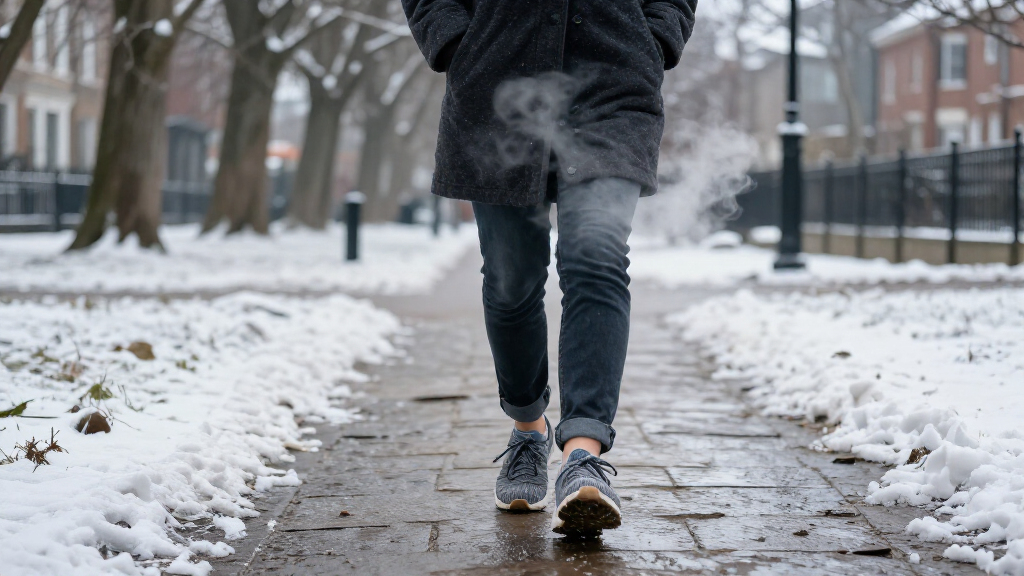
I compared the eight options around the needs that define winter footwear: warmth, weather protection, grip, coverage, fit, and everyday usability. A waterproof build and higher cut can matter more than a soft lining when slush or snow is part of the routine; for dry commutes or indoor-outdoor wear, easier entry and lower bulk may be more useful. I also considered whether each design serves a distinct need, such as training, wide-toe comfort, or casual slip-on use.
The ranking favors versatility for common winter conditions, then gives specialist designs credit when their tradeoffs are clear. That puts the Clyffe Mid first for its combination of insulation, waterproofing, and trainer-like form, with Columbia Fairbanks close for buyers who want more boot-style coverage. The ThermoBall bootie and mule rank as comfort-led options, while the Reebok, XPETI, Mishansha, and SAGUARO appeal to more specific activity, convenience, or fit preferences. No one design is the right choice for every winter climate, and fit and traction needs can change the order for an individual buyer.
| winter trainer | Water resistance | Outsole | Lining |
|---|---|---|---|
| The North Face Men’s ThermoBal | Non-PFC durable water-repellent finish; suited to light moisture and snow | Ethylene-vinyl acetate and rubber | — |
| The North Face Clyffe Mid Insu | — | Non-marking Vibram Megagrip rubber | — |
| Mishansha Winter Barefoot Boot | Water-resistant | — | Faux fur |
| SAGUARO Adult Warm Barefoot Wi | Water-resistant upper with sealed seams | Rubber with deep tread | Faux fur |
| XPETI Men’s Waterproof Winter | Waterproof membrane | Grip Plus traction outsole | Polar fleece |
| Reebok Nano X4 Adventure Winte | — | — | — |
| Columbia Men’s Fairbanks Omni- | — | Omni-Grip multi-terrain rubber | Textile with heat-reflective lining |
| The North Face Men’s ThermoBal | — | — | Oso fleece-lined collar |
Factors to Consider When Choosing Best Winter Trainers
Winter footwear choices are less about finding one shoe that does everything and more about matching protection and fit to your usual conditions. I’d start with the surfaces you walk on, how long you stay outdoors, and whether you need a shoe for exercise or everyday errands.
Match Waterproofing to Your Actual Weather
Waterproof construction is most useful for repeated exposure to slush, wet pavement, and rain, but it is not the same as being suited to deep snow or standing water. A low-cut shoe can keep rain out of the upper yet leave snow free to enter over the collar. For dry cold, insulation and a comfortable lining may matter more than a waterproof membrane. A common mistake is choosing the warmest-sounding option without checking how much coverage it provides. Think about the route you walk and how long you are outside before prioritizing a feature. When conditions vary, a mid-height design can offer a useful compromise between coverage and everyday wearability.
Treat Grip as a Surface-Specific Choice
Winter traction depends on the outsole and the surface, not just a product’s winter label. Wet pavement, packed snow, and smooth ice present different challenges, and no ordinary trainer should be assumed to provide secure footing on every one. Look for outsole details and product information that fit your usual ground conditions rather than relying on appearance alone. If your routes include icy steps or untreated paths, plan for footwear or traction accessories intended for those conditions. Softer, flexible shoes may feel natural but can offer a different balance from a structured winter boot. The right choice is the one that suits your surfaces, not simply the one with the deepest-looking tread.
Choose Height Around Snow Entry and Mobility
A higher collar can help limit snow and cold air from getting into the shoe, especially on longer outdoor walks. Lower-cut mules and slip-ons are easier to put on and take off, but they expose more of the ankle and are less suited to deeper snow. Taller footwear can feel bulkier and may be less convenient for quick errands or indoor use. Consider whether you need ankle coverage or just a warm shoe for cleared paths. Buyers sometimes focus on the outsole while overlooking the gap between the shoe opening and their trousers. Pairing footwear with suitable socks and clothing can affect comfort as much as choosing a taller model.
Check Toe Shape and Sock Room Together
Winter socks take up space, so a fit that feels comfortable with thin socks may become tight when temperatures drop. Tightness can make extended wear less comfortable and can limit the room your toes have to move. Wide-toe and barefoot-style shoes offer a different shape and feel from more structured insulated options, so they suit buyers who already prefer that fit rather than everyone seeking warmth. Check the brand’s sizing guidance and allow for the socks you expect to wear. Do not compensate for a narrow fit by simply buying much longer footwear, since excess length can affect stability. A secure heel with adequate toe room is a better target than a loose all-over fit.
Separate Training Needs from Winter Walking
A shoe designed for workouts may support gym movement better than a soft, insulated slip-on, but it may not offer the coverage needed for snowy commutes. Decide whether you need one pair for both settings or can use separate footwear for outdoor travel and indoor training. Combining needs can save space, though it often means accepting less warmth, less protection, or a less specialized feel. Consider how much time you spend outside before and after a workout, not only what happens in the gym. If winter training takes place indoors, a bulky boot may be inconvenient even if it is comfortable outdoors. Choose around the activity that places the greatest demands on the shoe.
Pay for Protection You Will Actually Use
Extra insulation and waterproofing can be worthwhile for cold, wet commutes, but those features add little value if you mostly walk on dry, cleared paths. A casual mule or slip-on may suit quick trips, while frequent outdoor exposure favors more coverage and weather protection. Before choosing a premium or more technical design, ask which condition it solves that a simpler shoe does not. Also account for care: mud, salt, and wet linings can affect comfort and longevity if footwear is not dried and cleaned as directed. Avoid storing damp shoes in a closed space, and follow the maker’s care instructions rather than applying an unapproved treatment. A well-matched pair is more useful than paying for features that do not fit your routine.
Frequently Asked Questions
Which of these is the safest choice for regular wet, slushy commutes?
I would start with the Clyffe Mid or Columbia Fairbanks, since both are positioned around waterproof protection and more coverage than the lower-cut mule or loafer. The Clyffe Mid is the more trainer-like option, while Fairbanks is the better fit if you want a boot-style feel. Check the product’s fit and care details, and do not assume waterproofing makes a shoe suitable for deep water or every icy surface. If your route includes untreated ice, footwear alone may not provide enough grip. Match the choice to your commute’s snow depth and walking conditions.
Can I use the Reebok Nano X4 Adventure as my only winter shoe?
That depends on how much outdoor weather protection your routine demands. The Reebok is the lineup’s training-focused choice, so it makes the most sense when gym movement matters and outdoor exposure is limited or conditions are mild. For regular slush, deeper snow, or long cold walks, a waterproof, insulated, or higher-cut option may be a better match. A single pair can serve mixed use, but it may compromise either workout feel or winter coverage. Choose it as your only pair only if its protection and fit suit your usual route.
Are barefoot-style winter boots a good choice for cold weather?
The Mishansha and SAGUARO are worth exploring if you prefer a wide toe box and a less structured feel. That shape can suit people who dislike narrow footwear, but it does not automatically provide the warmth or weather protection needed for every winter. Check the listed insulation, sole, and weather details against your climate and planned use. Buyers new to barefoot-style shoes should also think about how the feel differs from conventional structured footwear. If protection from slush is the priority, compare their specifications carefully with the waterproof mid-height options.
Should I choose a ThermoBall bootie or the ThermoBall mule?
Choose based on how much coverage and convenience you need. The bootie is the more suitable of the two when you want a fuller insulated shoe shape; the Mule V favors quick entry and casual wear. A mule’s open-back design is less suited to deep snow or long walks where a secure, covered fit matters. Both are comfort-led alternatives to the waterproof mid-height choices, so neither should be selected on warmth alone if wet-weather protection is your main concern. Check the product details and intended use before deciding between them.
Do I need to size up to wear winter socks with these shoes?
Not automatically: sizing varies by brand, model, and the shape of your foot. Try to judge fit with the socks you expect to wear, since thick socks can reduce toe room even when the shoe feels fine with a thin pair. Wide-toe styles may suit some feet better, but they are not necessarily longer or warmer. Follow each maker’s sizing guidance and pay attention to heel security as well as room at the toes. If you cannot try them on, check the return terms before ordering so you have a way to address a poor fit.
Conclusion
For one versatile winter shoe, I’d choose the North Face Clyffe Mid as best overall because it pairs a trainer-like profile with insulation and waterproof construction. The best value-style pick for everyday convenience is the XPETI slip-on if easy entry matters more than a high collar; it is not my choice for deep snow. For a premium, boot-like option, consider Columbia Fairbanks, while the Clyffe Mid remains my recommendation for buyers who want a more trainer-shaped all-rounder. Beginners looking for one straightforward winter-walking option should start with the Clyffe Mid and compare its fit against Fairbanks. For specific needs, choose Reebok for training, Mishansha or SAGUARO for a wide-toe barefoot-style fit, and the ThermoBall bootie or Mule V for insulated casual wear. The best match depends on whether your winter routine calls for coverage, workout versatility, or quick comfort.